Selecting the most suitable key fob for your vehicle is an important decision that affects convenience, security, and even your wallet. With modern cars relying heavily on electronic access systems, understanding the options and features available can help you avoid costly mistakes. Whether you’ve lost your original remote, need a spare, or want to upgrade, knowing what to look for will ensure you get a compatible and reliable solution.
Before diving into the specifics, it’s helpful to be aware of the licensed locksmith service transparency rules that protect you as a consumer. Working with a reputable locksmith or dealer can make the process smoother and more secure.
Understanding Key Fob Types and Compatibility
The first step in finding the best remote for your car is identifying which type your vehicle uses. There are several varieties, each with unique features and compatibility requirements:
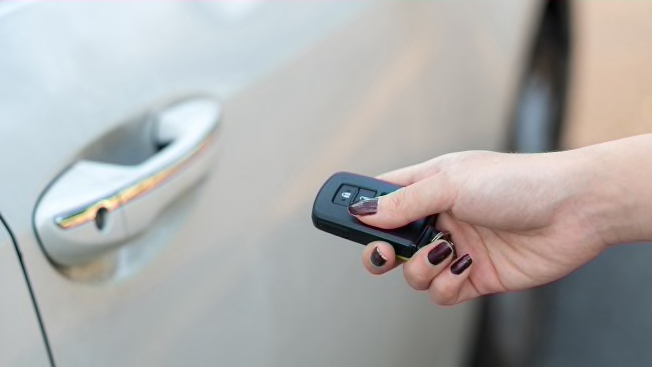
- Traditional Remote Key Fobs: These devices typically offer lock, unlock, and sometimes trunk release functions. They work by sending a coded signal to your car’s receiver.
- Transponder Keys: In addition to remote functions, these include a chip that communicates with your vehicle’s immobilizer system, providing an extra layer of security.
- Smart Keys: Also known as proximity or push-to-start remotes, these allow for keyless entry and ignition. The car detects the fob’s presence, enabling you to unlock and start the vehicle without physically inserting a key.
- Aftermarket Remotes: These are third-party solutions designed to work with certain makes and models. They can be more affordable but may lack some features or require additional programming.
To ensure compatibility, check your vehicle’s manual or consult with a professional. Not all remotes work with every model year or trim, and some advanced features may only be available with original equipment manufacturer (OEM) devices.
Factors to Consider When Selecting a Car Remote
When evaluating your options, consider the following aspects to make an informed decision:
- Vehicle Make, Model, and Year: The most critical factor is ensuring the remote matches your car’s specifications. Even within the same model, different years may use different systems.
- Feature Requirements: Decide which functions you need—basic locking and unlocking, remote start, trunk release, or panic alarm. Some remotes offer advanced features like window control or integration with mobile apps.
- Programming and Pairing: Some remotes can be programmed at home, while others require specialized equipment. Dealerships and locksmiths often have the tools needed for advanced systems, especially for smart keys.
- Security: Higher-end remotes may offer rolling codes or encryption, making them harder to clone. If security is a priority, opt for OEM or certified replacements.
- Cost and Warranty: OEM remotes are generally more expensive but come with a warranty and guaranteed compatibility. Aftermarket options can save money but may not offer the same reliability.
Programming and Pairing Your New Remote
Once you’ve selected a compatible device, the next step is programming it to work with your vehicle. The process varies:
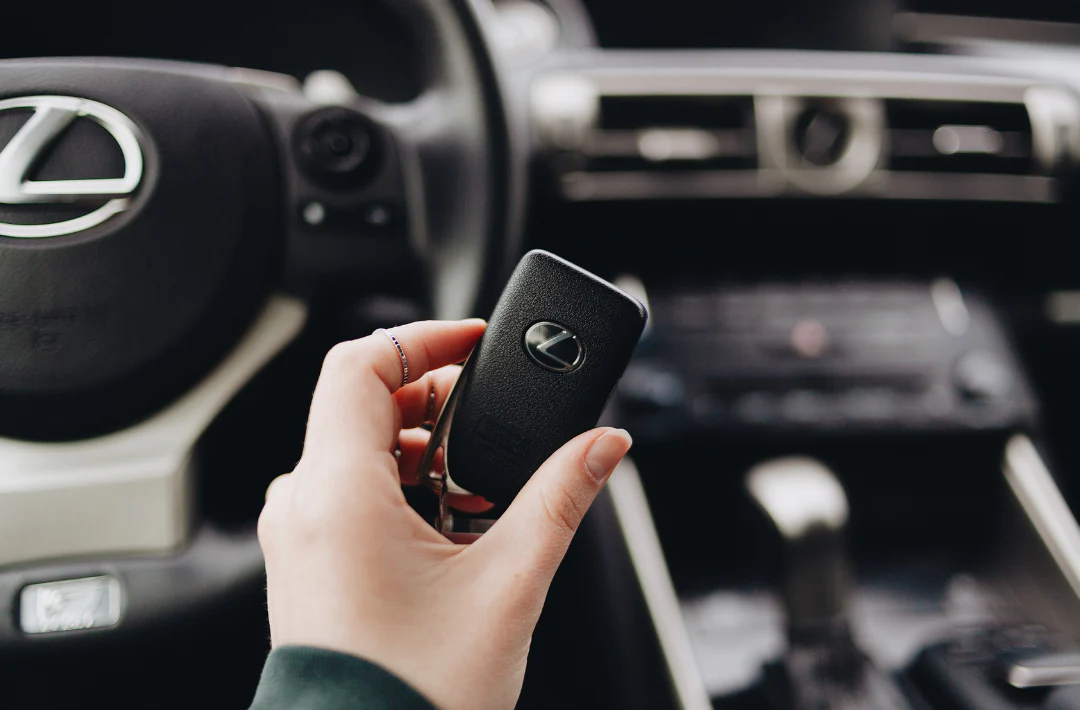
- DIY Programming: Some older models allow you to program a new remote by following a series of steps—such as turning the ignition on and off or pressing certain buttons in sequence. Instructions are often found in the owner’s manual.
- Professional Programming: For most modern vehicles, especially those with smart keys or advanced security, you’ll need specialized equipment. A licensed locksmith or dealership can handle the process quickly and securely.
- Cost Considerations: DIY programming is usually free, while professional services may charge a fee. Always ask for a quote upfront to avoid surprises.
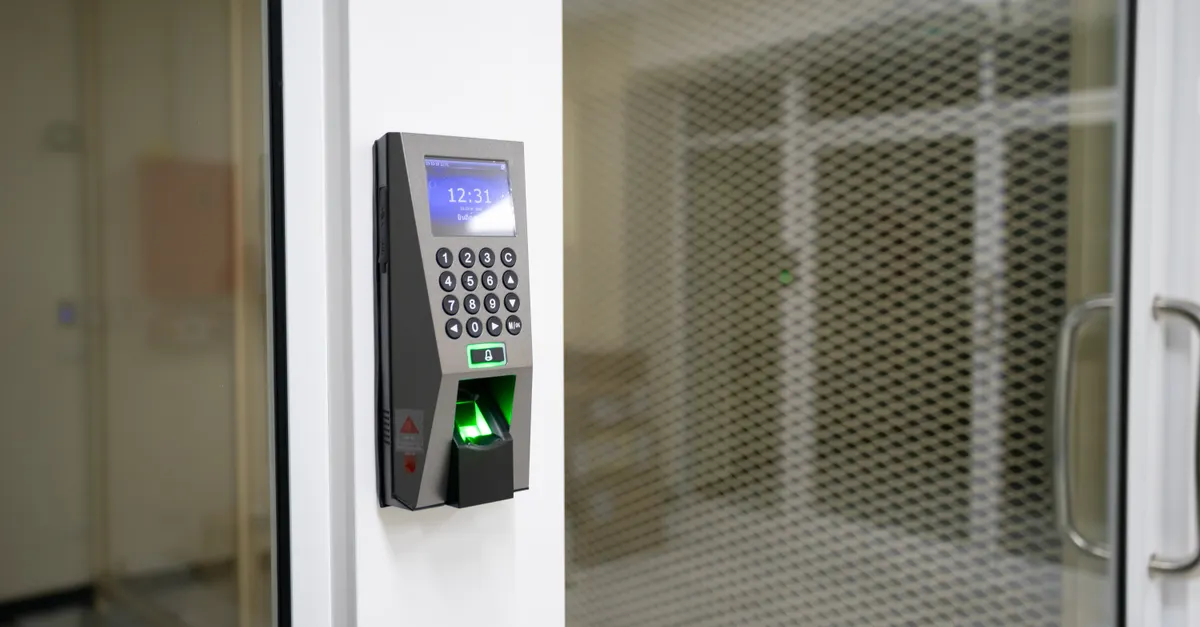
For more details on how access control works with remotes and security systems, you can review this comprehensive overview of key fob access control.
Security and Safety Tips for Remote Car Access
While convenience is a major benefit, electronic remotes can also introduce vulnerabilities if not handled properly. Here are some practical tips:
- Keep Spares Secure: Store backup remotes in a safe location, not in your vehicle.
- Replace Batteries Regularly: Weak batteries can cause intermittent operation or leave you locked out.
- Protect Against Signal Theft: Criminals can use relay attacks to intercept signals from proximity remotes. Consider using a signal-blocking pouch or case when not in use.
- Work with Trusted Professionals: Always choose a reputable locksmith or dealer. For guidance on claims, see the licensed locksmith insurance claim assistance guide.
Common Mistakes to Avoid When Picking a Car Remote
Even with the best intentions, it’s easy to make errors during the selection process. Here are some pitfalls to watch out for:
- Ignoring Compatibility: Always verify that the remote matches your car’s year, make, and model. Even a small difference can render a device useless.
- Overlooking Programming Requirements: Some remotes require dealer-level tools. Don’t assume you can program every device at home.
- Choosing Unverified Sellers: Purchasing from unknown sources may result in counterfeit or non-functional products. Stick to trusted retailers or certified locksmiths.
- Neglecting Security Features: Opt for remotes with modern encryption or rolling codes to minimize the risk of hacking.
FAQ
Can I Use an Aftermarket Remote With My Car?
Many vehicles support aftermarket remotes, but it’s essential to ensure compatibility with your specific make, model, and year. Some features, like remote start or advanced security, may only work with OEM devices. Always check with your manufacturer or a professional locksmith before purchasing.
How Much Does It Cost to Replace a Car Remote?
The price varies depending on the type of remote and programming requirements. Basic remotes can cost as little as $20–$50, while smart keys and advanced systems may range from $100 to $400 or more, including programming fees. OEM options are typically more expensive but offer guaranteed compatibility.
What Should I Do If My Remote Stops Working?
First, try replacing the battery. If that doesn’t resolve the issue, reprogramming may be necessary. If the remote is still unresponsive, consult a professional to check for hardware faults or compatibility issues. For emergencies, contacting a licensed locksmith is recommended.
Is It Safe to Buy a Remote Online?
Buying online can be safe if you choose reputable sellers and verify compatibility. Look for detailed product descriptions, customer reviews, and return policies. Be cautious of deals that seem too good to be true, as counterfeit products are common.
Conclusion
Finding the most suitable remote for your vehicle involves more than just matching a part number. By considering compatibility, features, programming requirements, and security, you can avoid frustration and ensure your car remains both convenient and protected. When in doubt, consult your manual or a trusted locksmith, and always prioritize quality and reliability over price alone.