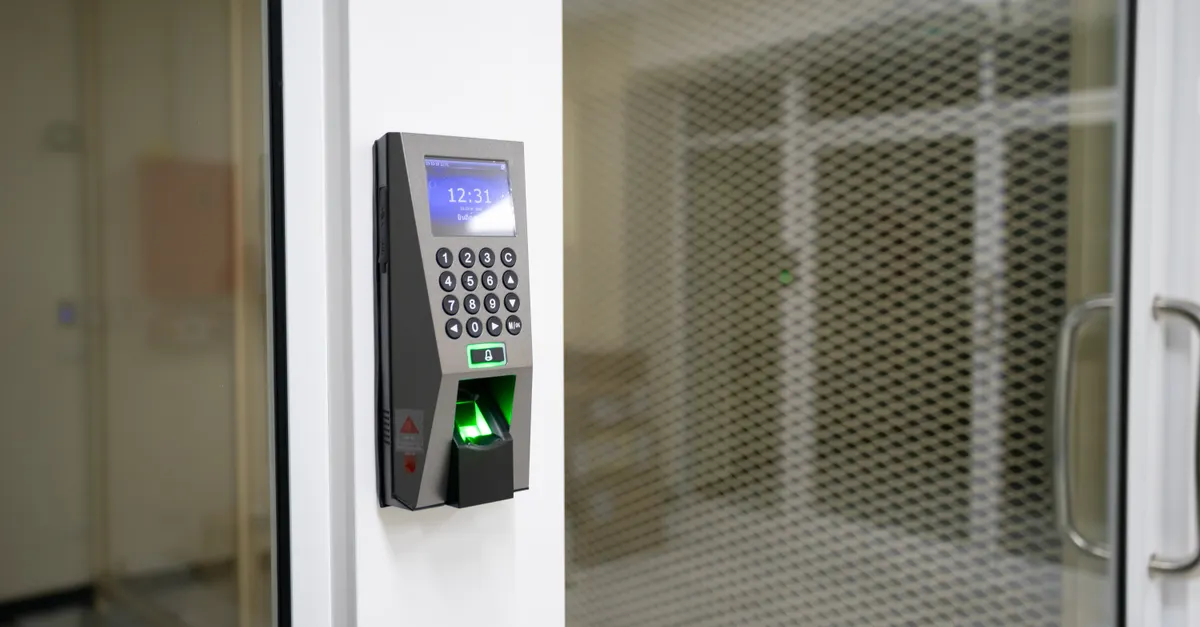
The way we access our vehicles, homes, and workplaces is changing rapidly. Traditional keys are becoming less common as digital and wireless solutions take center stage. The future of keyless entry systems promises more convenience, improved security, and seamless integration with our connected lifestyles. Understanding the direction of these technologies helps consumers and businesses prepare for the next wave of access control innovation.
As these systems evolve, they bring both opportunities and challenges. Enhanced features, such as remote unlocking, biometric authentication, and integration with smart devices, are reshaping expectations for safety and ease of use. At the same time, new risks and considerations—like digital vulnerabilities and the need for reliable backup solutions—are emerging. For those interested in the regulatory and operational side of security, resources like the licensed locksmith service transparency rules provide insight into industry standards.
How Keyless Entry Technology Has Evolved
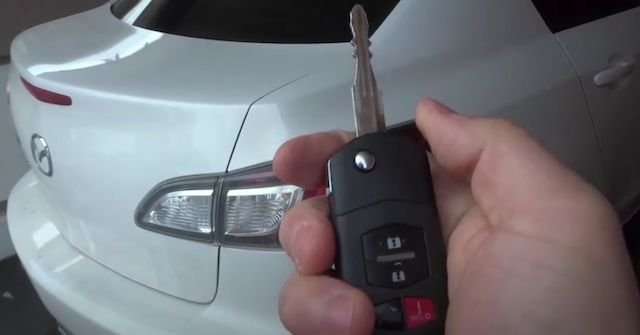
Keyless entry began as a convenience feature in vehicles, allowing drivers to unlock doors with a remote fob. Over time, this technology expanded into homes and commercial buildings, replacing physical keys with PIN codes, RFID cards, and smartphone-based access. The shift from mechanical to electronic systems has paved the way for smarter, more adaptive solutions.
Early systems relied on simple radio signals, but modern versions use encrypted communication and multi-factor authentication. This evolution has been driven by the demand for both greater convenience and stronger security. Today, users expect to unlock doors with a tap on their phone, a fingerprint, or even voice commands.
Emerging Trends in Next-Generation Access Solutions
The future of keyless entry systems is shaped by several key trends. Manufacturers and security experts are focusing on integrating advanced features that go beyond basic locking and unlocking. Some of the most notable developments include:
- Biometric Authentication: Fingerprint, facial, and even iris recognition are becoming standard in high-end systems, offering a personalized and secure way to grant access.
- Mobile Integration: Smartphones are increasingly used as digital keys, allowing users to manage access remotely, share virtual keys, and receive real-time notifications.
- Cloud Connectivity: Cloud-based platforms enable centralized management of multiple entry points, making it easier for businesses and property managers to control access across locations.
- Voice Control and AI: Integration with voice assistants and artificial intelligence allows for hands-free operation and smarter automation, such as unlocking doors when you approach or locking them automatically when you leave.
- Enhanced Encryption: As cyber threats grow, so does the need for robust encryption and tamper-resistant hardware to protect against hacking and unauthorized access.
Security and Privacy in Modern Keyless Entry
As digital access solutions become more widespread, security remains a top concern. While electronic locks and wireless systems reduce certain risks associated with lost or stolen keys, they introduce new vulnerabilities. Hackers may attempt to intercept wireless signals or exploit software flaws. To address these risks, manufacturers are investing in advanced encryption, regular firmware updates, and tamper detection.
Privacy is another important factor. Many smart locks and entry systems collect data on usage patterns and access times. Ensuring that this information is stored securely and used responsibly is crucial for maintaining user trust. For those managing insurance claims or seeking documentation for incidents, guides like the licensed locksmith documentation for insurance can be valuable resources.
Keyless Entry in Vehicles: What’s Next?
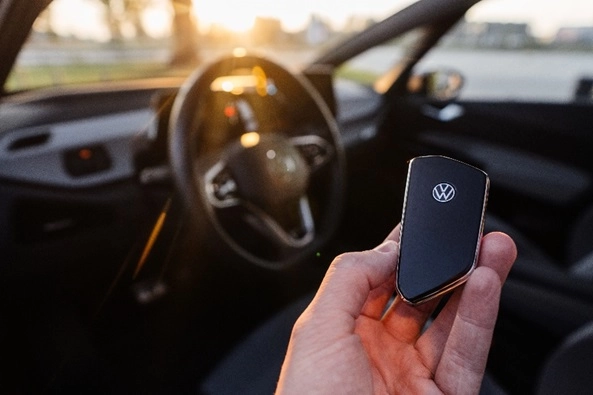
Automotive access technology is advancing rapidly. Modern cars often feature proximity sensors, push-button start, and even smartphone-based unlocking. The future of keyless entry systems in vehicles is likely to include more widespread use of biometrics and digital keys that can be shared or revoked instantly.
For a deeper understanding of how these systems work, including the technology behind key fobs, you can explore this comprehensive explanation of key fobs and their evolution. As vehicles become more connected, the integration of entry systems with infotainment, navigation, and safety features will only increase.
Benefits and Drawbacks of Advanced Entry Systems
The shift to digital and wireless entry brings clear advantages. Users enjoy greater convenience, the ability to grant or revoke access remotely, and integration with other smart devices. Businesses benefit from improved monitoring and the ability to manage multiple locations efficiently.
However, these systems are not without challenges. Power failures, software bugs, and compatibility issues can create headaches. There is also the risk of digital attacks, making it essential to choose reputable brands and keep systems updated. For those considering a career or investment in this field, resources like the licensed locksmith franchise opportunities guide offer insights into the business side of modern security.
Preparing for the Next Generation of Access Control
As the landscape changes, both consumers and businesses should take steps to stay ahead. Here are some practical tips for adapting to new entry technologies:
- Research and choose systems that offer strong encryption and regular security updates.
- Consider backup options, such as mechanical overrides or battery-powered solutions, in case of power or network failures.
- Stay informed about privacy policies and data handling practices for any connected device.
- Work with licensed professionals to ensure proper installation and integration with existing security measures. For emergency planning, the licensed locksmith emergency preparedness guide provides useful strategies.
- Regularly review access permissions and update credentials as needed.
FAQ: Keyless Entry Systems and Their Future
What are the main advantages of switching to digital entry solutions?
Digital entry systems offer enhanced convenience, remote management, and improved security features such as biometric authentication and activity logs. They also allow for flexible access control, making it easy to grant or revoke entry without needing to change physical locks.
Are electronic locks and wireless entry systems secure?
When properly installed and maintained, modern electronic locks are highly secure. They use encryption and advanced authentication methods to prevent unauthorized access. However, it’s important to choose reputable brands, keep software updated, and be aware of potential cyber threats.
What should I do if my keyless entry system fails or is hacked?
Most systems include backup options, such as mechanical keys or emergency power supplies. If you suspect a security breach, change your credentials immediately and contact a professional locksmith. For documentation and insurance purposes, consult resources like the licensed locksmith documentation for insurance.