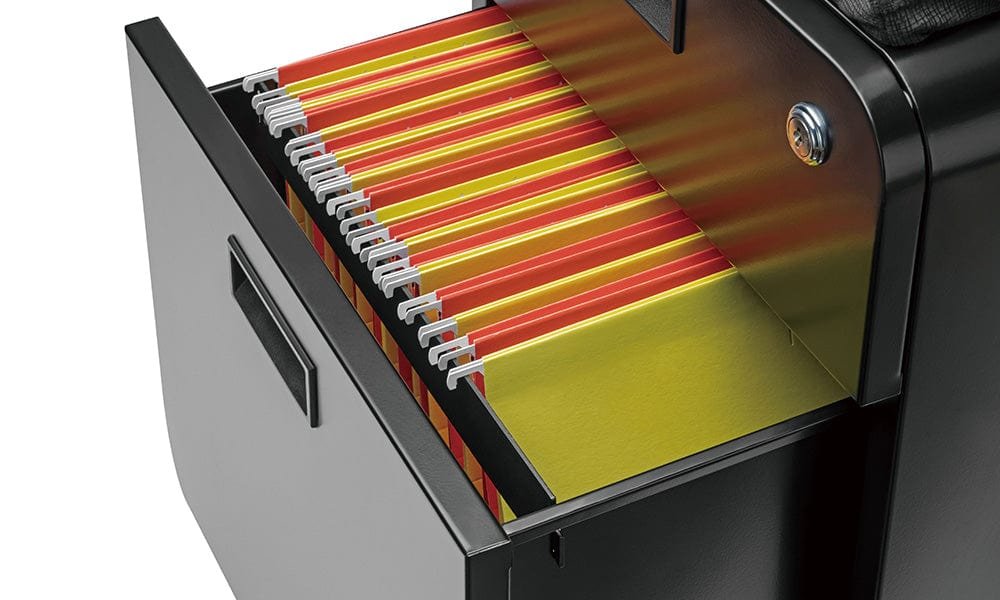
When a file cabinet handle lock breaks, it can disrupt your workflow, compromise security, and make accessing important documents a challenge. Integrated locking systems, which combine the handle and lock mechanism, are common in modern office furniture. Repairing these units requires a careful approach to avoid further damage and restore full functionality. This guide provides practical steps to fix broken file cabinet handle lock issues, covering both quick fixes and more involved repairs for integrated systems.
Before diving into the repair process, it’s important to understand the structure of your cabinet’s locking mechanism. Integrated locks often connect the handle, lock cylinder, and internal rods that secure multiple drawers. If any part of this system fails, the entire locking function can be compromised. Addressing these problems early helps prevent further wear and keeps your files secure.
If you’re dealing with a loose or unstable lock, you may also find it helpful to review wobbly file cabinet lock repair for additional troubleshooting tips.
Common Causes of Handle Lock Failures
Understanding why a file cabinet lock fails is the first step toward an effective repair. Here are the most frequent causes:
- Wear and Tear: Years of use can cause internal components to loosen or break.
- Key Breakage: A snapped key inside the lock can jam the mechanism.
- Misalignment: Repeated force or improper use may shift the handle or lock cylinder out of position.
- Internal Rod Issues: Integrated systems often use rods to lock multiple drawers. If these rods disconnect or bend, the lock may stop working.
- Debris and Dirt: Dust or foreign objects inside the lock can prevent smooth operation.
Diagnosing the Problem with Integrated Locks
Before attempting to fix a broken file cabinet handle lock, it’s essential to diagnose the issue accurately. Follow these steps:
- Test the Key: Insert the key and gently turn. If it doesn’t move or feels loose, note the resistance or lack thereof.
- Inspect the Handle: Check if the handle moves freely or is stuck. Wiggle it gently to feel for looseness or grinding.
- Check Drawer Movement: Try opening and closing the drawers. If they remain locked or don’t latch, the internal rods may be disconnected.
- Look for Visible Damage: Examine the lock face, handle, and surrounding area for cracks, missing screws, or bent metal.
If you’re unable to identify the problem, or if the lock is stuck in a closed position, consider reading about the file cabinet lock stuck shut scenario for further guidance.

Step-by-Step Guide to Repairing Handle Locks
Once you’ve identified the issue, you can move on to the repair process. Here’s a structured approach to restoring your cabinet’s locking function:
1. Gather Necessary Tools and Supplies
- Flathead and Phillips screwdrivers
- Replacement lock or handle (if needed)
- Needle-nose pliers
- Lubricant spray (such as graphite or silicone)
- Small flashlight
- Vacuum or compressed air (for cleaning debris)
2. Remove the Broken Handle or Lock
Most integrated systems are secured with screws accessible from the inside of the top drawer. Carefully remove the drawer to expose the locking mechanism. Unscrew the handle and lock assembly, keeping track of all hardware. If the lock is stuck, refer to the safe way to drill file cabinet lock for tips on minimizing damage during forced entry.
3. Inspect and Clean the Mechanism
With the lock and handle removed, inspect all components for wear, bending, or breakage. Clean out any dust or debris using compressed air or a vacuum. Apply a small amount of lubricant to moving parts to ensure smooth operation.
4. Repair or Replace Damaged Parts
- If the handle is cracked or bent, replace it with a compatible part.
- For damaged lock cylinders, install a new lock following the manufacturer’s instructions. You can find a detailed installation guide in this step-by-step filing cabinet lock installation tutorial.
- If internal rods are disconnected, realign and reattach them to the lock and handle assembly.
5. Reassemble and Test
Once repairs are complete, reattach the handle and lock to the cabinet. Secure all screws tightly but avoid over-tightening, which can strip threads or crack plastic parts. Test the lock with the key and ensure all drawers open and close smoothly. If the latch mechanism isn’t catching, see advice for a file cabinet lock stuck open.
Tips for Preventing Future Lock Problems
After you fix a broken file cabinet handle lock, regular maintenance can help avoid repeat issues. Here are some preventative tips:
- Lubricate the lock cylinder and handle mechanism every six months.
- Clean out dust and debris from drawers and lock areas regularly.
- Use the correct key and avoid forcing the lock if it resists turning.
- Check for loose screws or hardware and tighten as needed.
- Train staff or users on proper operation to reduce accidental damage.
For persistent issues with loose locks, you might benefit from the advice in file cabinet lock loose fix for fast tightening solutions.
When to Call a Professional Locksmith
While many handle lock repairs can be managed with basic tools, some situations require expert help. If you encounter any of the following, consider contacting a locksmith:
- The lock is severely damaged or jammed beyond repair.
- You’ve lost the key and cannot open the cabinet.
- Replacement parts are unavailable or do not fit your cabinet model.
- Security is a top priority and you want to ensure a professional-grade repair.
Professional locksmiths have specialized tools and experience to address complex integrated lock systems efficiently and securely.
Frequently Asked Questions
Can I repair an integrated file cabinet lock myself?
Yes, many issues with integrated locks can be addressed with basic hand tools and patience. However, if the lock is severely damaged or you’re unsure about the internal mechanism, professional assistance is recommended to avoid further complications.
What should I do if the key breaks off inside the lock?
First, try to remove the broken key piece using needle-nose pliers or a key extractor tool. Avoid using excessive force, as this can damage the cylinder. If you cannot remove the fragment, a locksmith can extract it and provide a replacement key or lock.
How can I tell if the internal rods are disconnected?
If turning the key or handle does not lock or unlock the drawers, or if the drawers remain unsecured regardless of the lock’s position, the internal rods may be disconnected or misaligned. Opening the cabinet and inspecting the mechanism will confirm the issue.
Is it possible to upgrade to a more secure lock?
Yes, many file cabinets allow for lock upgrades. You can install a higher-security cylinder or electronic lock, provided the cabinet’s design supports it. Refer to the manufacturer’s guidelines or consult a locksmith for compatible options.
How often should I maintain my file cabinet lock?
Routine maintenance every six to twelve months is ideal. This includes lubricating the lock, tightening screws, and cleaning out debris to ensure smooth operation and longevity.