Losing or damaging your keys can be stressful, but a professional locksmith can help you regain access quickly and securely. However, to ensure a smooth and legal process, there is specific information you’ll need to provide. Understanding what info locksmith needs to replace key can save you time and prevent unnecessary complications. This article outlines the essential details you should have ready, the reasons behind these requirements, and practical tips to make the process as efficient as possible.
Whether you need a replacement for a car, home, or office key, locksmiths follow strict protocols to verify ownership and match the correct key type. This not only protects your property but also helps locksmiths comply with industry regulations. For more on transparency in locksmith services, you can review the licensed locksmith service transparency rules.
Key Details Locksmiths Require for Replacement
When requesting a new key, locksmiths need to confirm that you are authorized to receive it. This involves gathering several pieces of information, which may vary depending on the type of key and the security level involved. Below are the most common requirements:
- Proof of Ownership: Documentation that clearly shows you own or have legal access to the property or vehicle. For cars, this could be a registration or insurance card. For homes or businesses, a lease agreement, utility bill, or deed may suffice.
- Valid Identification: A government-issued photo ID such as a driver’s license or passport. This helps the locksmith verify your identity and match it to the ownership documents.
- Key Type and Details: Information about the specific key you need replaced. For vehicles, this includes the make, model, year, and sometimes the Vehicle Identification Number (VIN). For residential or commercial keys, knowing the lock brand and model can be helpful.
- Location of Service: The address where the locksmith will perform the replacement. This is especially important for emergency or on-site services.
Understanding the Importance of Documentation
Locksmiths are required by law and industry best practices to verify that they are not providing access to unauthorized individuals. This protects both the property owner and the locksmith from legal issues. In many cases, locksmiths will also keep records of the service for future reference or insurance purposes.
If you are filing an insurance claim for lost or stolen keys, you may need to provide additional paperwork. For guidance on this process, the licensed locksmith insurance claim assistance guide offers step-by-step instructions.
Vehicle Key Replacement: What You’ll Need
Replacing a car key often requires more detailed information due to the complexity of modern vehicle security systems. Here’s what you should have ready:
- Vehicle Identification Number (VIN): Usually found on the dashboard, driver’s side door, or your insurance documents.
- Car Make, Model, and Year: This helps the locksmith determine the correct key blank and programming procedure.
- Proof of Vehicle Ownership: Registration, title, or insurance card with your name and the vehicle’s details.
- Photo ID: To confirm your identity matches the ownership documents.
- Existing Key (if available): Even a damaged or partial key can help speed up the replacement process.
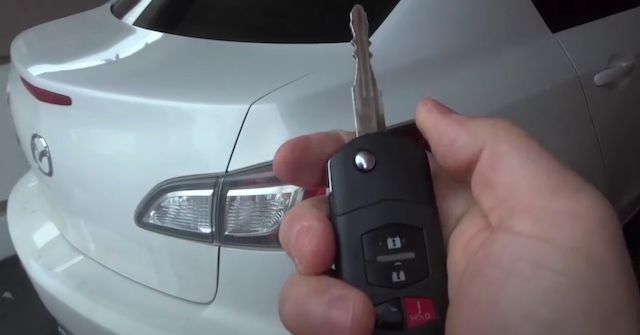
Many modern vehicles use electronic key fobs or transponder keys, which require specialized programming equipment. For more details on how these devices work, see this comprehensive explanation of key fobs.
Residential and Commercial Key Replacement Essentials
For homes and businesses, the process is similar but may involve different types of locks and keys. Here’s what you should prepare:
- Proof of Address: A utility bill, lease agreement, or deed with your name and the property address.
- Photo Identification: To confirm your identity.
- Lock Information: The brand and model of the lock, or a clear photo of the lock if you are unsure. This helps the locksmith bring the right tools and key blanks.
- Permission Documentation (if applicable): For rental properties or businesses, written permission from the property owner or manager may be required.
If you need documentation for insurance purposes after a lockout or key replacement, the licensed locksmith documentation for insurance resource provides helpful templates and checklists.
Why Locksmiths Need This Information
The primary reason locksmiths request these details is to prevent unauthorized access and fraud. By verifying your identity and ownership, locksmiths protect you and themselves from potential legal issues. It also ensures that only legitimate key holders can obtain replacements, reducing the risk of theft or break-ins.
Additionally, having the correct information ready helps locksmiths work more efficiently. They can bring the right tools, key blanks, and programming devices, minimizing delays and ensuring a successful outcome.
Tips for a Smooth Key Replacement Experience
- Gather Documents Ahead of Time: Before calling a locksmith, collect all necessary paperwork and identification. This speeds up the process and avoids delays.
- Provide Accurate Information: Double-check details like your address, vehicle information, and lock type to ensure the locksmith brings the correct equipment.
- Ask About Additional Requirements: Some situations, such as replacing high-security or restricted keys, may require extra steps or permissions. Clarify these with your locksmith in advance.
- Choose a Licensed Professional: Working with a reputable, licensed locksmith ensures compliance with local laws and industry standards. For more on preparedness, see the licensed locksmith emergency preparedness guide.
FAQ
Can a Locksmith Replace a Key Without Proof of Ownership?
No, reputable locksmiths will not replace a key without verifying your identity and ownership. This policy protects property owners and helps prevent unauthorized access.
What If I Don’t Have My Vehicle Registration or Title?
If you’ve lost your registration or title, contact your local DMV for a replacement. Some locksmiths may accept insurance cards or other documents that prove ownership, but requirements vary by location and locksmith.
How Long Does It Take to Replace a Key?
The time required depends on the key type and the information you provide. Simple residential keys may be replaced in minutes, while car keys with electronic components can take longer due to programming needs. Having all necessary documents ready will speed up the process.
Are There Extra Steps for High-Security or Restricted Keys?
Yes, high-security or restricted keys often require additional verification or authorization from the property owner or manufacturer. Your locksmith will inform you of any extra steps needed.
Conclusion
Being prepared with the right documentation and details is essential when requesting a key replacement. By understanding what info locksmith needs to replace key, you help ensure a secure, efficient, and hassle-free experience. Always work with a licensed professional and have your paperwork ready to make the process as smooth as possible.