Keeping extra car remotes secure and accessible is a practical concern for many vehicle owners. Whether you have a backup for emergencies or simply want peace of mind, storing spare key fobs the right way helps prevent loss, theft, and accidental damage. With the rise in electronic vehicle keys, it’s more important than ever to consider not just where you keep them, but how you protect their signal and physical integrity.
This article explores the best practices for safeguarding your backup remotes, from choosing the right storage location to understanding the risks of signal theft. You’ll also find practical tips for organizing, protecting, and retrieving your extra keys when needed. For those interested in the broader context of security and locksmith services, the licensed locksmith service transparency rules provide valuable insights into professional standards and consumer protection.

Why Secure Storage for Backup Remotes Matters
Extra car remotes are valuable, both in terms of convenience and security. If a backup is lost or stolen, it can lead to unauthorized access to your vehicle. Additionally, modern remotes contain sensitive electronics that can be damaged by heat, moisture, or impact. Proper storage helps you avoid costly replacements and reduces the risk of someone exploiting your spare key.
- Prevents theft: Unsecured remotes can be easy targets for burglars.
- Reduces loss: Designated storage makes it less likely you’ll misplace your backup.
- Protects electronics: Safe environments extend the life of your remote’s battery and circuitry.
- Supports insurance claims: Knowing where your spares are can help if you ever need to file a claim.
Best Places to Keep Extra Car Remotes
When considering storing spare key fobs, location is everything. The goal is to balance accessibility with security. Here are some recommended options:
- At home in a secure spot: A locked drawer, safe, or cabinet is ideal. Avoid obvious places like a bowl near the front door or a kitchen counter.
- With a trusted person: If you travel frequently or have multiple drivers, leaving a backup with a family member or close friend can be helpful.
- In a lockbox: For those who need to access their spare outside the home, a portable lockbox (secured to your property) adds a layer of protection.
- Never inside the vehicle: Leaving a backup remote in your car, even if hidden, exposes you to theft and defeats the purpose of having a spare.
Protecting Against Signal Theft and Electronic Risks
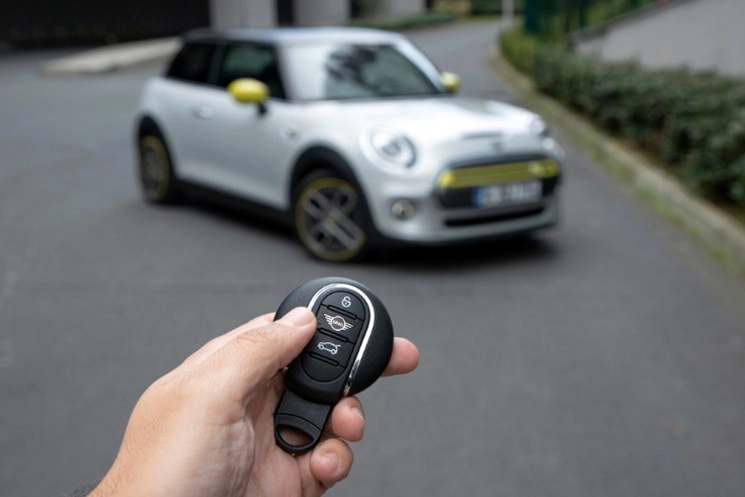
Modern remotes use radio frequency identification (RFID) and other wireless technologies. Criminals can exploit these signals using relay attacks, capturing and transmitting the code to unlock your car. To guard against this, consider these strategies:
- Use a Faraday pouch or box: These containers block electromagnetic signals, preventing unauthorized scanning of your remote.
- Avoid exposure to moisture and heat: Store your backup in a dry, cool place to prevent corrosion and battery drain.
- Remove the battery for long-term storage: If you won’t use the spare for months, take out the battery to avoid leaks and preserve power.
For a deeper understanding of how different types of car keys work and their vulnerabilities, you can review this guide to car key types and their functions.
Organizing and Labeling Your Backup Remotes
Organization is key to making sure you can find your backup quickly when needed. Here are some practical tips:
- Label your remotes: Use a tag or sticker to indicate which vehicle each remote belongs to, especially if you have multiple cars.
- Keep a record: Maintain a list (digital or paper) of where each spare is stored, along with any codes or serial numbers.
- Check periodically: Test your backup every few months to ensure it still works and the battery is charged.

What to Do If You Lose Your Backup Remote
Even with the best precautions, it’s possible to misplace or lose a spare. If this happens:
- Act quickly: If you suspect theft, contact your vehicle manufacturer or dealership to deactivate the lost remote.
- Reprogram your locks: Many modern vehicles allow you to reprogram remotes, rendering lost ones useless.
- Consult a professional: Reach out to a locksmith for help with rekeying or replacing your remote. For guidance on insurance and documentation, see the licensed locksmith documentation for insurance page.
Additional Tips for Safe Spare Key Storage
Beyond the basics, a few extra steps can further protect your investment:
- Don’t advertise spares: Avoid discussing where you keep your backups with people you don’t trust.
- Consider insurance: Some policies cover lost or stolen remotes; check your coverage for details.
- Prepare for emergencies: Store the contact information of a reliable locksmith in your phone or wallet.
FAQ: Common Questions About Spare Key Fob Storage
Can I Keep My Backup Remote in My Car?
It’s strongly discouraged to leave a spare remote inside your vehicle. Even if hidden, it increases the risk of theft and may void your insurance coverage in case of a break-in.
How Often Should I Test My Spare Remote?
Check your backup every three to six months. This ensures the battery is still working and the remote hasn’t been damaged by environmental factors.
What’s the Best Way to Prevent Signal Theft?
Use a Faraday pouch or box to block electromagnetic signals. This prevents criminals from intercepting your remote’s code and gaining access to your vehicle.
Should I Remove the Battery from My Spare?
If you don’t plan to use the backup for an extended period, removing the battery can help prevent leaks and prolong the life of the remote.
Where Should I Store My Spare for Quick Access?
A locked drawer or safe at home is usually best. If multiple people need access, consider a secure lockbox or entrusting the spare to a reliable family member.
By following these guidelines, you can ensure that your backup car remotes are always ready when you need them—without compromising your vehicle’s security. For more on emergency preparedness, the licensed locksmith emergency preparedness guide offers further advice on staying safe and prepared.