
Trust is essential when hiring a locksmith. Whether you’re locked out, upgrading your security, or seeking advice on high-security installations, knowing what to expect from a professional is crucial. Licensed locksmith service transparency rules are designed to protect consumers and ensure that every transaction is fair, clear, and compliant with legal standards. Understanding these guidelines helps you make informed decisions and avoid potential pitfalls when choosing a locksmith.
From upfront pricing to clear identification, transparency requirements set the foundation for ethical business practices in the locksmith industry. These rules not only safeguard your property but also help distinguish legitimate professionals from unlicensed or unscrupulous operators. For those interested in how locksmiths handle emergencies, the licensed locksmith emergency preparedness guide offers additional insights into preparedness and response.
Why Transparency Matters in Locksmith Services
Transparency is more than just a buzzword in the security industry. It’s a set of practices that ensures clients know exactly what they’re getting, how much it will cost, and who is performing the work. When locksmiths operate transparently, they build trust and foster long-term relationships with their clients.
Without clear rules and open communication, customers can fall victim to hidden fees, bait-and-switch pricing, or even scams. By adhering to service transparency guidelines, licensed professionals demonstrate their commitment to ethical standards and consumer protection.
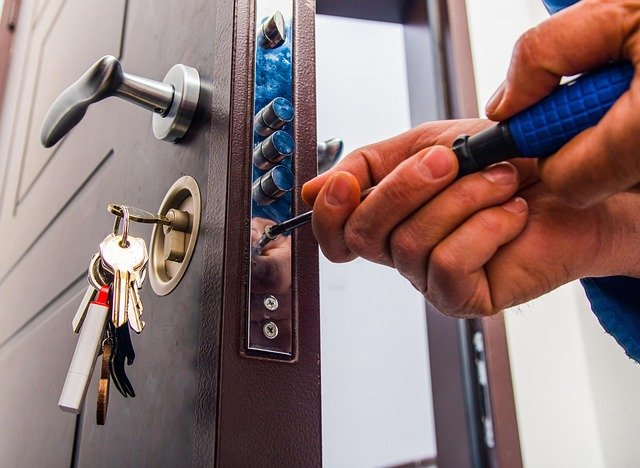
Key Elements of Locksmith Transparency Regulations
Several core principles define transparency in the locksmith industry. These elements are often mandated by state or local regulations and are considered best practices for all reputable professionals.
- Clear Pricing: Before any work begins, locksmiths must provide a detailed estimate, including labor, parts, service fees, and any potential surcharges. This prevents unpleasant surprises when the bill arrives.
- Proper Identification: Technicians should always present valid identification and proof of licensing upon arrival. This allows clients to verify the legitimacy of the service provider.
- Written Invoices: After completing the job, a written invoice should outline all charges and services rendered. This documentation is essential for transparency and for any future insurance claims.
- Disclosure of Credentials: Licensed locksmiths are required to display their license number on vehicles, advertisements, and business cards, making it easy for customers to confirm their qualifications.
- Consent for Additional Work: If unexpected issues arise, professionals must seek approval from the client before proceeding with extra services or charges.
How Licensed Professionals Uphold Service Clarity
Legitimate locksmiths follow strict protocols to ensure every client interaction is transparent. This includes not only providing upfront quotes but also explaining the work process, answering questions, and offering guidance on security upgrades. For example, when installing advanced locks, professionals might reference resources like the licensed locksmith high security cylinder installation guide to help clients understand their options.
Many states have detailed requirements for locksmith licensing and conduct. For a comprehensive overview, the complete 2024 guide to locksmith licensing requirements by state offers up-to-date information on regional differences and compliance standards.

Common Transparency Pitfalls and How to Avoid Them
While most licensed professionals adhere to transparency rules, some pitfalls can still occur. Recognizing these issues helps consumers stay vigilant and ensures a smooth service experience.
- Hidden Fees: Some companies may advertise low rates but add unexpected charges for mileage, emergency hours, or specialized equipment. Always request a full breakdown of costs before agreeing to service.
- Unclear Identification: If a technician arrives without proper ID or license information, do not allow them to begin work. Verifying credentials is a fundamental part of transparency.
- Lack of Written Documentation: Insist on a written invoice and keep all paperwork for your records, especially if you may need to file an insurance claim. For more on this, see the licensed locksmith documentation for insurance resource.
- Ambiguous Service Descriptions: Ensure that the locksmith clearly explains the work to be performed and answers any questions you have about the process or products used.
Benefits of Choosing Transparent, Licensed Locksmiths
Working with professionals who follow locksmith service transparency rules offers several advantages:
- Peace of Mind: Knowing that you’re dealing with a licensed, transparent provider reduces stress and uncertainty during urgent situations.
- Accurate Cost Estimates: Transparent pricing ensures you can budget appropriately and avoid financial surprises.
- Legal Protection: Proper documentation and compliance with regulations protect you in case of disputes or insurance claims.
- Higher Quality Service: Licensed professionals are held to higher standards, resulting in better workmanship and customer care.
Staying Informed: Resources for Consumers
Staying up to date with the latest transparency standards and best practices is important for both consumers and professionals. Many reputable locksmiths provide educational materials and guides to help clients understand their rights and responsibilities. For those considering expanding their involvement in the industry, the licensed locksmith franchise opportunities guide offers insights into business options and compliance.
Additionally, if you ever need to make an insurance claim after a locksmith service, the licensed locksmith insurance claim assistance guide can help you navigate the process with confidence.
FAQ: Locksmith Service Transparency and Consumer Rights
What should I expect from a licensed locksmith in terms of transparency?
You should receive a clear estimate before work begins, see proof of licensing and identification, and get a detailed invoice after the job. All costs and procedures should be explained upfront, and no additional work should be performed without your consent.
How can I verify that a locksmith is properly licensed and following transparency rules?
Ask to see the technician’s license and identification upon arrival. Check that their license number is displayed on their vehicle or business card. You can also verify their credentials with your state’s licensing board or through reputable online resources.
What should I do if I suspect a locksmith is not being transparent?
If you notice hidden fees, lack of identification, or refusal to provide written documentation, do not proceed with the service. Report suspicious activity to local authorities or consumer protection agencies to help prevent scams and protect others.