Upgrading your property’s security is a smart investment, but it’s essential to work with a licensed locksmith to ensure the job is done right. Whether you own a home, manage a business, or oversee rental properties, modern threats require more than just traditional locks. Today’s security solutions integrate advanced hardware, electronic access, and compliance measures that demand professional expertise. This guide explores how certified locksmiths can help you enhance your security systems, what to expect during the upgrade process, and how to choose the right provider for your needs.
If you’re also interested in specialized services for commercial properties, consider reading about licensed locksmith commercial door hardware services for additional insights.
Why Choose a Licensed Locksmith for Security Upgrades?
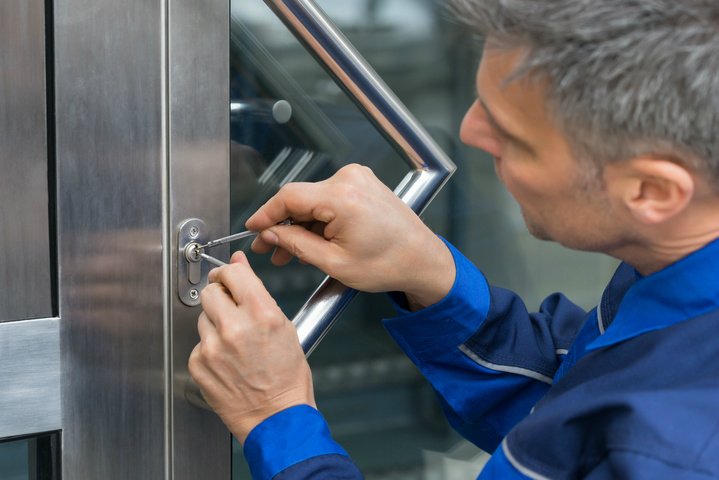
When it comes to security system upgrades, working with a licensed professional offers several advantages. Licensed locksmiths are trained, insured, and regulated, which means they adhere to industry standards and local laws. This ensures your new systems are installed correctly and safely, reducing the risk of vulnerabilities or compliance issues.
- Expertise: Licensed locksmiths have up-to-date knowledge of the latest security technologies and installation techniques.
- Accountability: They are bound by local regulations, providing peace of mind and recourse if issues arise.
- Insurance: Licensed professionals carry liability coverage, protecting you from damages or accidents during installation.
- Compliance: They ensure your upgrades meet building codes and insurance requirements.
For a deeper understanding of what to look for in a trusted provider, you can refer to this comprehensive overview of locksmith certification and licensing.
Types of Security System Upgrades Available
Security needs vary by property type and risk level. Licensed locksmiths offer a range of upgrade options, from mechanical solutions to advanced electronic systems. Here are some of the most common enhancements:
- High-Security Locks: Upgrade to bump-proof, pick-resistant, or drill-resistant locks for added protection.
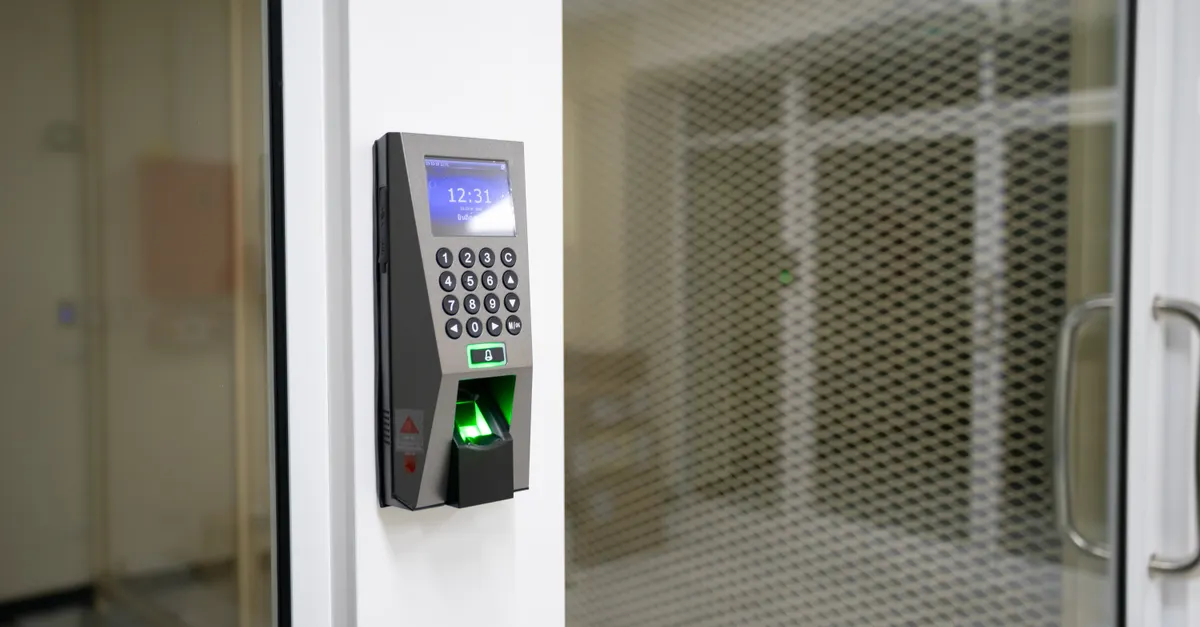
- Electronic Access Control: Install keypads, card readers, or biometric systems for controlled entry and audit trails.
- Smart Locks: Integrate locks with mobile apps for remote access, monitoring, and temporary digital keys.
- Master Key Systems: Streamline access for multiple users while maintaining strict control over who enters each area.
- Door Hardware Upgrades: Reinforce doors with commercial-grade hinges, strike plates, and panic bars.
- Security Cameras: Add surveillance to monitor entry points and deter unauthorized activity.
- Alarm Integration: Connect locks and sensors to alarm systems for real-time alerts and response.
How the Upgrade Process Works with a Certified Locksmith
A professional locksmith follows a structured process to ensure your property receives the right security enhancements. Here’s what you can typically expect:
- Assessment: The locksmith evaluates your current security setup, identifies vulnerabilities, and discusses your concerns.
- Recommendation: Based on the assessment, they suggest tailored solutions that fit your budget and risk profile.
- Quotation: You receive a detailed estimate outlining the scope of work, costs, and timeline.
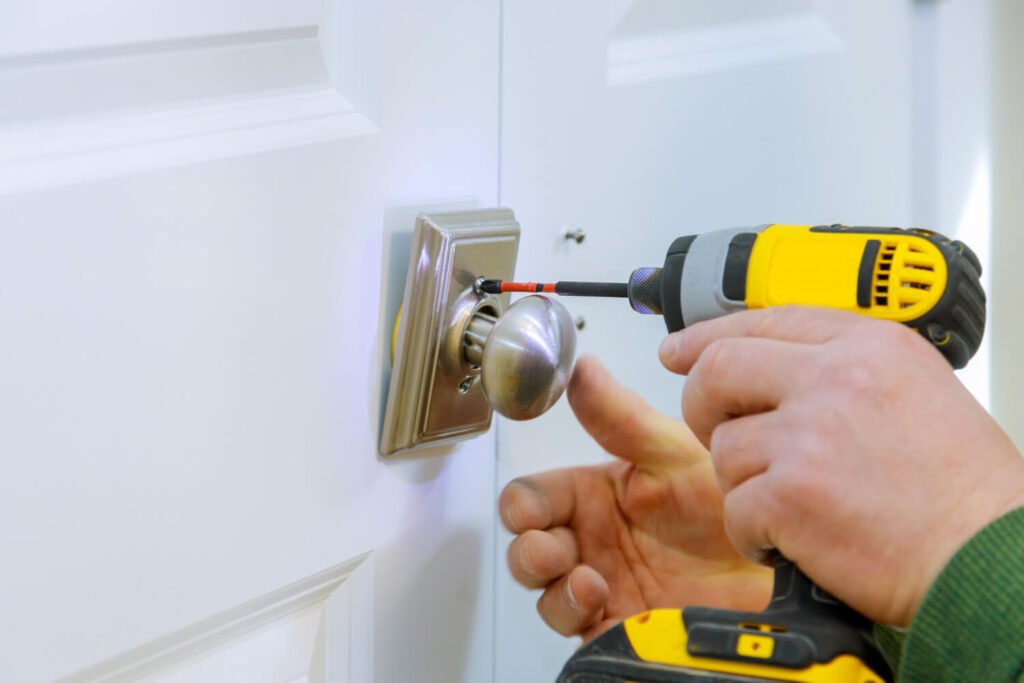
- Installation: The locksmith installs new hardware or systems, ensuring everything meets manufacturer and regulatory standards.
- Testing & Handover: All upgrades are tested for proper function, and you receive instructions on operation and maintenance.
- Documentation: You are provided with invoices and compliance records, which are important for insurance and warranty purposes.
If you’re managing rental units, you may also want to explore the licensed locksmith for rental properties guide for tailored advice.
Compliance, Liability, and Documentation in Security Upgrades
Upgrading your security system isn’t just about better locks; it’s also about meeting legal and insurance requirements. Licensed locksmiths provide documentation that proves your property complies with local codes and industry standards. This is crucial for liability protection and can be a requirement for insurance claims.
- Compliance Checklists: Ensure all installations meet fire safety, accessibility, and building regulations. For a detailed overview, review the licensed locksmith compliance checklist.
- Liability Coverage: Confirm your locksmith carries adequate insurance. More information is available in the licensed locksmith liability coverage resource.
- Invoice Standards: Proper documentation helps with warranty claims and future service. See the licensed locksmith invoice standards for what to expect.
Choosing the Right Locksmith for Your Security Needs
Not all locksmiths offer the same level of service or expertise. When selecting a provider for your security system improvements, consider the following tips:
- Verify Credentials: Ask for proof of licensing and insurance before work begins.
- Check Reviews: Look for positive feedback from previous clients, especially for similar projects.
- Request References: A reputable locksmith should be able to provide references upon request.
- Understand the Warranty: Ensure there is a clear warranty on parts and labor.
- Compare Quotes: Obtain detailed estimates from multiple providers to ensure fair pricing and scope.
Taking these steps helps you avoid unqualified or unscrupulous operators and ensures your investment in upgraded security pays off.
FAQ: Security System Upgrades with Licensed Locksmiths
What are the main benefits of using a licensed locksmith for security upgrades?
Working with a licensed locksmith guarantees that your upgrades are installed according to industry standards, local regulations, and manufacturer guidelines. This reduces the risk of malfunction, ensures compliance, and provides documentation for insurance or warranty purposes.
How often should I upgrade my property’s security systems?
It’s recommended to review your security setup every 3–5 years or after significant events such as break-ins, renovations, or changes in occupancy. Technology evolves quickly, and regular assessments by a professional help keep your property protected.
Can a locksmith integrate new security systems with my existing setup?
Yes, most licensed professionals can assess your current infrastructure and recommend solutions that work with or enhance your existing locks, alarms, and access controls. This approach can save costs and minimize disruption.
Are electronic and smart locks as secure as traditional locks?
Modern electronic and smart locks offer robust security features, including encryption, access logs, and remote control. However, proper installation and regular updates are essential to maintain their effectiveness. A licensed locksmith can advise on the best options for your situation.