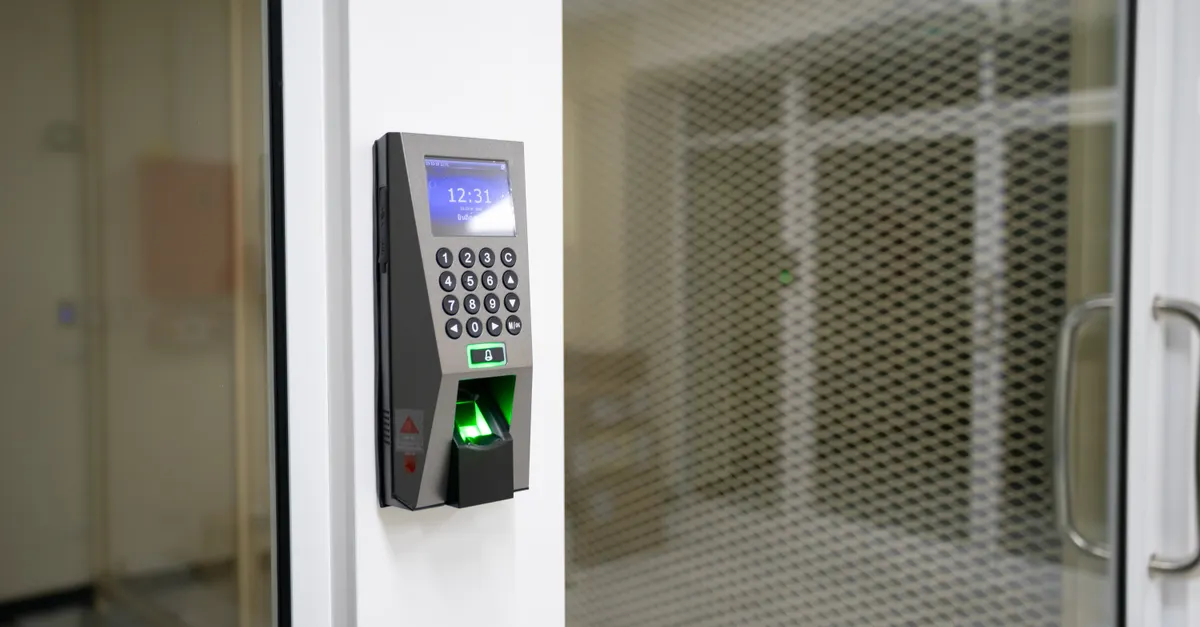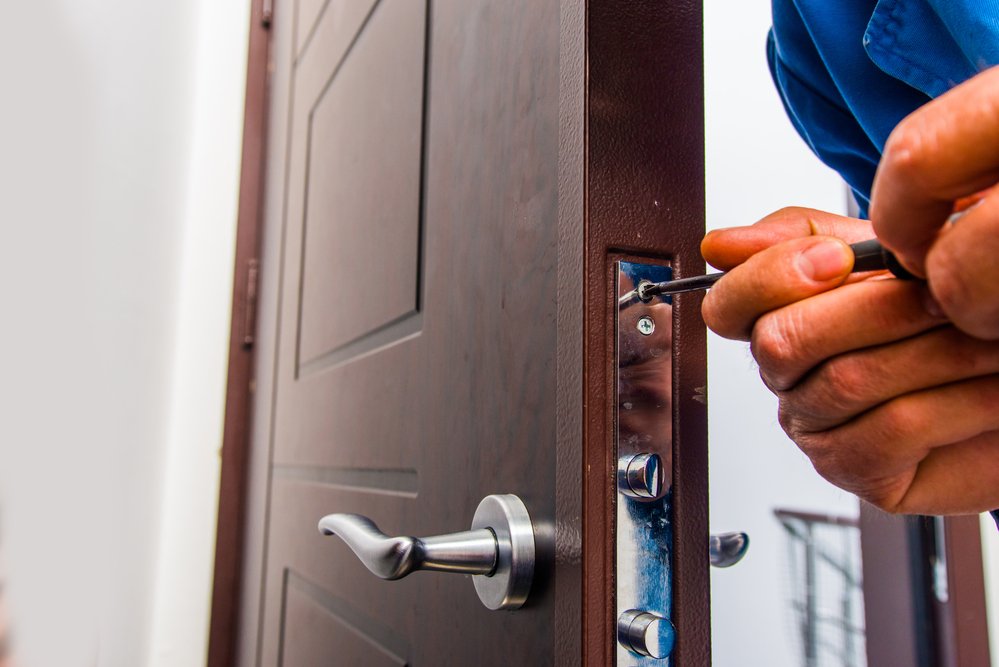
Keeping your home secure is a top priority for every homeowner. As threats evolve and burglars become more sophisticated, relying on outdated locks or basic security measures is no longer enough. A licensed locksmith residential security audit offers a comprehensive evaluation of your property’s defenses, helping you identify vulnerabilities and take actionable steps to protect your family and belongings.
This guide explains what a professional home security assessment involves, why it’s crucial to use a certified locksmith, and how you can benefit from expert recommendations. If you’re interested in upgrading your locks, learning about best practices, or understanding the full scope of a security audit, you’ll find practical advice and clear explanations here.
For those also considering security improvements for vehicles, our licensed locksmith automotive security upgrades resource covers car-specific solutions and tips.
What Is a Home Security Audit by a Certified Locksmith?
A residential security assessment conducted by a licensed professional is a systematic review of your property’s entry points, locks, and overall security measures. Unlike a quick DIY check, this process involves a thorough inspection by someone trained to spot weaknesses that might be overlooked. The goal is to provide a detailed report and actionable recommendations tailored to your unique home.
During the audit, the locksmith examines doors, windows, garage access, and even secondary entryways. They assess the condition and type of locks, the quality of door frames, and the effectiveness of current security hardware. This approach ensures that every potential risk is addressed, from outdated deadbolts to poorly lit entryways.
Why Choose a Licensed Locksmith for Your Security Assessment?
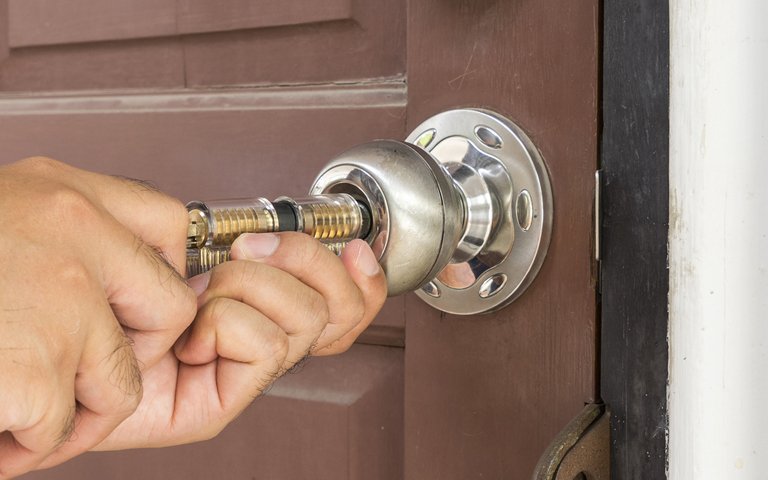
Not all locksmiths are created equal. Hiring a licensed locksmith ensures that the person evaluating your home meets state and local requirements for training, background checks, and ethical standards. This is essential for your peace of mind and for the reliability of the recommendations you receive.
According to the latest locksmith licensing requirements by state, certified professionals must adhere to strict guidelines, which helps protect homeowners from unqualified or fraudulent operators. A licensed expert brings up-to-date knowledge of security technologies and can recommend solutions that comply with insurance and legal standards.
Key Components of a Residential Security Inspection
A comprehensive home security evaluation by a certified locksmith typically covers several critical areas:
- Entry Door Assessment: Checking the strength and integrity of all exterior doors, including the quality of locks, strike plates, and hinges.
- Window Security: Inspecting window locks, latches, and glass types to ensure they resist forced entry.
- Garage and Outbuilding Access: Reviewing garage doors, side doors, and sheds for vulnerabilities.
- Lock Grading and Condition: Evaluating whether existing locks meet current security standards or need upgrading.
- Lighting and Visibility: Assessing exterior lighting and landscaping to reduce hiding spots and improve visibility.
- Alarm and Surveillance Systems: Recommending integration or upgrades for alarms, cameras, and smart security devices.
- Emergency Egress: Ensuring that security measures do not compromise safe exits in case of fire or emergency.
Benefits of a Professional Home Security Review
Investing in a licensed locksmith residential security audit offers several advantages:
- Peace of Mind: Know that your home has been assessed by a qualified expert who understands both traditional and modern threats.
- Customized Solutions: Receive recommendations tailored to your property’s unique layout and your family’s needs.
- Insurance Compliance: Many insurers require proof of adequate security measures for coverage or discounts.
- Cost Savings: Addressing vulnerabilities early can prevent costly break-ins or damage in the future.
- Up-to-Date Advice: Benefit from the latest knowledge on lock technology, smart home integration, and security best practices.
How the Audit Process Works
The typical process for a home security evaluation by a licensed locksmith includes several steps:
- Initial Consultation: The locksmith discusses your concerns, recent incidents, and any specific requirements you have.
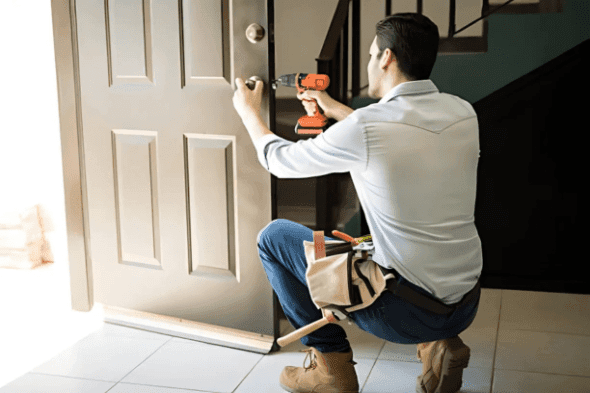
- On-Site Inspection: A thorough walkthrough of the property, examining all entry points, locks, and security systems.
- Vulnerability Report: You receive a detailed summary of findings, highlighting areas of concern and potential improvements.
- Recommendations: The locksmith suggests upgrades, repairs, or new installations, prioritizing the most urgent issues.
- Implementation: If you choose, the locksmith can perform necessary upgrades, such as installing high-security locks or reinforcing doors.
Common Upgrades and Solutions Suggested
Based on the audit, a locksmith may recommend a range of improvements. Some of the most common include:
- Replacing old or damaged locks with high-security deadbolts or smart locks
- Installing reinforced strike plates and door jamb armor
- Adding window locks or security film to vulnerable glass
- Improving exterior lighting and motion sensors
- Integrating alarm systems or surveillance cameras
- Upgrading garage door locks and securing side entrances
For more information on upgrading your locks, see our detailed licensed locksmith door lock replacement guide.
How to Prepare for Your Residential Security Assessment
To make the most of your audit, take a few simple steps before the locksmith arrives:
- List any recent security concerns or incidents
- Gather information about existing locks and security devices
- Identify all entry points, including less obvious ones like basement windows or attic doors
- Be ready to discuss your family’s routines and any special needs (e.g., elderly residents, children)
Choosing the Right Locksmith for the Job
When selecting a professional for your home security review, always verify their credentials. Ask for proof of licensing, check online reviews, and request references if needed. A reputable locksmith will be transparent about their qualifications and happy to explain their process.
If you’re also interested in securing valuables, our licensed locksmith safe installation article covers options for home safes and vaults.
Frequently Asked Questions
What makes a locksmith “licensed” and why is it important?
A licensed locksmith has met state or local requirements for training, background checks, and ethical standards. This ensures they are qualified, trustworthy, and up to date with security best practices. Using a licensed professional protects you from unqualified or fraudulent operators.
How often should I have a residential security audit performed?
It’s recommended to schedule a professional security assessment every few years, or after significant events such as moving into a new home, experiencing a break-in, or making major renovations. Regular reviews help keep your security measures current and effective.
Can a locksmith help after a break-in?
Yes, a certified locksmith can assess the damage, recommend repairs, and suggest upgrades to prevent future incidents. For more details, see our licensed locksmith break in repair services overview.
Are smart locks recommended during a security audit?
Many licensed professionals recommend smart locks for their convenience and advanced features. However, suitability depends on your specific needs and property layout. A security audit will determine if smart locks are appropriate for your home.
Conclusion
A thorough home security evaluation by a certified locksmith is one of the most effective ways to protect your property. By identifying weaknesses and recommending targeted upgrades, these professionals help you stay ahead of potential threats. Whether you’re concerned about outdated locks, want to integrate smart technology, or simply want peace of mind, a residential security audit is a smart investment in your family’s safety.