Effective key management is a cornerstone of modern security for both residential and commercial properties. As organizations and homeowners look for reliable ways to safeguard access, the expertise of a licensed locksmith becomes invaluable. These professionals provide not only technical skill but also compliance with legal and industry standards, ensuring that key systems are both secure and properly managed.
In this article, we’ll explore the essentials of licensed locksmith key management solutions, including the types of systems available, best practices for implementation, and how to choose the right provider. Whether you’re responsible for a large facility or simply want to secure your home, understanding these solutions can help you make informed decisions and avoid common pitfalls.
For those interested in ongoing professional growth, consider reviewing the licensed locksmith continuing professional development guide, which outlines the importance of staying updated with the latest industry practices.
Understanding Professional Key Management Services
Key management refers to the processes and technologies used to control, distribute, and track physical keys within an organization or household. When handled by a licensed locksmith, these services go beyond simple duplication or lock installation. They encompass a strategic approach to access control, accountability, and compliance.
Licensed professionals are required to adhere to strict regulations and often participate in ongoing training to maintain their credentials. This ensures that their solutions are not only technically sound but also legally compliant. For a deeper dive into licensing requirements, see this comprehensive guide to locksmith licenses.
Types of Locksmith Key Management Solutions
There are several approaches to managing keys, each with its own advantages and applications. The right choice depends on the size of your property, the number of users, and your specific security needs.
- Master Key Systems: These systems allow different levels of access for various users. A master key can open multiple locks, while sub-keys are restricted to specific areas. This is ideal for offices, apartment complexes, and facilities with tiered access requirements.
- Key Control Cabinets: Secure cabinets or lockers store and organize keys, often with audit trails to track who accessed which key and when. These are commonly used in hotels, car dealerships, and schools.
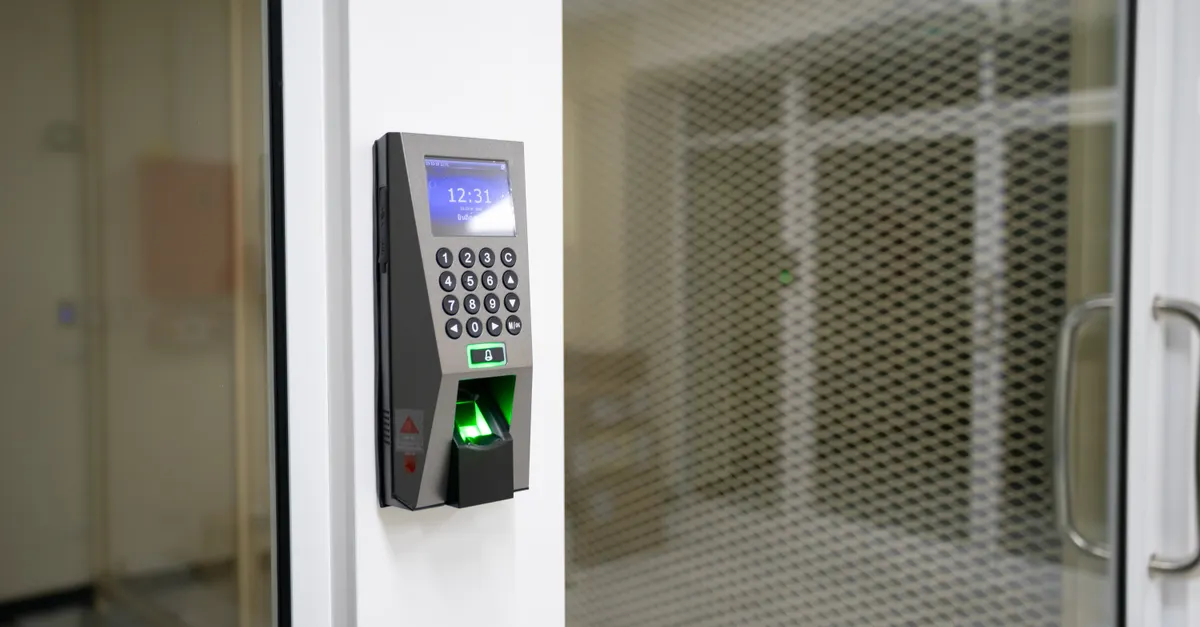
- Electronic Key Management: Digital solutions use electronic locks, key cards, or fobs, providing real-time tracking and the ability to revoke access instantly. These systems are increasingly popular for their flexibility and enhanced security.
- Restricted Keyways: Keys and locks designed to prevent unauthorized duplication. Only authorized locksmiths can create copies, reducing the risk of uncontrolled access.

Benefits of Working with Licensed Locksmiths
Choosing a certified professional for your key management needs offers significant advantages:
- Compliance: Licensed experts understand local laws and industry standards, helping you avoid legal issues and penalties. For more on regulatory considerations, see the licensed locksmith legal consequences resource.
- Accountability: Professionals provide documentation and tracking, ensuring every key is accounted for and reducing the risk of internal theft or loss.
- Expertise: With ongoing training and certification, licensed locksmiths stay updated on the latest security technologies and best practices.
- Custom Solutions: Every property is unique. A qualified locksmith can design a system tailored to your specific requirements, whether for a single-family home or a multi-site business.
Best Practices for Secure Key Management
Implementing effective key management involves more than just choosing the right hardware. Here are some essential steps to maximize security:
- Conduct a Security Assessment: Work with your locksmith to identify vulnerabilities and determine the appropriate level of access control.
- Establish Clear Policies: Define who is authorized to access keys, how they are distributed, and the procedures for lost or stolen keys.
- Maintain Accurate Records: Use logs or electronic tracking to monitor key usage and ensure accountability.
- Regularly Review Access: Periodically audit your key system, especially after staff changes or security incidents.
- Invest in Quality Hardware: Choose locks and key systems that meet recognized licensed locksmith industry standards for durability and security.
Choosing the Right Key Management Provider
Selecting a trustworthy locksmith is crucial for the effectiveness of your security system. Here’s what to look for:
- Licensing and Credentials: Always verify that your locksmith holds the appropriate state or local licenses. This ensures they meet minimum standards for training and ethical conduct.
- Experience: Look for providers with a proven track record in key management for properties similar to yours.
- References and Reviews: Ask for client references or check online reviews to gauge reliability and customer satisfaction.
- Transparency: A reputable locksmith will provide clear pricing, detailed service agreements, and documentation for all work performed.
If you need to verify a professional’s credentials, consult the licensed locksmith public database lookup for up-to-date licensing information.
Common Challenges and How to Overcome Them
Even with the best systems in place, organizations may encounter issues such as lost keys, unauthorized duplication, or outdated hardware. Here are some strategies to address these challenges:
- Lost or Stolen Keys: Have a clear procedure for reporting and responding to lost keys. Consider rekeying locks or upgrading to electronic access if losses are frequent.
- Unauthorized Duplication: Use restricted keyways and work only with licensed professionals to minimize the risk of unauthorized copies.
- Outdated Systems: Regularly review your key management setup and upgrade as needed to keep up with evolving security threats.
- Non-Compliance: Stay informed about local regulations and industry standards to avoid penalties. For more on this, the licensed locksmith penalty for violations article provides useful insights.
FAQ
What makes a locksmith “licensed” and why is it important for key management?
A licensed locksmith has met specific training, background, and regulatory requirements set by local authorities. This ensures they follow legal and ethical standards, which is crucial for secure and accountable key management.
How do master key systems improve security and convenience?
Master key systems allow for hierarchical access, meaning certain keys can open multiple locks while others are restricted. This streamlines access control and reduces the number of keys needed, making management easier and more secure.
Can electronic key management systems replace traditional keys?
Electronic systems offer enhanced tracking, instant access changes, and audit trails. While they can replace traditional keys in many settings, some environments may still require physical keys for backup or compliance reasons.
What should I do if a key is lost or stolen?
Report the loss immediately to your locksmith or security manager. Depending on your system, you may need to rekey locks, disable electronic credentials, or update your key inventory.