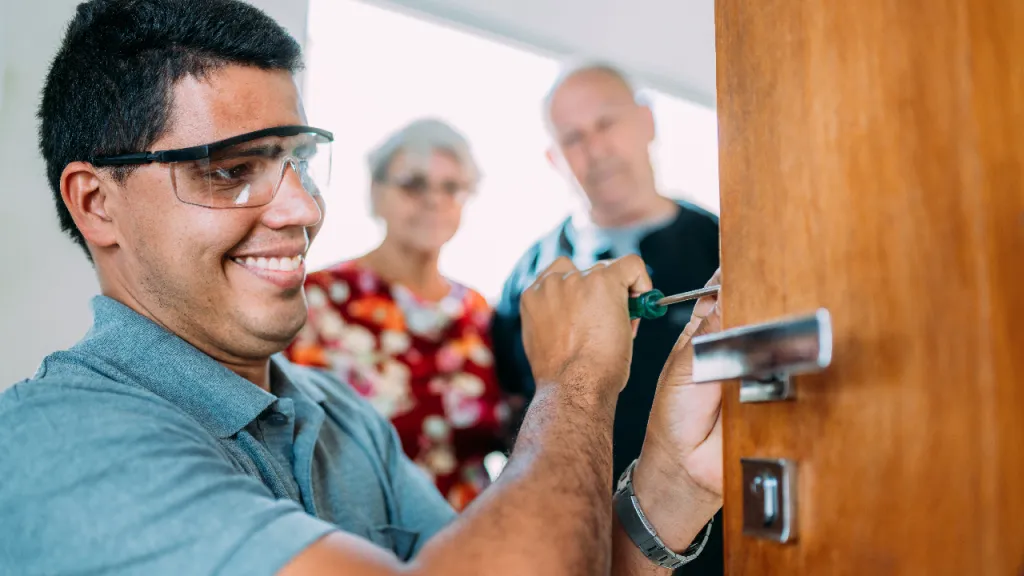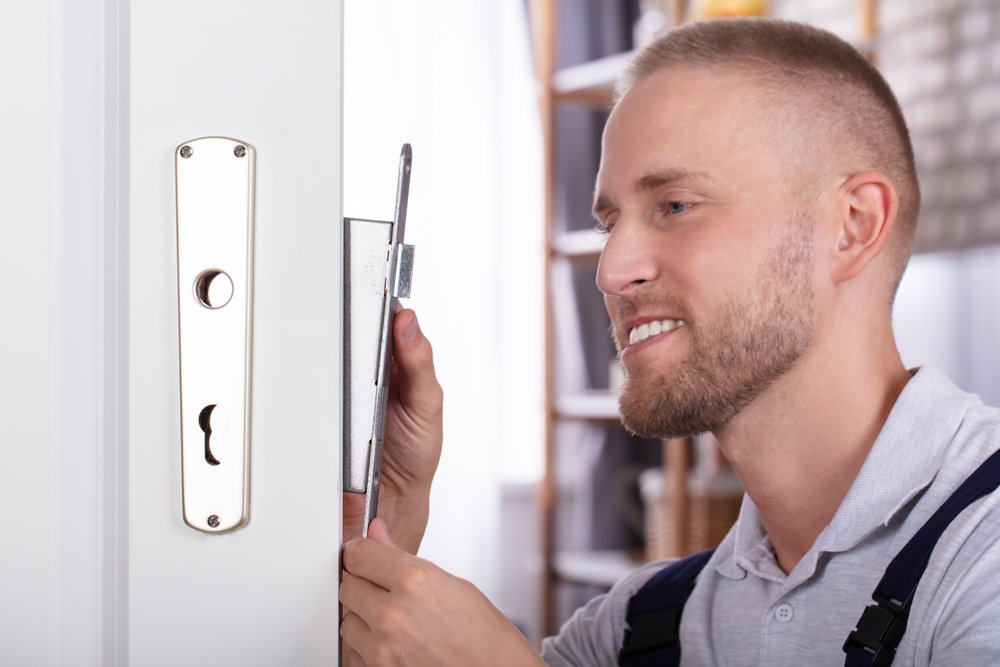
Homeowners associations (HOAs) often have specific rules regarding security, access, and maintenance within their communities. When it comes to locks and entry systems, these organizations typically require that any work be performed by a licensed locksmith who understands both legal and safety standards. Navigating these requirements can be confusing for homeowners, property managers, and even locksmiths themselves. This guide breaks down the essentials of licensed locksmith HOA requirements, including what HOAs expect, why licensing matters, and how to ensure compliance for any lock-related project.
Understanding the intersection of locksmith licensing and HOA policies helps prevent costly mistakes and ensures the security of the entire community. If you’re seeking more details on related topics, such as licensed locksmith key duplication rules, you’ll find additional resources on our site.
Understanding HOA Security Policies and Locksmith Licensing
HOAs are responsible for maintaining the safety and integrity of shared spaces and private residences within their jurisdiction. As a result, they often establish clear protocols for any work involving locks, keys, or access control. These protocols typically require the use of a licensed locksmith for all lock installations, repairs, and replacements.
Licensing ensures that the professional working on your property has met state or local requirements for training, background checks, and insurance. This is crucial for community safety, as it reduces the risk of unauthorized access and guarantees that work is performed to code.
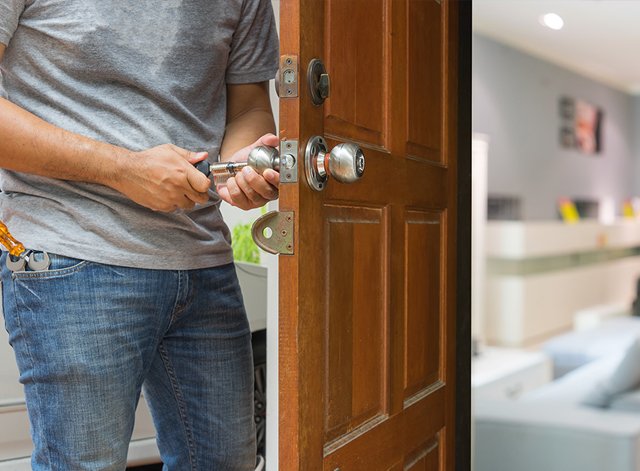
Common HOA Requirements for Locksmith Services
While every HOA is unique, there are several standard requirements that most associations include in their security policies. Understanding these helps homeowners and property managers avoid delays or violations.
- Proof of Licensing: HOAs usually require locksmiths to provide documentation showing they are licensed to operate in the relevant state or municipality.
- Insurance and Bonding: Many associations also mandate that locksmiths carry liability insurance and are bonded, protecting the HOA and residents in case of damage or negligence.
- Pre-Approval Process: Before any work begins, homeowners may need to submit a request to the HOA, including details about the locksmith and the scope of work.
- Compliance with Community Standards: Any new locks or security systems must meet the HOA’s specifications for appearance, function, and compatibility with master key systems or access control.
- Documentation of Work: After the job is completed, a record of the service—including the locksmith’s credentials—may need to be submitted to the HOA for their files.
Why HOAs Insist on Licensed Professionals
The insistence on using a licensed locksmith is not just about following the rules—it’s about protecting residents and property. Licensed professionals have undergone background checks, received proper training, and are held to higher ethical and technical standards. This minimizes the risk of break-ins, faulty installations, and legal liabilities for the HOA.
For a deeper look at the distinctions between insured, licensed, and bonded locksmiths, you can refer to this comprehensive comparison of locksmith credentials.
How to Comply with Locksmith Rules in HOA Communities
Navigating licensed locksmith HOA requirements can seem daunting, but following a few key steps will keep you on the right track:
- Review HOA Documents: Start by reading your association’s bylaws, rules, and regulations regarding security and locksmith services.
- Choose a Qualified Locksmith: Always hire a professional who can provide proof of licensing, insurance, and bonding.
- Submit Requests for Approval: If required, notify your HOA before scheduling any work and provide all requested documentation.
- Use Approved Products: Ensure that any locks or systems installed meet the HOA’s standards for security and aesthetics.
- Keep Records: Maintain copies of invoices, credentials, and approvals for your records and for the HOA’s files.
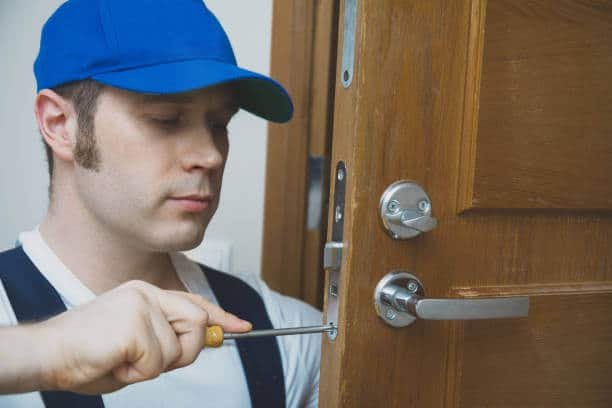
Special Considerations: Master Key Systems and Access Control
Many HOAs utilize master key systems or digital access control to manage entry to shared spaces and amenities. When making changes to locks in these environments, it’s critical to use professionals who understand the complexities of these systems. Unauthorized changes can compromise security for the entire community.
For more information about these advanced systems, consider reading our resource on licensed locksmith access control systems, which covers best practices for compliance and security.
Background Checks and Resident Safety
One of the main reasons HOAs require licensed locksmiths is to ensure that anyone working on locks has passed a background check. This is especially important in communities with vulnerable residents or high-value properties. Licensing authorities typically require criminal background screening as part of the application process, adding another layer of protection for homeowners.
If you’re interested in the specifics of how locksmiths are vetted, our article on licensed locksmith background screening provides a detailed overview.
Penalties for Non-Compliance with HOA Locksmith Rules
Failing to follow your HOA’s requirements for locksmith services can result in several consequences, including:
- Fines or Penalties: Homeowners may be fined for unauthorized work or for using unlicensed professionals.
- Forced Removal: The HOA may require that non-compliant locks or systems be removed and replaced at the homeowner’s expense.
- Liability Issues: If an incident occurs due to improper installation, the homeowner could be held liable for damages or security breaches.
Frequently Asked Questions
Do all HOAs require the use of a licensed locksmith?
Most HOAs mandate the use of a licensed locksmith for any work involving locks or access systems, but requirements can vary. Always check your association’s specific rules before proceeding.
What documentation should a locksmith provide to meet HOA standards?
A qualified professional should be able to present proof of licensing, insurance, and bonding. Some HOAs may also require background check documentation or references.
Can I change my own locks in an HOA community?
In many cases, homeowners must seek approval and use a licensed professional. DIY changes may violate HOA policies and could result in fines or required removal of the new hardware.
Are digital locks or smart locks allowed under HOA rules?
Some associations permit digital or smart locks if they meet community standards for appearance and security. Always get written approval before installation and use a licensed locksmith familiar with these systems.
Conclusion
Following licensed locksmith HOA requirements is essential for maintaining security, legal compliance, and harmony within your community. By working with qualified professionals and adhering to your association’s guidelines, you protect your property and contribute to the safety of your neighbors. For more on related topics, explore our guides on licensed locksmith restricted key systems and other locksmith services for HOA communities.