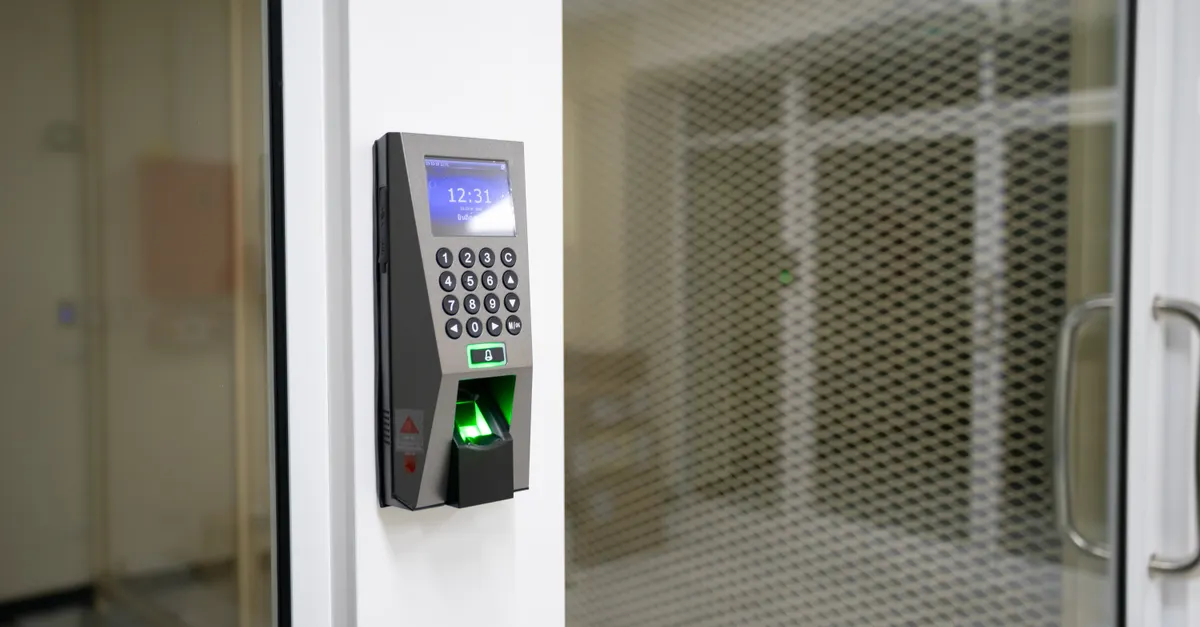
As security needs evolve, businesses and homeowners are turning to licensed locksmith access control systems to safeguard their properties. These solutions go beyond traditional locks and keys, offering advanced features like electronic entry, audit trails, and remote management. Choosing a certified professional ensures your installation meets legal requirements and delivers reliable protection.
Understanding the differences between certified and uncertified providers is crucial. For a deeper dive into this topic, see the licensed locksmith vs unlicensed locksmith comparison to make informed decisions about your security.
What Are Access Control Systems?
Access control systems are security solutions that regulate who can enter or exit specific areas of a building. Unlike standard locks, these systems use electronic credentials—such as key cards, PIN codes, or biometric data—to grant or restrict access. This technology is widely used in offices, apartment complexes, hospitals, and retail environments.
Modern access control setups can be standalone or integrated with other security measures like surveillance cameras and alarm systems. The main goal is to provide flexible, trackable, and scalable entry management.
Why Choose a Licensed Locksmith for Access Control?
Working with a licensed locksmith ensures your access control installation is compliant with local laws and industry standards. Certified professionals have undergone background checks, received specialized training, and are often required to stay updated on the latest security technologies.
There are several benefits of hiring a licensed locksmith, including accountability, insurance coverage, and expert advice on system selection and maintenance. Unlicensed providers may lack the necessary skills or legal standing, potentially putting your property at risk.
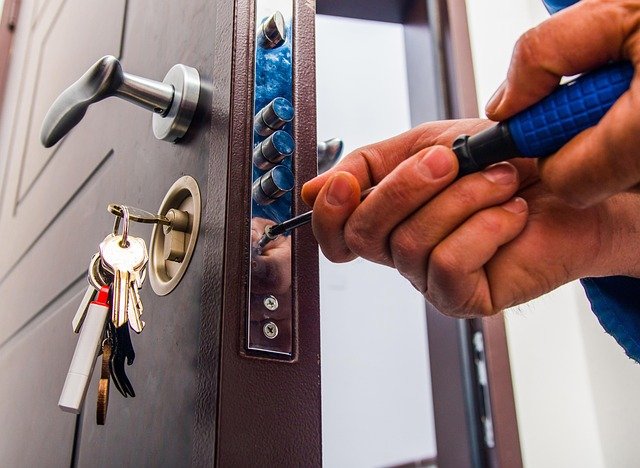
Types of Access Control Solutions Provided by Certified Locksmiths
Licensed locksmith access control systems come in various forms, each designed to address specific security needs. Here are some of the most common options:
- Key Card and Fob Systems: Users gain entry by presenting a programmed card or fob at a reader. These are popular in commercial and residential buildings for their ease of use and ability to track entries.
- PIN Code Keypads: Access is granted when a valid code is entered. Keypads are often used for staff entrances, storage rooms, or server areas.
- Biometric Readers: These systems use fingerprints, facial recognition, or iris scans to authenticate users. Biometrics offer a high level of security and eliminate the risk of lost keys or cards.
- Mobile Credential Systems: Smartphones can act as digital keys, allowing users to unlock doors via an app or Bluetooth connection. This is increasingly popular for businesses seeking convenience and remote management.
- Integrated Security Platforms: Advanced setups combine access control with alarms, video surveillance, and building automation for comprehensive protection.
Key Benefits of Professional Access Control Installation
Entrusting your security to a certified locksmith offers several advantages:
- Expert Assessment: Professionals evaluate your property to recommend the most suitable system based on layout, usage, and risk factors.
- Proper Installation: Licensed technicians ensure all components are correctly installed and integrated, minimizing vulnerabilities.
- Ongoing Support: Many locksmiths offer maintenance, system upgrades, and emergency assistance, keeping your security up to date.
- Legal Compliance: Certified providers adhere to state and local regulations, protecting you from liability and ensuring insurance eligibility.
How to Verify a Locksmith’s Credentials
Before hiring, it’s essential to confirm that your locksmith is properly licensed and qualified. You can check their credentials by:
- Requesting to see their license and verifying its validity with local authorities.
- Reviewing certifications or memberships in professional organizations.
- Reading customer reviews and checking for a physical business address.
- Consulting resources like this guide on how to verify a licensed locksmith for step-by-step instructions.
For those interested in state-specific requirements, the complete guide to locksmith licensing requirements by state provides up-to-date information on regulations across the U.S.

Choosing the Right Access Control System for Your Needs
Selecting the best solution depends on your property type, budget, and security priorities. Consider the following factors:
- Number of Users: Large organizations may need scalable systems with centralized management, while small businesses might prefer simpler setups.
- Integration: Decide if you want your access control to work alongside alarms, cameras, or building automation.
- Remote Management: Many modern systems allow administrators to control access and monitor activity from anywhere.
- Compliance: Ensure your system meets legal and insurance requirements, especially for regulated industries.
- Future Expansion: Choose a platform that can grow with your needs, supporting additional doors or users as your organization evolves.
Maintenance and Upgrades for Access Control
Regular maintenance is key to keeping your security system effective. Licensed locksmiths offer scheduled inspections, software updates, and prompt repairs. Upgrading outdated components can address new threats and take advantage of emerging technologies.
Some locksmiths also provide mobile key fob services for convenient credential management, making it easier to add or remove users as needed.
Frequently Asked Questions
What makes a locksmith qualified to install access control systems?
A qualified locksmith has completed required training, holds a valid license, and stays current with industry standards. This ensures they can recommend, install, and maintain advanced security solutions safely and legally.
How often should access control systems be serviced?
Routine maintenance is recommended at least once a year, though high-traffic facilities may require more frequent checks. Regular servicing helps identify potential issues before they compromise security.
Can access control be integrated with existing security systems?
Yes, most modern access control platforms can be integrated with alarms, surveillance cameras, and building management systems. A licensed locksmith can assess compatibility and handle the integration process.