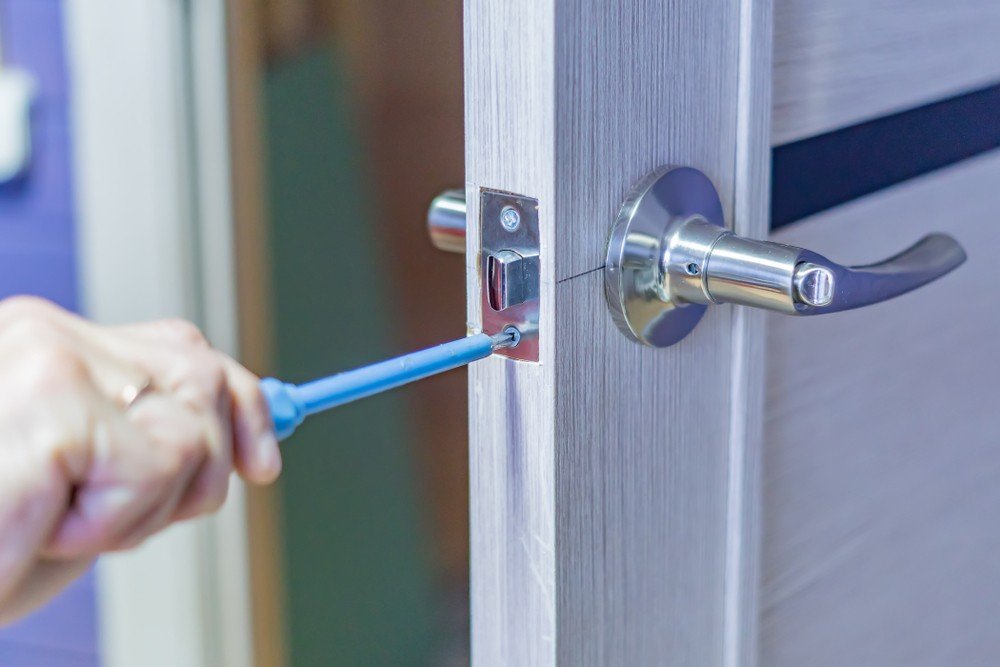
The locksmith industry continues to evolve, offering a blend of traditional skills and modern security solutions. For those seeking a business venture with a proven model, licensed locksmith franchise opportunities present a compelling path. These options combine the independence of entrepreneurship with the support and brand recognition of an established company. Whether you have a background in security or are new to the field, understanding the landscape of franchising in this sector is essential for making an informed decision.
Before diving into the details, it’s helpful to explore related resources, such as the licensed locksmith emergency preparedness guide, which provides valuable insights for professionals considering a franchise in this industry.
Understanding the Locksmith Franchise Model
Franchising in the locksmith sector allows individuals to operate under a recognized brand while following established operational procedures. This model offers a balance between autonomy and support, making it attractive for those who want to run their own business but prefer not to start from scratch. Franchisees typically receive training, marketing assistance, and access to proprietary tools and technology, which can be crucial for success in a competitive market.
The demand for locksmith services spans residential, commercial, and automotive sectors. As security needs grow more complex, the value of a licensed locksmith franchise increases, especially when it comes to building trust with customers and ensuring compliance with local regulations.
Key Benefits of Joining a Licensed Locksmith Franchise
Choosing a reputable franchise offers several advantages over launching an independent locksmith business. Here are some of the most significant benefits:
- Brand Recognition: Operating under a well-known name can help attract customers who value reliability and professionalism.
- Comprehensive Training: Franchisors usually provide in-depth training covering technical skills, customer service, and business management.
- Ongoing Support: Franchisees benefit from marketing resources, operational guidance, and access to a network of fellow business owners.
- Proven Systems: Established processes for scheduling, billing, and inventory management help streamline daily operations.
- Regulatory Compliance: Franchises often assist with licensing and insurance requirements, reducing the risk of costly mistakes.
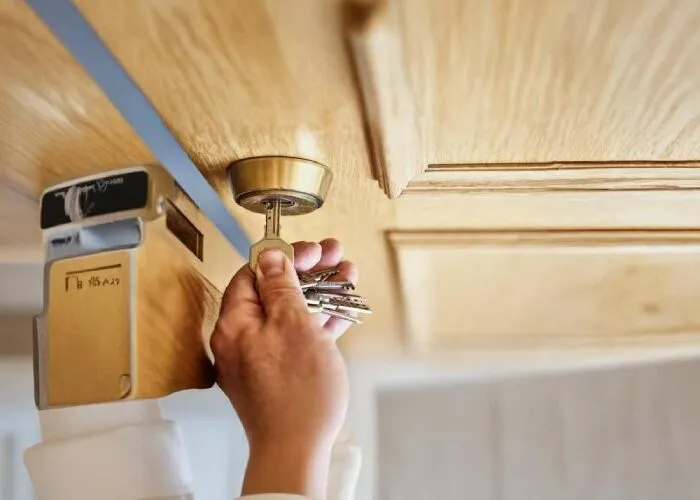
What to Look for in a Locksmith Franchise Opportunity
Not all franchises are created equal. When evaluating your options, consider the following factors to ensure you choose the right fit for your goals and local market:
- Licensing and Certification: Confirm that the franchise assists with obtaining necessary licenses and adheres to industry standards.
- Initial Investment: Review the total startup costs, including franchise fees, equipment, and working capital requirements.
- Territory Rights: Understand the geographic area you’ll be serving and whether exclusivity is offered.
- Reputation and Reviews: Research the franchisor’s track record, customer feedback, and industry standing.
- Support Structure: Assess the level of ongoing training, marketing, and operational assistance provided.
- Exit Strategy: Know the terms for selling or transferring your franchise if your circumstances change.
It’s also wise to consult resources like the guide to choosing a licensed, bonded, and insured locksmith to understand the importance of credentials and how they impact your business reputation.
Steps to Launching Your Locksmith Franchise
Once you’ve selected a franchise, the process of getting started involves several key steps. Here’s a general overview to help you prepare:
- Research and Application: Begin by gathering information about available franchises and submitting an application to your preferred brand.
- Due Diligence: Review the Franchise Disclosure Document (FDD), speak with current franchisees, and consult with legal or financial advisors.
- Secure Financing: Arrange funding for your initial investment, whether through personal savings, loans, or franchisor programs.
- Sign Franchise Agreement: Once approved, sign the agreement and pay any required fees to secure your territory.
- Complete Training: Attend the franchisor’s training program to learn technical, business, and customer service skills.
- Obtain Licenses and Insurance: Work with the franchisor to ensure you meet all local and state requirements for operating legally.
- Set Up Operations: Acquire necessary equipment, hire staff if needed, and implement the franchisor’s business systems.
- Launch and Market: Use the brand’s marketing resources to announce your opening and attract your first customers.
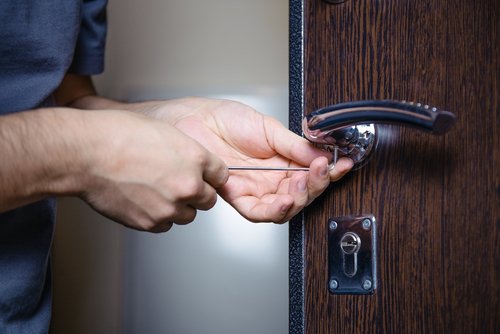
Challenges and Considerations for Franchisees
While the advantages of joining a licensed locksmith franchise are clear, it’s important to be aware of potential challenges. Franchisees must adhere to the franchisor’s rules and standards, which can limit flexibility in how you operate. Initial costs and ongoing royalty payments may also impact profitability, especially in the early stages.
Additionally, staying up to date with technological advances and evolving security threats is crucial. Many franchises offer ongoing education and support to help you adapt, but personal commitment to continuous learning is essential for long-term success.
For those interested in expanding their service offerings, exploring specialized areas such as licensed locksmith high security cylinder installation can help differentiate your business and meet the needs of a broader client base.
Maximizing Success in the Locksmith Franchise Industry
To thrive in this field, focus on building strong relationships with customers, maintaining high standards of service, and leveraging the resources provided by your franchisor. Networking with other franchisees, participating in ongoing training, and staying informed about industry trends will help you stay competitive.
It’s also beneficial to develop a local marketing strategy that complements the franchisor’s national campaigns. Engaging with your community, offering emergency services, and providing educational resources can help establish your reputation as a trusted security expert.
Frequently Asked Questions
What qualifications do I need to start a locksmith franchise?
Most franchisors require a clean background check, a valid driver’s license, and the ability to obtain necessary state or local locksmith licenses. While previous experience in the industry is helpful, many franchises provide comprehensive training for newcomers.
How much does it cost to open a locksmith franchise?
Startup costs vary depending on the brand, territory, and required equipment. Expect to invest in franchise fees, tools, vehicles, insurance, and initial marketing. Reviewing the Franchise Disclosure Document will provide a detailed breakdown of expenses.
Can I offer emergency locksmith services as a franchisee?
Yes, many franchises encourage or require offering 24/7 emergency services to meet customer demand. This can be a lucrative aspect of the business, especially in areas with high residential or commercial activity.
For more information on preparing for urgent situations, consult resources like the licensed locksmith emergency preparedness guide.