Foreclosure situations require a careful, professional approach—especially when it comes to securing and accessing properties. Licensed locksmith foreclosure services play a crucial role in this process, ensuring that banks, real estate agents, and property managers can regain access to foreclosed homes or commercial spaces legally and efficiently. With strict legal requirements and the need for proper documentation, working with a certified locksmith is not just a best practice—it’s often a necessity.
In this article, we’ll explore what these specialized services involve, why licensing matters, and how to choose the right provider for your needs. If you’re interested in related topics, such as licensed locksmith key duplication rules, you’ll find additional guidance on our site.
Understanding Foreclosure Locksmith Services
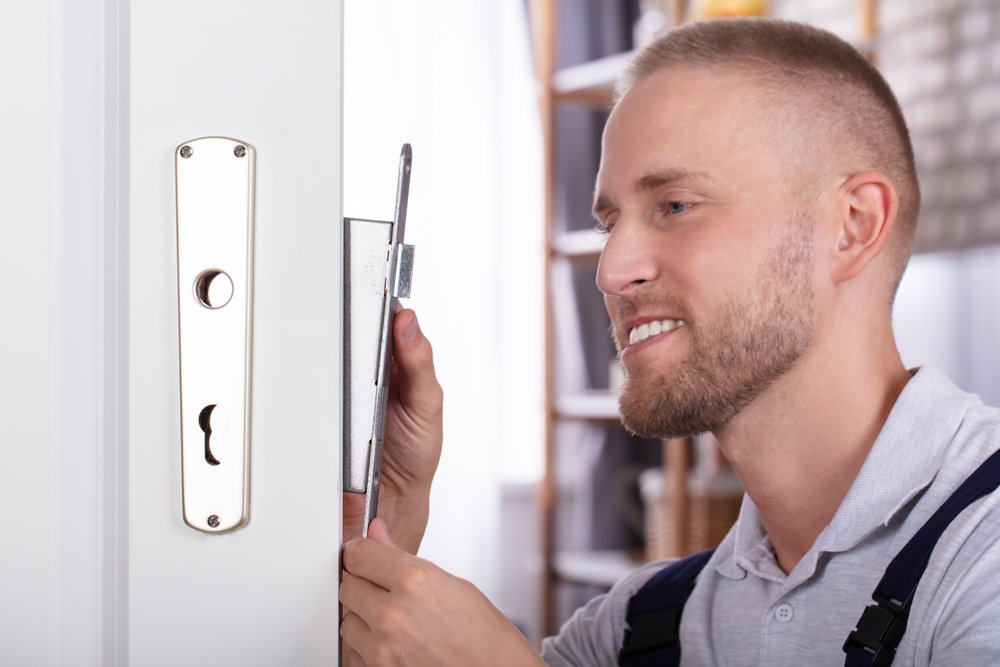
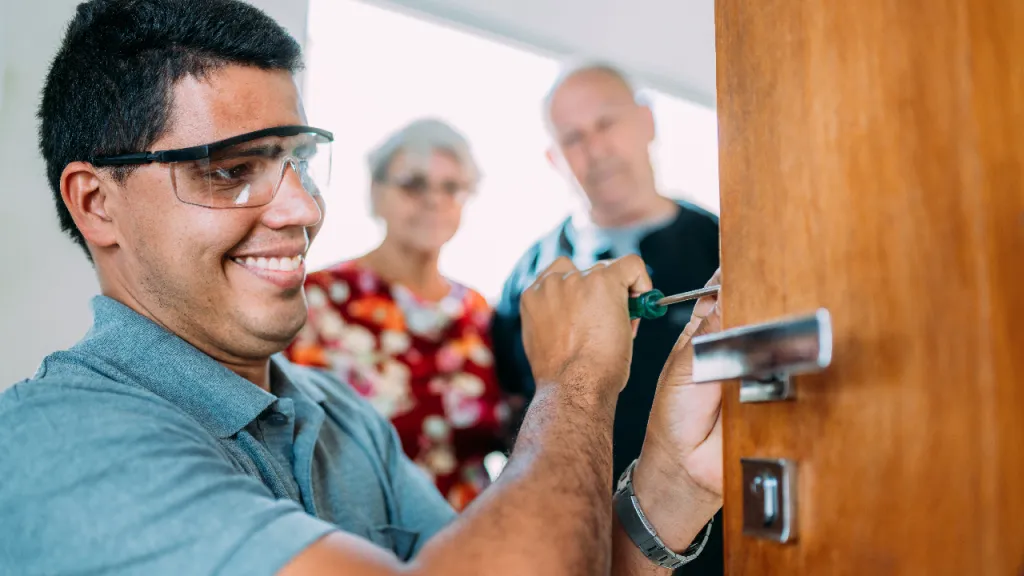
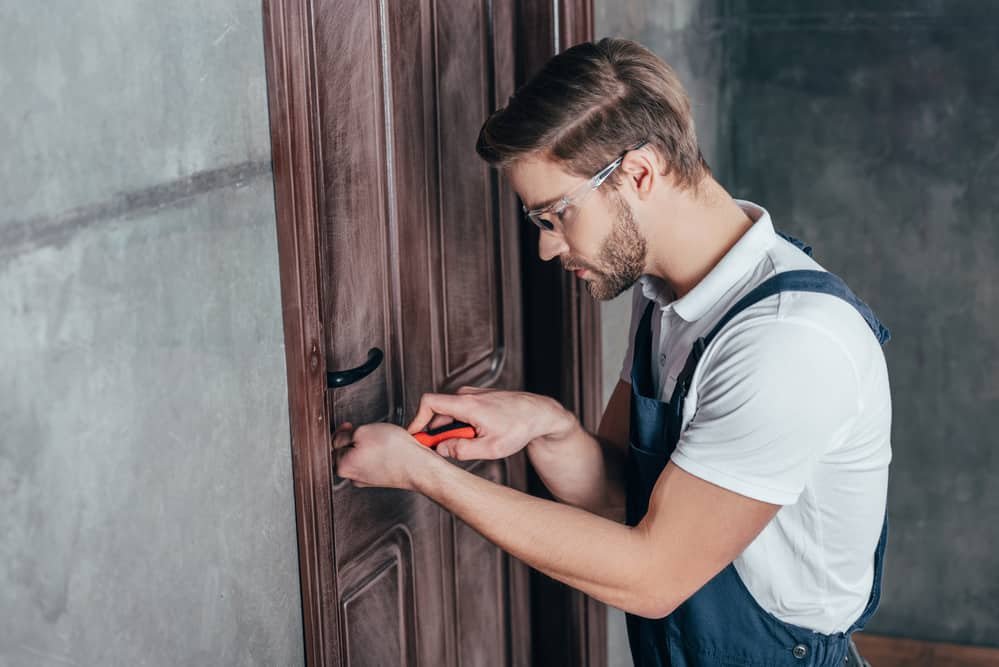
When a property enters foreclosure, the lender or their agent often needs to secure the premises, change locks, or gain entry for inspection and maintenance. Foreclosure locksmith services are specifically tailored for these scenarios. They include:
- Lock rekeying or replacement to prevent unauthorized access
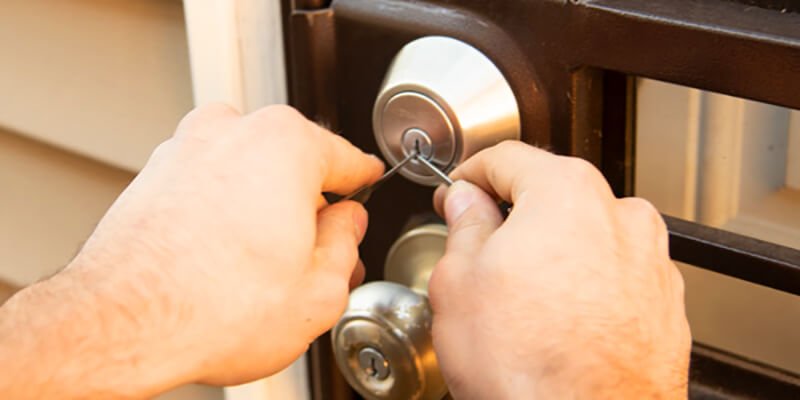
- Non-destructive entry methods to minimize property damage
- Providing legal documentation of entry and lock changes
- Securing all doors, windows, and access points
- Installing new hardware or security upgrades as needed
These tasks require not only technical skill but also a deep understanding of local laws and foreclosure procedures. That’s why working with a licensed locksmith is essential.
Why Licensing Matters in Foreclosure Situations
Not all locksmiths are created equal. In foreclosure cases, using a licensed professional is more than a matter of quality—it’s often a legal requirement. Licensed locksmiths have undergone background checks, training, and certification to ensure they operate within the law and adhere to industry standards.
Some states and municipalities mandate that only certified locksmiths can perform lock changes or entries on foreclosed properties. This helps protect the rights of former occupants, lenders, and new owners. For a detailed explanation of licensing requirements, see this comprehensive guide to locksmith licenses.
Working with a licensed provider also ensures that all actions taken during the foreclosure process are documented and legally defensible. This can be critical if there are disputes or claims regarding property entry or security.
Key Steps in the Foreclosure Locksmith Process
The process of securing a foreclosed property with the help of a locksmith typically follows these steps:
- Verification of Authority: The locksmith will require proof of legal authority to access the property, such as a court order or documentation from the lender.
- Entry and Assessment: Using non-destructive techniques, the locksmith gains entry and assesses the current security situation.
- Lock Replacement or Rekeying: All exterior locks are either replaced or rekeyed to prevent previous occupants from re-entering.
- Documentation: The locksmith provides a detailed report of services rendered, including photos and a list of new keys issued.
- Additional Security Measures: If needed, the locksmith may install new hardware, reinforce doors, or add other security features.
Throughout this process, clear communication and transparency are vital. Property managers and lenders should always request documentation and keep records for legal compliance.

Choosing the Right Provider for Foreclosure Security
Selecting a qualified locksmith for foreclosure work involves more than just checking for a license. Here are some tips to ensure you’re working with a reputable provider:
- Verify licensing and insurance status before hiring
- Ask about experience with foreclosure and real estate services
- Request references from banks, property managers, or realtors
- Ensure the locksmith provides written documentation for all work performed
- Look for providers who offer emergency response and flexible scheduling
For those interested in advanced security solutions, such as digital locks or access control, consider reading our licensed locksmith digital lock services guide for more information.
Legal and Ethical Considerations in Foreclosure Locksmithing
Foreclosure is a sensitive process, and locksmiths must navigate legal and ethical boundaries carefully. Only authorized parties—such as lenders, court-appointed agents, or law enforcement—should initiate lock changes. Licensed professionals will always verify your authority before proceeding.
Ethical locksmiths also respect the privacy and property of former occupants. They avoid unnecessary damage, secure any personal belongings found, and document all actions for transparency. This professionalism helps prevent legal disputes and maintains trust between all parties involved.
If you want to learn more about the standards and background checks required for locksmiths, our article on licensed locksmith background screening offers further insights.
Expanding Security: Beyond the Basics
While changing locks is the most common foreclosure service, many property managers are now looking for more robust solutions. Upgrading to restricted key systems or installing access control technology can provide additional peace of mind. For a deeper understanding of these options, see our resource on licensed locksmith restricted key systems or explore our licensed locksmith access control systems guide.
These advanced measures help prevent unauthorized re-entry and make it easier to manage access for contractors, inspectors, and new owners during the transition period.
Frequently Asked Questions
What documentation does a locksmith need for foreclosure services?
A locksmith will typically require proof of legal authority to access the property, such as a court order, documentation from the lender, or authorization from a property management company. This ensures the locksmith is acting within the law and protects all parties involved.
Are licensed locksmiths required for all foreclosure lock changes?
In many states and cities, only licensed professionals are permitted to perform lock changes on foreclosed properties. This requirement helps ensure that all work is done legally and to industry standards. Always check local regulations before hiring a locksmith for foreclosure work.
Can a locksmith provide additional security upgrades during foreclosure?
Yes, many locksmiths offer more than just basic lock changes. They can install high-security locks, restricted key systems, or even digital access solutions to enhance property security during and after the foreclosure process.