When buying or selling property, security is a top concern for everyone involved. Ensuring that locks are properly changed, rekeyed, or inspected is a crucial step in the process. Working with a licensed locksmith for real estate transactions provides peace of mind, legal compliance, and protection for all parties. This article explores why professional locksmith services are essential in property transfers, what to expect from a certified provider, and how to choose the right expert for your needs.
Whether you are a real estate agent, buyer, or seller, understanding the role of a licensed locksmith can help you avoid common pitfalls and ensure a smooth handover. For those interested in more specific regulations, you may also want to review the licensed locksmith key duplication rules to stay compliant during property exchanges.
Why Professional Locksmiths Are Vital in Property Transfers
Real estate transactions involve a significant transfer of trust and responsibility. One of the most overlooked aspects is the security of the property’s locks and keys. Using a licensed locksmith for real estate transactions ensures that only authorized professionals handle the property’s security systems. This is especially important because:
- Legal compliance: Many regions require licensed professionals for lock changes or rekeying during property sales.
- Accountability: Licensed experts are insured and background-checked, reducing the risk of fraud or negligence.
- Expertise: Certified locksmiths can identify potential security weaknesses and recommend upgrades or repairs.
- Documentation: Professional locksmiths provide receipts and records, which can be valuable for both buyers and sellers.
Key Services Offered by Certified Locksmiths in Real Estate
The scope of work provided by a licensed locksmith during property transactions goes beyond simply changing locks. Here are some of the most common services:
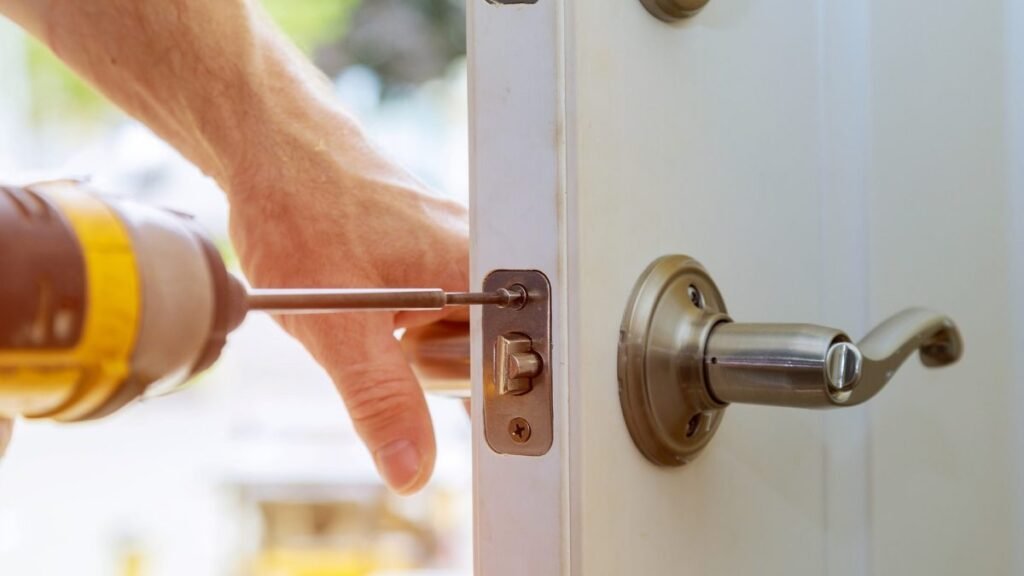
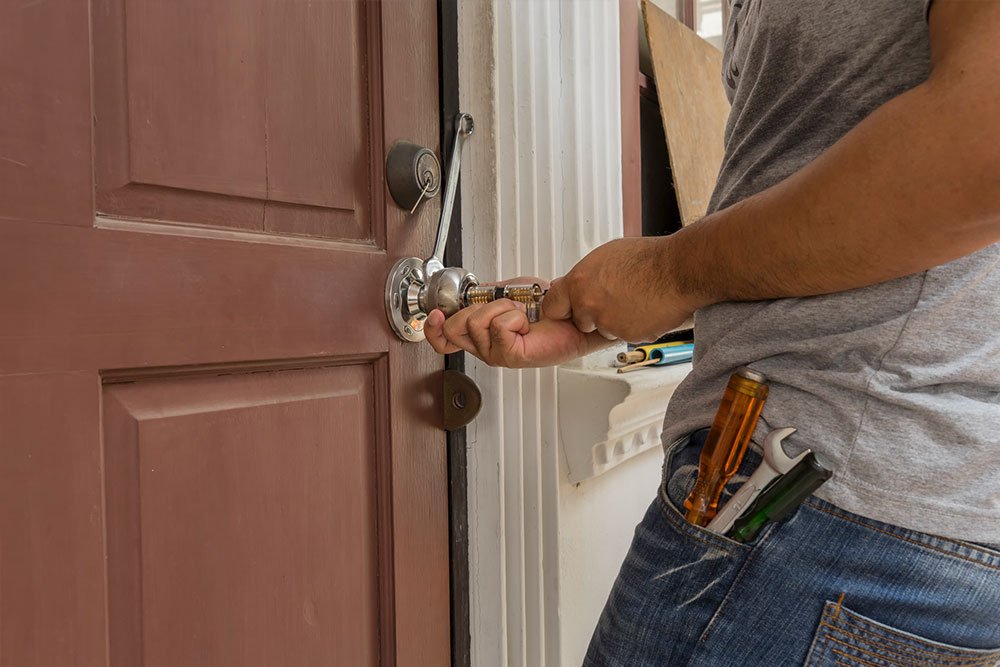
- Lock rekeying: Changing the internal mechanism of existing locks so old keys no longer work, providing security without replacing hardware.
- Full lock replacement: Installing new locks for enhanced protection or to meet insurance requirements.
- Key duplication: Creating new keys for buyers, tenants, or property managers, following strict licensed locksmith key duplication rules.
- Security audits: Inspecting the property for vulnerabilities and recommending improvements, such as deadbolts or smart locks.
- Emergency lockout assistance: Providing access in case of accidental lockouts during the moving process.
- Restricted key systems: Installing systems that prevent unauthorized duplication, as explained in the licensed locksmith restricted key systems guide.
How to Verify a Locksmith’s Credentials for Property Sales
Not all locksmiths are created equal. When hiring a professional for a real estate transaction, it’s important to confirm their licensing and reputation. Here’s how you can do that:
- Check for a valid license: Ask to see their state or regional locksmith license. This ensures they meet local regulations and have passed required background checks.
- Verify insurance: A reputable locksmith should carry liability insurance to protect against accidental damage or injury.
- Review credentials: Look for membership in professional associations or certifications from recognized industry bodies.
- Read reviews: Online feedback from other real estate professionals or homeowners can provide insight into their reliability and service quality.
- Ask about background screening: For added peace of mind, inquire if the locksmith has undergone thorough background checks, as detailed in the licensed locksmith background screening resource.
For a deeper understanding of what to look for in a trusted provider, refer to this comprehensive guide on locksmith certification and licensing.
Benefits of Using a Licensed Locksmith for Real Estate Transactions
Choosing a certified expert for lock and key services during property sales offers several advantages:
- Enhanced security: Licensed professionals use quality materials and follow best practices to safeguard the property.
- Legal protection: Documentation from a certified locksmith can help resolve disputes or insurance claims.
- Efficiency: Experienced locksmiths understand the urgency of real estate timelines and can coordinate with agents and movers.
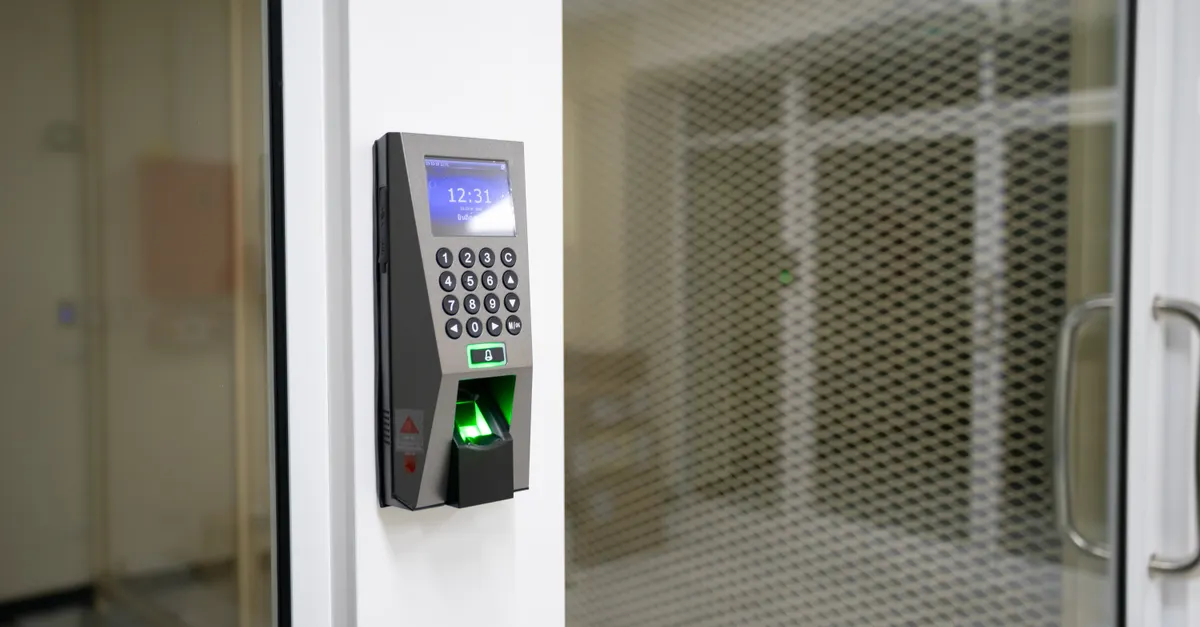
- Access to advanced solutions: If you require modern systems, such as digital locks or access control, a licensed provider can help. For more information, see the licensed locksmith digital lock services and licensed locksmith access control systems guides.
Common Situations Requiring Locksmith Services in Real Estate
There are several scenarios where a licensed locksmith for property sales becomes indispensable:
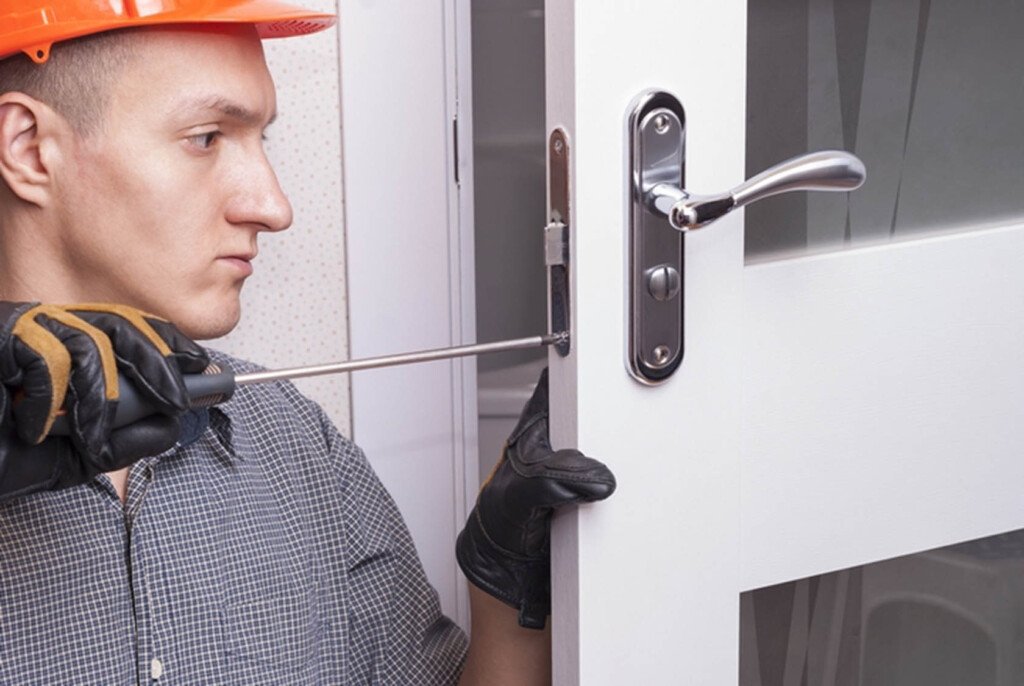
- After closing: It’s standard practice for new owners to rekey or replace all exterior locks to prevent unauthorized access.
- Rental turnovers: Landlords often hire locksmiths to ensure previous tenants no longer have access.
- Foreclosures and evictions: Legal requirements may mandate lock changes to secure the property.
- Lost or unreturned keys: If keys are missing at the time of sale, immediate lock changes are essential.
- Upgrading security: Buyers may want to install smart locks or high-security systems as soon as they take possession.
Frequently Asked Questions
Is it necessary to change locks after buying a new home?
Yes, it is highly recommended to either rekey or replace all locks after purchasing a property. This ensures that previous owners, tenants, or anyone with an old key cannot access your new home. A licensed locksmith for real estate transactions can handle this quickly and professionally.
How do I know if a locksmith is properly licensed?
Always ask to see the locksmith’s official license, which should be issued by your local or state authority. You can also check for certifications and read reviews to confirm their legitimacy. For more details, consult resources on what to look for in a trusted locksmith provider.
What should I expect to pay for locksmith services during a property sale?
Costs vary depending on the number of locks, type of service (rekeying vs. replacement), and the complexity of the property’s security system. Most licensed locksmiths provide transparent quotes and itemized invoices, so be sure to request a detailed estimate before work begins.
Conclusion
Securing a property during a real estate transaction is not just a matter of convenience—it’s a critical step for legal and personal safety. By working with a licensed locksmith for real estate transactions, you ensure that all parties are protected, the property is secure, and the transfer process is smooth. Always verify credentials, ask about background checks, and choose a provider who understands the unique needs of real estate clients.