When landlords or property managers need to regain control of a property after a legal eviction, working with a licensed locksmith for eviction services is essential. These professionals ensure that the process is handled lawfully, efficiently, and with minimal disruption. Understanding the role of a certified locksmith in eviction scenarios can help property owners, tenants, and legal professionals navigate the process smoothly and avoid costly mistakes.
In this guide, we’ll explore what makes a locksmith qualified for eviction work, the typical steps involved, legal considerations, and how to choose the right provider. If you’re dealing with stubborn locks or need help with other security concerns, you may also find our locked file cabinet repair guide helpful for related situations.
Why a Licensed Locksmith Is Required for Eviction Procedures
Eviction is a legal process that often culminates in changing or rekeying locks to prevent former tenants from re-entering the property. Only a licensed locksmith for eviction services can guarantee that this is done in compliance with local laws and regulations. Using an unlicensed provider can expose landlords to legal risks, property damage, and potential liability if the process is not handled correctly.
Licensing requirements for locksmiths vary by state and municipality. In many areas, locksmiths must undergo background checks, pass exams, and maintain insurance to operate legally. For a comprehensive overview of regional requirements, consult this state-by-state locksmith licensing guide.
Key Steps in the Eviction Locksmith Process
Engaging a professional for eviction-related lock changes involves several important steps. Here’s what property owners and managers can expect:
- Verification of Legal Authority: The locksmith will ask to see the court order or writ of possession before proceeding. This ensures the eviction is lawful.
- Coordination with Law Enforcement: In most jurisdictions, a sheriff or constable must be present during the eviction. The locksmith works alongside law enforcement to gain entry.
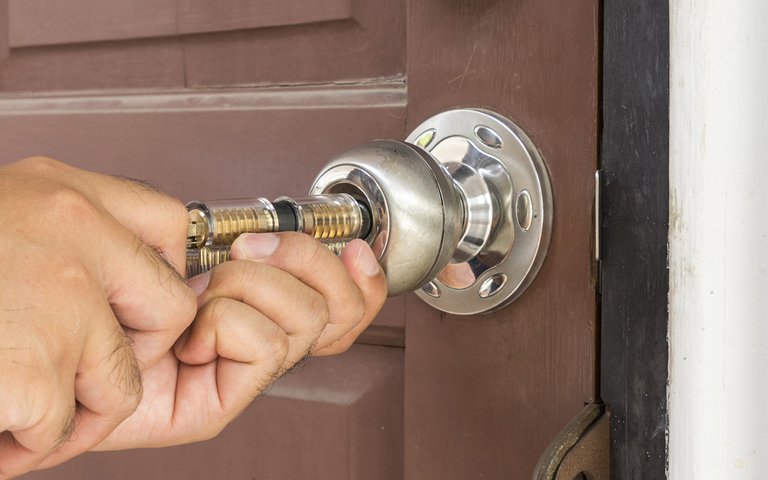
- Non-Destructive Entry: Whenever possible, the locksmith will use specialized tools and techniques to open doors without damaging the property.
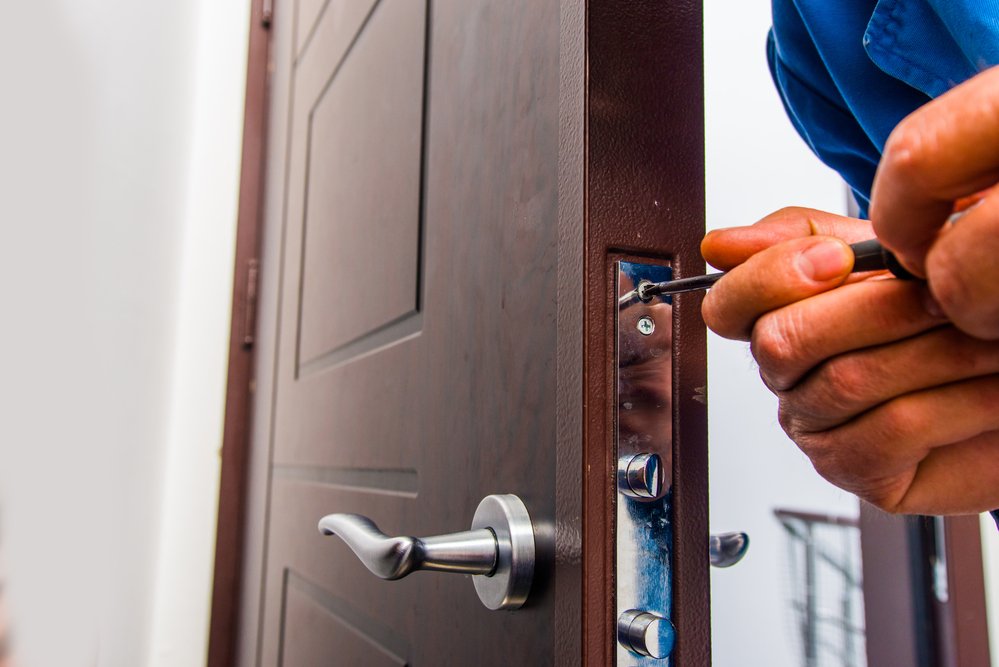
- Lock Replacement or Rekeying: After entry, the locksmith will either replace the locks or rekey them, ensuring that only authorized individuals have access.
- Documentation: Some locksmiths provide written records or photographs of the work performed, which can be useful for legal or insurance purposes.
Legal and Ethical Considerations for Eviction Lock Changes
Property owners must follow strict legal guidelines when conducting an eviction. Attempting to change locks without a court order or proper notice can result in penalties, lawsuits, or even criminal charges. A licensed locksmith for eviction services will refuse to act without the appropriate documentation, protecting both themselves and their clients from legal repercussions.
Additionally, locksmiths are trained to handle sensitive situations with professionalism and discretion. They understand the importance of respecting the rights of both landlords and tenants, and they work to minimize conflict during the eviction process.
How to Choose the Right Locksmith for Eviction Needs
Selecting a qualified provider is crucial for a smooth and lawful eviction. Here are some tips for finding the right professional:
- Verify Licensing and Insurance: Always ask for proof of licensing and insurance. This ensures the locksmith meets local legal requirements and provides recourse in case of damage.
- Check Experience with Eviction Services: Not all locksmiths are familiar with eviction procedures. Look for those who specifically advertise experience in this area.
- Read Reviews and Ask for References: Online reviews and word-of-mouth recommendations can help you find a trustworthy provider.
- Confirm Availability: Evictions often occur on a tight schedule. Make sure the locksmith can coordinate with law enforcement and meet your timeline.
- Request a Written Estimate: Transparent pricing helps avoid surprises and ensures you understand what services are included.
Common Challenges and How a Professional Locksmith Helps
Eviction scenarios can present unique challenges, such as damaged locks, uncooperative tenants, or unusual entry points. A licensed locksmith for eviction services brings the expertise and specialized tools needed to address these issues efficiently. Their training allows them to:
- Open high-security or specialty locks without causing unnecessary damage
- Secure all entry points, including windows, garages, and gates
- Advise on upgrading locks for improved security post-eviction
- Handle emergency situations, such as when tenants have changed locks without permission
What to Expect During the Day of Eviction
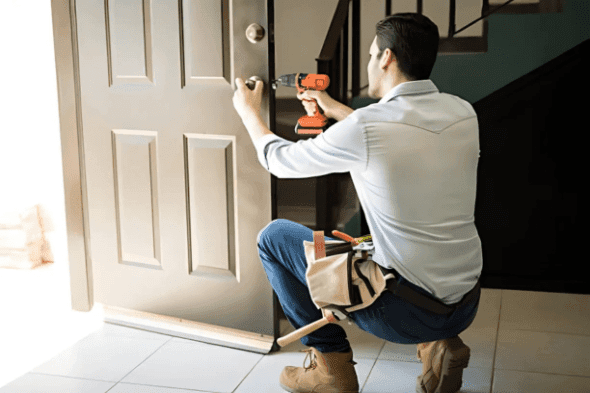
On the scheduled day, the locksmith will arrive at the property at the appointed time, usually alongside law enforcement. After verifying the court order, the locksmith will:
- Assess the locks and determine the best method for entry
- Open the door(s) as quickly and non-destructively as possible
- Replace or rekey the locks to prevent re-entry by former occupants
- Provide new keys to the property owner or manager
Throughout the process, the locksmith maintains a professional demeanor and works efficiently to minimize disruption.
Additional Security Considerations After an Eviction
Once the property is secured, it’s a good opportunity to review overall security. Upgrading to high-security locks, installing deadbolts, or adding smart lock systems can help prevent future unauthorized access. If you need guidance on other lock-related issues, such as fixing file cabinet locks, our how to fix file cabinet lock resource offers step-by-step advice.
Frequently Asked Questions
Is it legal for a landlord to change the locks after an eviction?
Yes, once a court order has been issued and law enforcement is present, landlords are permitted to change the locks. However, attempting to do so before the legal process is complete can result in penalties. Always use a licensed locksmith for eviction services to ensure compliance with local laws.
What documents does a locksmith need before performing an eviction lock change?
The locksmith will require a copy of the court order or writ of possession. This document proves that the eviction is authorized and protects both the landlord and locksmith from legal liability.
How much does it cost to hire a locksmith for an eviction?
Costs vary depending on location, lock type, and the complexity of the job. Most locksmiths provide a written estimate after assessing the situation. It’s important to confirm pricing and included services before the eviction date.
By working with a qualified professional, property owners can ensure that eviction lock changes are handled lawfully, efficiently, and with respect for all parties involved. Choosing a licensed locksmith for eviction services is the best way to protect your property and your legal interests throughout the eviction process.