The locksmith industry is constantly evolving, with new security technologies, regulations, and customer needs shaping the profession. For those holding a license, staying current is not just a matter of compliance—it’s essential for delivering quality service and maintaining trust. Licensed locksmith continuing training courses provide a pathway for professionals to keep their skills sharp, learn about the latest advancements, and meet legal or industry requirements.
Whether you’re a seasoned technician or new to the trade, understanding the landscape of ongoing education can help you make informed decisions about your career. This article explores the types of training available, how to choose the right courses, and the benefits of ongoing learning for locksmiths.
For those interested in specialized topics, such as licensed locksmith key duplication rules, there are targeted resources that complement general continuing education and help professionals stay compliant with local laws.
Why Ongoing Education Matters for Locksmiths
The security field is not static. New lock designs, electronic access systems, and legal standards are introduced regularly. Continuing training courses for licensed locksmiths ensure that professionals remain up to date with these changes. Many jurisdictions require proof of ongoing education to renew a locksmith license, making it a legal necessity as well as a professional advantage.
Beyond compliance, ongoing learning offers several benefits:
- Enhanced technical skills: Training covers new lock technologies, safe manipulation, automotive systems, and digital security.
- Improved customer service: Up-to-date knowledge allows locksmiths to offer better solutions and advice to clients.
- Career advancement: Specialized certifications can open doors to higher-paying jobs or business opportunities.
- Risk reduction: Understanding current regulations and best practices helps minimize legal and liability risks.
Types of Locksmith Continuing Training Programs
There is a wide range of continuing education options for locksmiths, from short workshops to in-depth certification programs. The right choice depends on your licensing requirements, career goals, and areas of interest.
State-Mandated Training and License Renewal
Many states require licensed locksmiths to complete a set number of training hours or credits every renewal period. These courses often focus on legal updates, ethics, and safety. It’s important to verify that any course you choose is approved by your local licensing authority.
Technical Skills and Specialty Certifications
Locksmiths can pursue advanced training in areas such as:
- Electronic and digital lock systems
- Safe opening and repair
- Automotive locksmithing
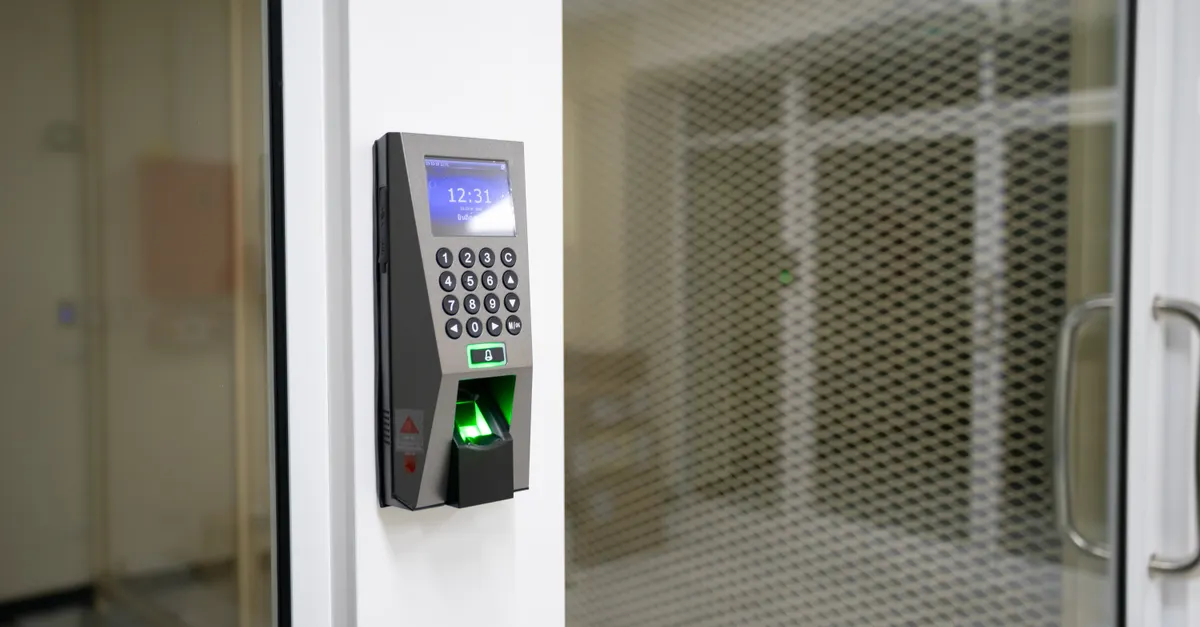
- Access control and security integration
- Restricted key systems (see more in our licensed locksmith restricted key systems resource)
These programs may lead to certifications from industry organizations, which can enhance your professional reputation and marketability.
Online and In-Person Learning Options
Training is available in both online and classroom formats. Online courses offer flexibility and convenience, while in-person workshops provide hands-on experience and networking opportunities. Some locksmith associations and manufacturers also offer webinars and product-specific training.
How to Choose the Right Locksmith Training Course
Selecting the best continuing education course for locksmiths involves several considerations:
- Accreditation: Ensure the course is recognized by your state licensing board or a reputable industry association.
- Relevance: Choose topics that align with your current work or future goals, such as digital lock installation or safe servicing.
- Format: Decide whether you prefer self-paced online learning or hands-on, in-person instruction.
- Instructor qualifications: Look for trainers with real-world experience and industry credentials.
- Reviews and outcomes: Check feedback from past participants and verify that the course delivers practical, up-to-date knowledge.
For those interested in expanding into digital security, our licensed locksmith digital lock services guide provides further insights.

Key Topics Covered in Ongoing Locksmith Education
The curriculum for licensed locksmith continuing training courses is broad, reflecting the diversity of the profession. Common areas of study include:
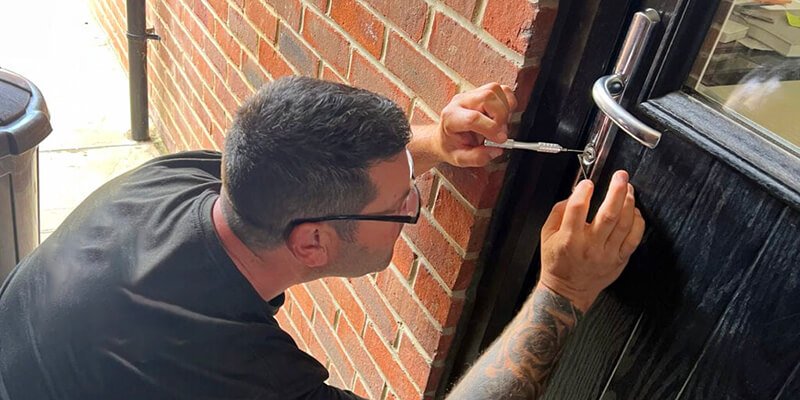
- Lock picking and bypass techniques (with a focus on legal and ethical considerations)
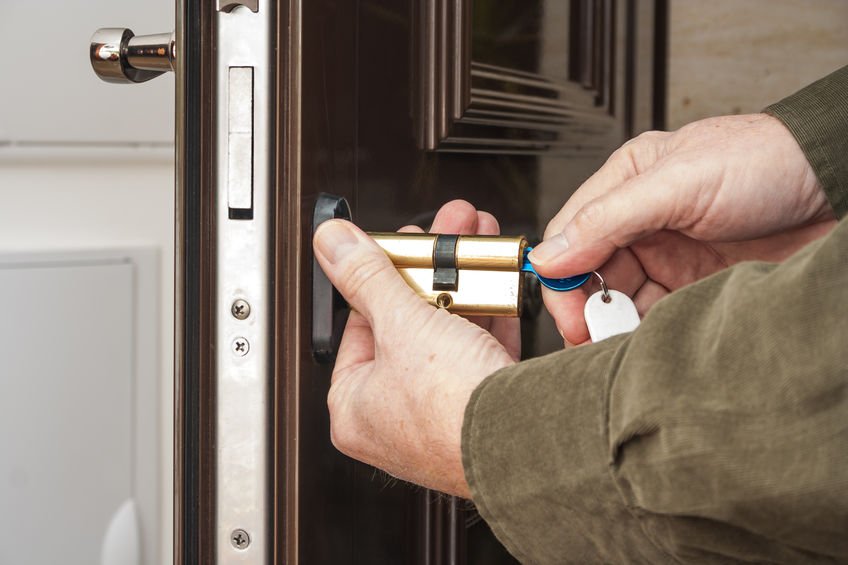
- Installation and servicing of mechanical and electronic locks
- Safe manipulation and repair
- Automotive lock and key systems
- Access control systems and integration (see our licensed locksmith access control systems article for more details)
- Security assessments and risk management
- Customer service and business ethics
- Local and federal regulations affecting locksmiths
Many courses also address emerging technologies, such as smart locks and IoT-enabled security devices, ensuring locksmiths are prepared for future challenges.
Verifying Course and Provider Credentials
Not all training providers are created equal. Before enrolling, it’s important to confirm that the course is recognized by your licensing authority and that the provider has a solid reputation. For more information on ensuring your locksmith is properly qualified, see this guide to verifying locksmith credentials.
Professional associations like the Associated Locksmiths of America (ALOA) and state locksmith organizations often maintain lists of approved courses and trainers. These resources can help you avoid unaccredited programs that may not count toward license renewal.
Benefits of Investing in Ongoing Locksmith Training
Committing to regular education offers both immediate and long-term rewards for locksmiths:
- Compliance: Meet state and local requirements for license renewal.
- Competitive edge: Stay ahead of industry trends and offer in-demand services.
- Professional credibility: Demonstrate a commitment to quality and ethical standards.
- Expanded services: Gain the skills needed to work with advanced security systems and new technologies.
- Networking: Connect with peers, manufacturers, and industry leaders through workshops and seminars.
Frequently Asked Questions
How often do locksmiths need to complete continuing education?
The frequency depends on state regulations. Many states require licensed locksmiths to complete a set number of training hours every one to three years, usually tied to the license renewal cycle. Always check with your local licensing authority for specific requirements.
Are online locksmith training courses accepted for license renewal?
In many cases, online courses are accepted as long as they are accredited by the relevant state board or a recognized industry association. It’s important to verify acceptance before enrolling, as some jurisdictions may require in-person training for certain topics.
What topics are most important for ongoing locksmith education?
Key areas include updates on legal regulations, new lock and security technologies, safe servicing, and customer service best practices. Specialty areas like digital locks, access control, and automotive locksmithing are also valuable for those looking to expand their expertise.
How can I confirm a training provider is legitimate?
Look for accreditation from state licensing boards or reputable industry organizations. Check reviews, ask for references, and consult professional associations for lists of approved providers.