
Staying compliant as a locksmith is essential for both legal operation and building trust with clients. Regulations and licensing requirements can vary by region, but there are universal standards every professional should follow. This guide outlines the critical steps and documentation needed to meet industry standards, helping you avoid costly mistakes and maintain a reputable business. Whether you’re an established locksmith or just starting out, understanding the essentials of a licensed locksmith compliance checklist is key to your ongoing success.
For those interested in specialized topics, such as key duplication rules, you may find the licensed locksmith key duplication rules resource helpful.
Understanding Locksmith Licensing and Certification
The foundation of compliance in the locksmith industry is proper licensing and certification. Most regions require locksmiths to obtain a license before offering services to the public. This process typically includes background checks, proof of training, and sometimes passing an exam.
Licensing demonstrates that a locksmith has met minimum standards of competency and ethics. It also reassures customers that the professional is accountable to regulatory bodies. For more on what to look for in a trusted provider, see this comprehensive explanation of locksmith certification and licensing.
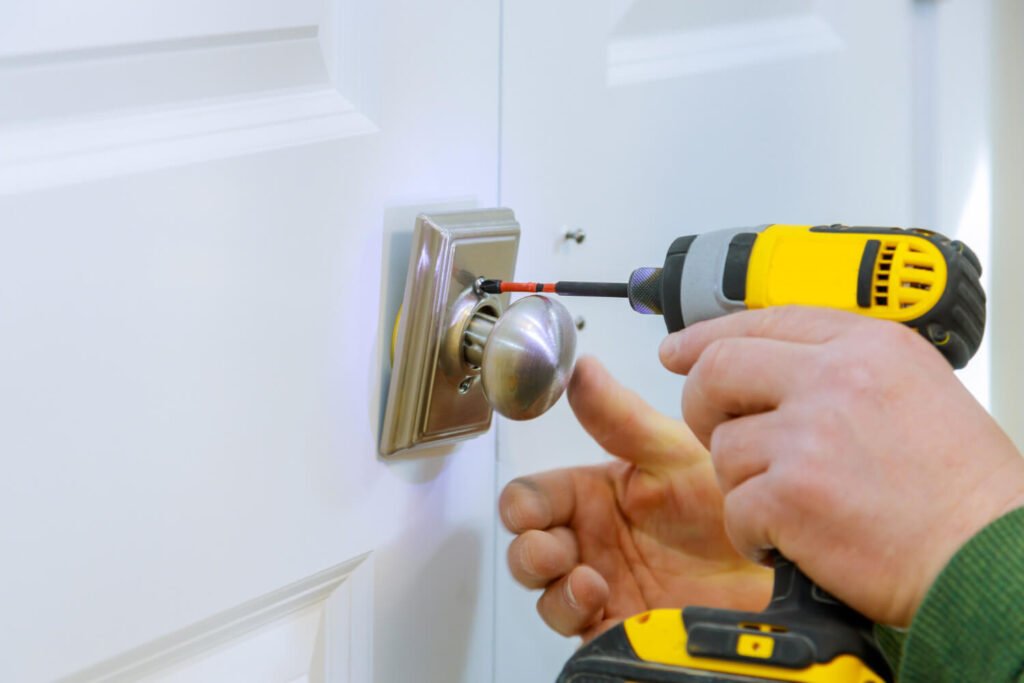
Key Elements of a Locksmith Compliance Checklist
A well-structured licensed locksmith compliance checklist helps ensure that all legal and ethical requirements are met. Below are the most important elements to include:
- Valid License: Always keep your locksmith license current. Renew it before expiration and display it as required by law.
- Background Screening: Many jurisdictions require criminal background checks. This not only fulfills legal obligations but also builds customer trust. Learn more about this process in our licensed locksmith background screening article.
- Insurance Coverage: Maintain adequate liability insurance to protect yourself and your clients in case of accidents or damages.
- Training and Certification: Stay up to date with the latest industry practices by completing ongoing training and obtaining relevant certifications.
- Record Keeping: Keep detailed records of all jobs, including customer information, services performed, and payment details. This is crucial for audits and dispute resolution.
- Equipment Maintenance: Regularly inspect and maintain your tools and equipment to ensure safe and effective operation.
- Adherence to Key Duplication Laws: Follow all regulations regarding key duplication, especially for restricted or high-security keys.
- Data Privacy: Protect customer information and comply with data protection regulations.
Documentation and Record-Keeping Best Practices
Proper documentation is a core part of any locksmith compliance checklist. Accurate records not only support legal compliance but also help in managing your business efficiently. Key documents to maintain include:
- License and Certification Copies: Store digital and physical copies for quick reference.
- Insurance Policies: Keep up-to-date records of all insurance documents.
- Service Logs: Document every job, including date, time, location, and type of service provided.
- Customer Consent Forms: Obtain and file written consent for services, especially for lockouts or security upgrades.
- Invoices and Receipts: Maintain organized records of all financial transactions.
Staying Up to Date with Industry Standards
The locksmith industry is constantly evolving, with new technologies and regulations emerging regularly. Staying informed about changes in licensing laws, security standards, and best practices is vital for ongoing compliance.
Consider joining professional associations, subscribing to industry publications, and attending relevant workshops or seminars. These resources can provide updates on legal requirements and introduce new tools or techniques that improve service quality.
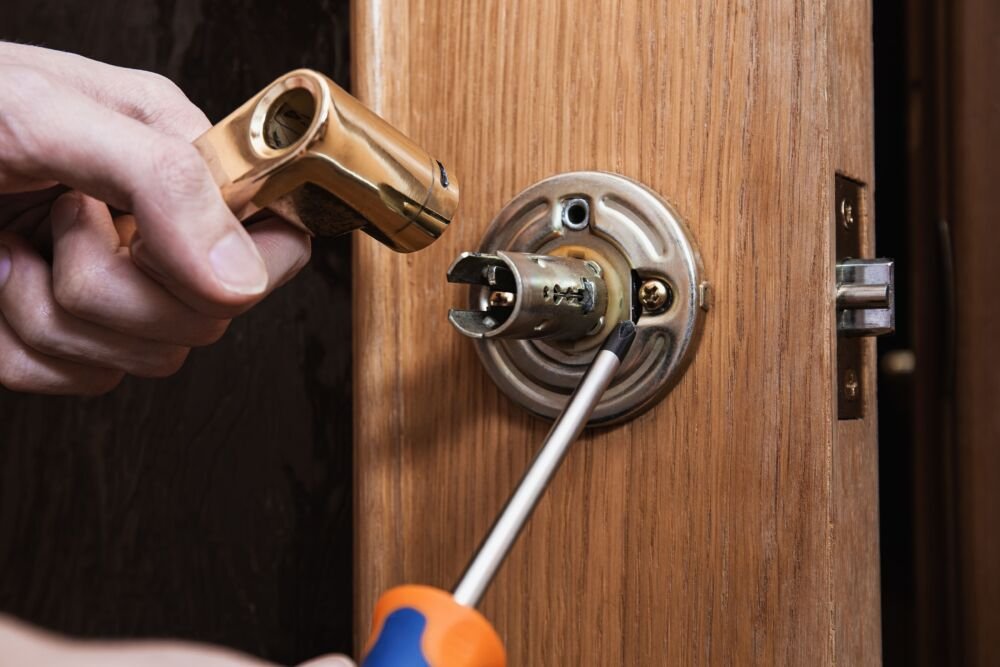
Specialized Compliance Areas for Locksmiths
Beyond the basics, there are specialized compliance areas that professionals should be aware of. For example, those working with digital locks or access control systems must understand additional regulations and technical standards. Our licensed locksmith digital lock services and licensed locksmith access control systems guides provide more detail on these topics.
Additionally, handling restricted key systems requires strict adherence to manufacturer and legal guidelines. For a deeper dive, see our resource on licensed locksmith restricted key systems.
Common Compliance Mistakes and How to Avoid Them
Even experienced professionals can overlook certain aspects of compliance. Common mistakes include letting licenses lapse, failing to update insurance, or neglecting proper documentation. To avoid these pitfalls:
- Set reminders for license and insurance renewals.
- Regularly review your locksmith compliance checklist and update it as regulations change.
- Conduct periodic audits of your records and procedures.
- Seek professional advice or legal counsel when in doubt.
FAQ
What documents should a locksmith keep for compliance?
Essential documents include copies of your license, certifications, insurance policies, service logs, customer consent forms, and financial records such as invoices and receipts. Keeping these organized ensures you are prepared for audits and can resolve disputes efficiently.
How often should a locksmith renew their license and insurance?
Renewal periods vary by region, but it is common to renew licenses and insurance annually or biennially. Always check local regulations and set reminders to avoid lapses in compliance.
Are background checks mandatory for locksmiths?
In many areas, background checks are a legal requirement for obtaining and renewing a locksmith license. They help ensure trustworthiness and protect clients. Check with your local licensing authority for specific requirements.