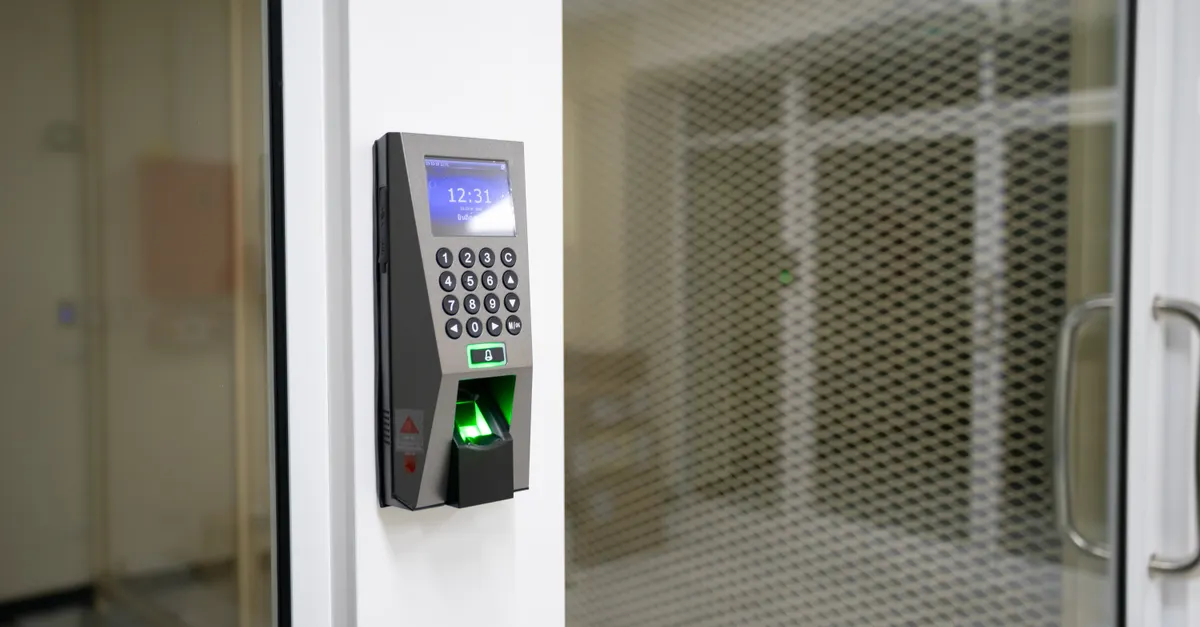
Modern vehicles increasingly rely on keyless entry systems for convenience and ease of use. While these systems offer seamless access and push-button starts, they also introduce new security challenges for drivers. Understanding how to protect yourself and your car is essential in an age where digital threats are as real as physical ones. This article explores practical ways to keep your vehicle secure, minimize risks, and make the most of your keyless technology.
As keyless entry becomes standard, so do the tactics used by thieves to exploit vulnerabilities. Staying informed and proactive is the best way to safeguard your vehicle. For those interested in the broader context of automotive security, the licensed locksmith service transparency rules provide additional insights into professional standards and best practices.
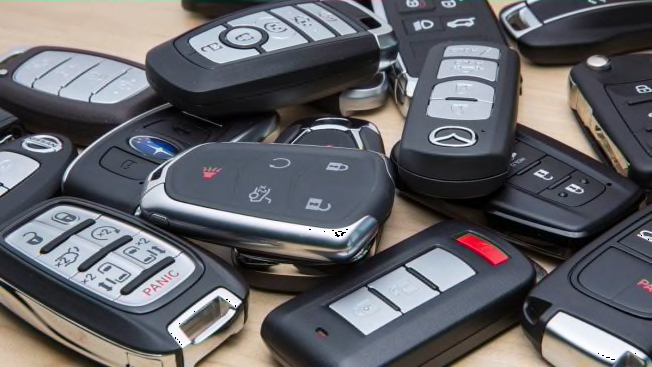
Understanding How Keyless Entry Systems Work
Keyless entry systems use radio frequency identification (RFID) or similar wireless technology to communicate between your car and its fob. When you approach your vehicle, the fob sends a coded signal to unlock the doors or enable the ignition. This convenience, however, comes with potential risks if the signal is intercepted or duplicated by unauthorized parties.
The technology behind these systems is constantly evolving, but so are the methods used by criminals. Relay attacks, signal jamming, and code grabbing are just a few of the techniques that can compromise your car’s security. Being aware of how your system operates is the first step toward effective protection.
Common Threats to Keyless Entry Security
As vehicles become more connected, the threats to their security also increase. Here are some of the most common risks associated with keyless entry systems:
- Relay Attacks: Thieves use relay devices to capture the signal from your fob, even if it’s inside your home, and transmit it to your car to unlock or start it.
- Signal Jamming: Criminals can block the communication between your fob and vehicle, preventing it from locking properly and leaving your car vulnerable.
- Code Grabbing: Some devices can intercept and record the code transmitted by your fob, allowing unauthorized access later.
- Physical Theft: Losing your fob or having it stolen gives thieves direct access to your vehicle.
Essential Tips for Keyless Entry Protection
To minimize risks and keep your vehicle secure, consider these practical keyless entry safety tips:
- Store Your Fob Safely: Keep your key fob away from doors and windows. Store it in a metal box or a signal-blocking pouch (Faraday pouch) to prevent relay attacks.
- Double-Check Locking: Always confirm that your car is locked by physically checking the door rather than relying solely on the fob’s signal.
- Disable Passive Entry: If your vehicle allows, turn off the passive entry feature so the fob must be physically pressed to unlock the car.
- Update Software: Regularly check for manufacturer software updates that address security vulnerabilities in your car’s system.
- Be Aware of Your Surroundings: If you notice suspicious activity or interference when locking your car, move to a different location and alert authorities if necessary.
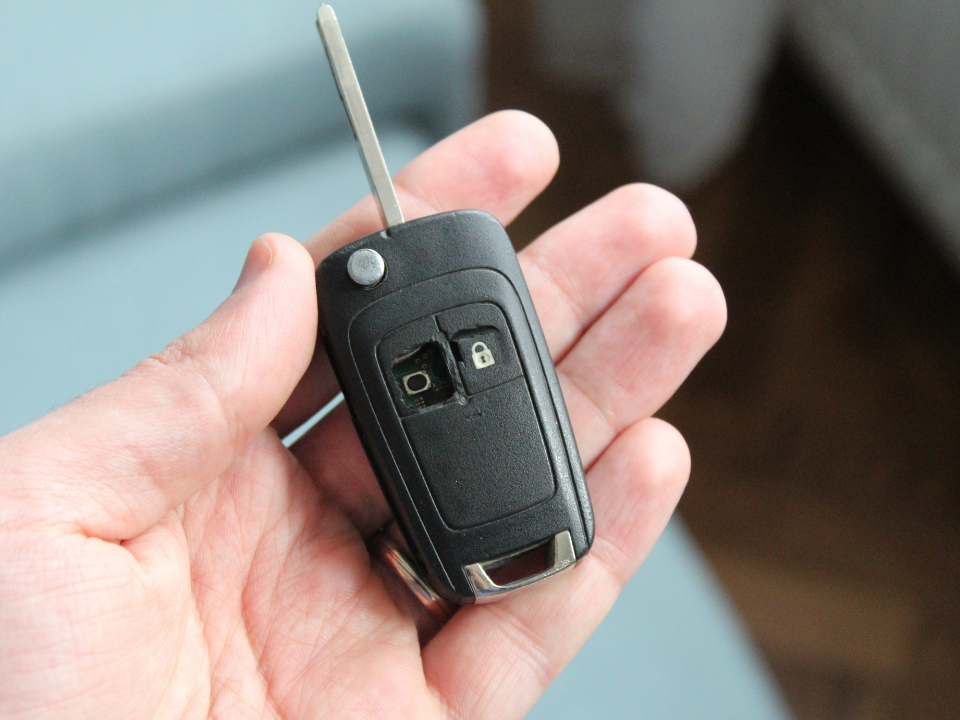
Advanced Strategies for Enhanced Security
Beyond the basics, there are additional steps you can take to further protect your vehicle from digital and physical threats:
- Install a Steering Wheel Lock: Visible deterrents make your car less attractive to thieves, even if they manage to unlock it.
- Use Aftermarket Immobilizers: These devices require a secondary authentication step before the car will start, adding an extra layer of defense.
- Park in Well-Lit Areas: Thieves are less likely to target vehicles in visible, busy locations.
- Monitor for Recalls: Stay informed about any recalls or security advisories related to your vehicle’s keyless system.
For a deeper understanding of the different types of automotive keys and their respective security features, you can refer to this comprehensive guide to automotive keys.
What to Do If Your Keyless Entry System Is Compromised
If you suspect your vehicle’s keyless system has been hacked or your fob is lost or stolen, act quickly:
- Contact Your Dealer: They can help reprogram your vehicle to prevent unauthorized access.
- Change Locks or Fobs: Replacing or reprogramming your fob ensures previous codes are invalid.
- File a Police Report: If theft is involved, notify local authorities and your insurance provider.
- Consult a Professional Locksmith: For expert help, seek out a reputable locksmith who understands modern vehicle security. For more on preparedness, the licensed locksmith emergency preparedness guide offers valuable advice.
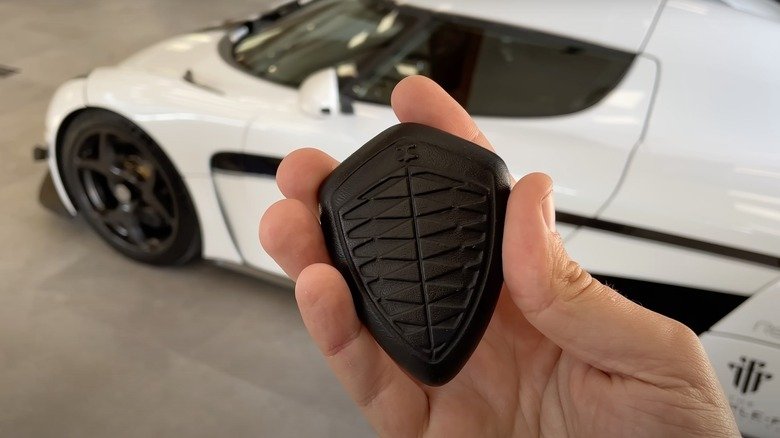
Maintaining Good Habits for Ongoing Protection
Consistency is key when it comes to vehicle security. Make a habit of reviewing your protective measures regularly and updating them as needed. Stay informed about new threats and solutions as technology evolves. If you’re dealing with insurance claims related to vehicle theft or damage, resources like the licensed locksmith documentation for insurance can help you navigate the process smoothly.
Frequently Asked Questions
How can I prevent relay attacks on my car’s keyless system?
To reduce the risk of relay attacks, store your fob in a Faraday pouch or a metal container that blocks wireless signals. Avoid leaving your fob near entry points like doors or windows, and consider disabling passive entry features if your vehicle allows.
Is it safe to rely solely on my car’s keyless entry for security?
While keyless entry systems are convenient, they should not be your only line of defense. Combine electronic security with physical measures such as steering wheel locks and always double-check that your vehicle is locked before walking away.
What should I do if my key fob is lost or stolen?
If your fob goes missing, contact your dealer or a professional locksmith immediately to have your vehicle’s system reprogrammed. This will prevent the lost or stolen fob from being used to access your car.
Are aftermarket immobilizers effective for keyless vehicles?
Yes, aftermarket immobilizers add an extra layer of protection by requiring a secondary authentication step before the vehicle can be started. They are especially useful for deterring thieves who may have bypassed the keyless system.
Where can I find more information on the different types of car keys?
For a detailed overview of various automotive keys and their security features, refer to this comprehensive guide to automotive keys.