Modern vehicles rely on wireless entry and ignition systems for convenience, but these same features can introduce risks if not managed carefully. As keyless technology becomes the norm, understanding how to protect your key fob privacy and security is essential for anyone who wants to keep their car and personal information safe. This article covers practical steps, common threats, and expert advice to help you safeguard your wireless car keys from theft and digital intrusion.
Whether you drive a brand-new vehicle or an older model with remote entry, it’s important to recognize the vulnerabilities and take proactive measures. We’ll explore how criminals exploit wireless systems, what you can do to minimize risks, and why small changes in your daily habits can make a big difference. For those interested in the technical side, you can also learn about what frequency do key fobs use and how this affects both convenience and safety.
Understanding Wireless Car Key Risks
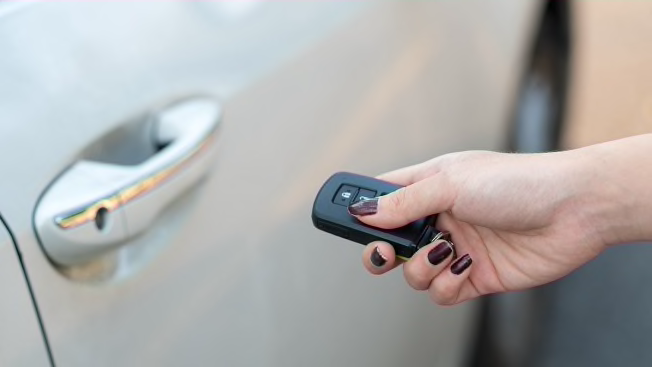
Wireless entry systems, including smart keys and remote fobs, communicate with your vehicle using radio frequencies. While these systems are designed for convenience, they can be vulnerable to several types of attacks. Criminals have developed tools to intercept or amplify the signal from your fob, potentially unlocking or even starting your car without your knowledge.
- Relay attacks: Thieves use signal amplifiers to extend the range of your key fob, tricking your car into thinking the key is nearby.
- Code grabbing: Some devices can capture the code sent by your fob and replay it later to gain unauthorized access.
- Physical theft: Losing your key fob or leaving it in an insecure location can also put your vehicle at risk.
Understanding these threats is the first step toward better key fob privacy and security. By recognizing how these attacks work, you can take targeted steps to defend against them.
Best Practices for Protecting Your Key Fob
There are several straightforward actions every driver can take to enhance the safety of their wireless car keys. These habits can significantly reduce the risk of theft or unauthorized access.
- Store your key fob in a signal-blocking pouch or box. Faraday pouches or containers prevent radio signals from reaching your fob, making relay attacks much harder.
- Keep your key fob away from entry points. Don’t leave your keys near doors or windows, where thieves can easily amplify the signal from outside your home.
- Disable passive entry features when not needed. Some vehicles allow you to turn off always-on wireless entry, reducing the risk of remote attacks.
- Regularly update your vehicle’s software. Manufacturers often release updates that patch known vulnerabilities in keyless entry systems.
- Be mindful of spare keys. Store spare fobs securely and never leave them inside your vehicle.
How Criminals Exploit Wireless Entry Systems
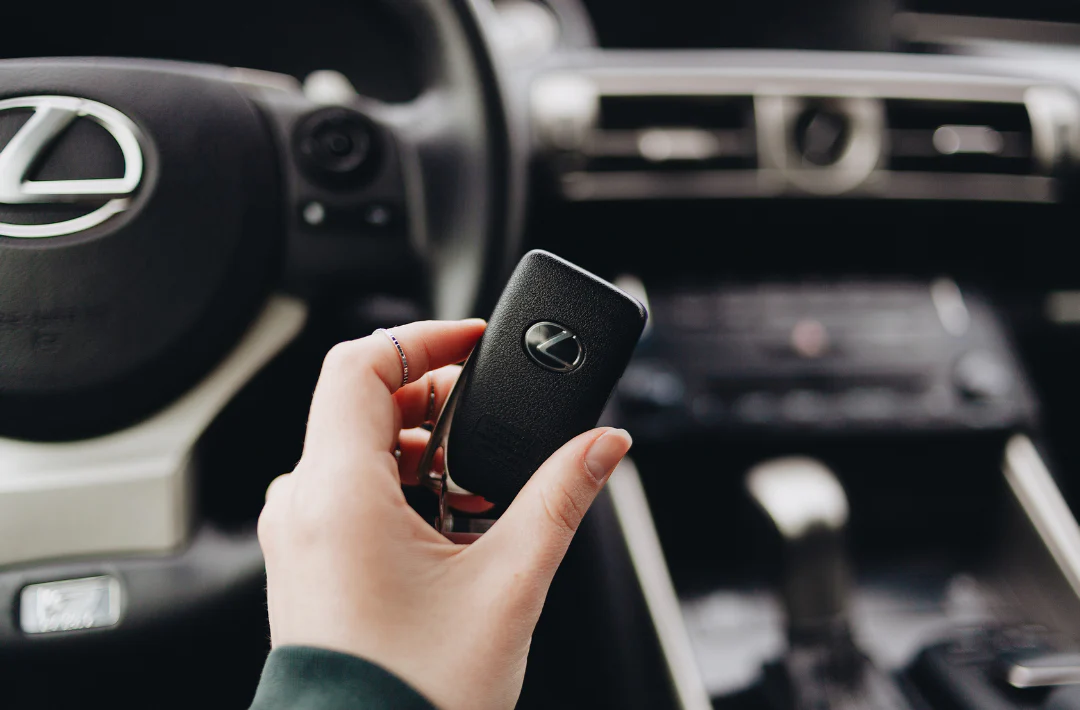
Thieves have become increasingly sophisticated in targeting vehicles with wireless entry. By using inexpensive electronic devices, they can intercept or boost the signal from your key fob, even if it’s inside your house. This technique, known as a relay attack, allows them to unlock and sometimes start your car within seconds.
In some cases, attackers use code grabbers to record the signal when you press your fob’s button. While modern systems use rolling codes to prevent replay attacks, older or less secure models may still be vulnerable. To learn more about the technology behind these systems, check out this detailed guide on does a key fob use bluetooth and how wireless tech impacts your vehicle’s security.
Maintaining Key Fob Security: Additional Tips
Beyond the basics, there are a few more steps you can take to further protect your vehicle and personal data:
- Change your habits: Always double-check that your car is locked, even if you’re using remote entry. Some thieves use jammers to block the locking signal, leaving your car open without your knowledge.
- Monitor for recalls and updates: Stay informed about your vehicle’s software and hardware. Manufacturers sometimes issue recalls for vulnerabilities in keyless systems.
- Replace key fob batteries regularly: A weak battery can make your fob more susceptible to interference or malfunction. For more information, see this resource on do key fobs use batteries and how to maintain optimal performance.
- Consider aftermarket security devices: Steering wheel locks, car alarms, and GPS trackers provide extra layers of protection.
Choosing the Right Key Fob and Vehicle Security Features
Not all wireless car keys are created equal. Some offer advanced encryption and anti-theft features, while others are more basic. When shopping for a new vehicle or replacement fob, consider the following:
- Encryption level: Look for fobs that use rolling codes or advanced encryption to prevent code grabbing.
- Physical security: Some keys include mechanical backup options or require physical proximity to start the engine.
- Compatibility with aftermarket security: Ensure your vehicle supports additional alarms or immobilizers.
For a deeper comparison of different types of car keys and their security features, visit this comprehensive guide to car key types.
Staying Informed and Adapting to New Threats
As technology evolves, so do the methods used by criminals. Stay up to date with the latest news on vehicle security and consider subscribing to alerts from your manufacturer. If you’re interested in the differences between traditional and modern systems, this article on key fob vs smart key covers how convenience and safety measures have changed over time.
Remember, the most effective defense is a combination of technology and vigilance. By staying aware and adopting the best practices outlined above, you can significantly improve your key fob privacy and security and reduce the risk of theft or unauthorized access.
Frequently Asked Questions
How can I tell if my key fob is vulnerable to relay attacks?
Most wireless entry systems that allow you to unlock or start your car without pressing a button are potentially susceptible to relay attacks. If your vehicle unlocks simply by approaching with the fob in your pocket, it’s a good idea to use a Faraday pouch and keep your keys away from entry points at home.
What should I do if I lose my key fob?
If you lose your wireless car key, contact your dealership or a trusted locksmith immediately. They can deactivate the lost fob and program a new one, preventing unauthorized access to your vehicle.
Are aftermarket security devices worth it?
Yes, adding extra security measures such as steering wheel locks, alarms, or GPS trackers can deter thieves and provide peace of mind. These devices work alongside your keyless entry system to create multiple barriers against theft.