Modern vehicles often use keyless entry systems for convenience and security, but these systems also raise concerns about potential vulnerabilities. Many drivers wonder if their wireless key fob signals can be intercepted or copied by thieves, leading to unauthorized access or even vehicle theft. Understanding how these systems work, the risks involved, and the best ways to protect yourself is essential for any car owner.
This article explores how criminals might exploit wireless entry systems, what you can do to minimize your risk, and how to recognize the signs of signal theft. If you’re interested in the broader context of locksmith regulations and best practices, you may also want to review the licensed locksmith service transparency rules for additional insights into professional standards.
How Wireless Key Fobs Work
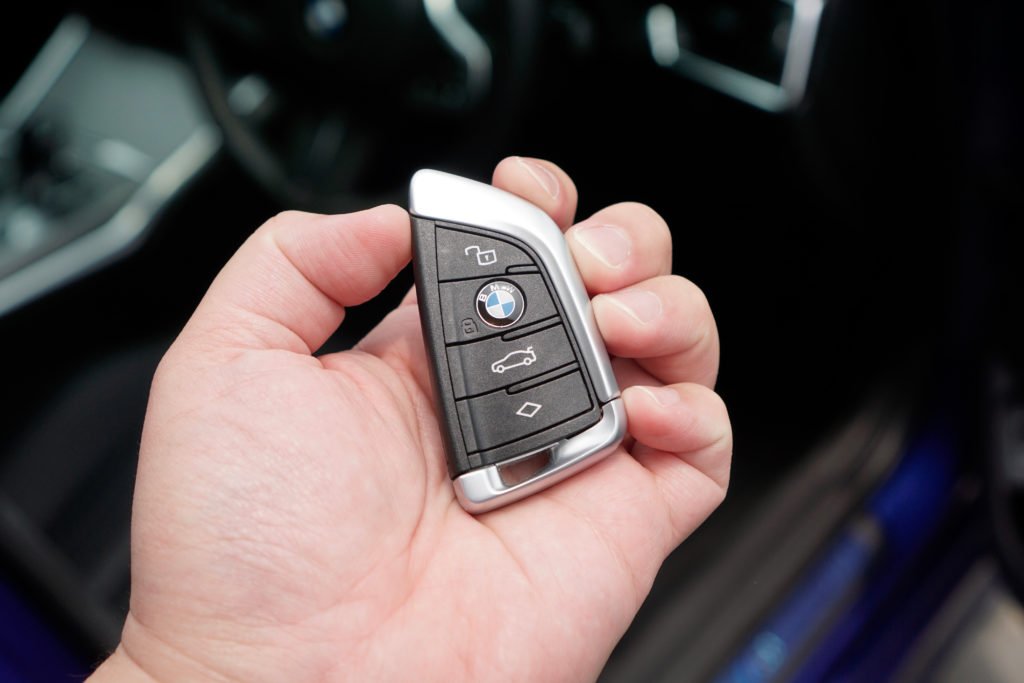
Keyless entry fobs use radio frequency identification (RFID) or similar wireless technologies to communicate with your vehicle. When you approach your car, the fob sends a unique encrypted signal to the vehicle’s receiver, allowing you to unlock doors or start the engine without inserting a physical key. This technology is designed for both convenience and enhanced security, but it also introduces new attack surfaces for tech-savvy criminals.
Understanding Signal Theft: Relay Attacks and Cloning
The most common method used by thieves to exploit wireless entry systems is called a relay attack. In this scenario, two criminals work together using electronic devices. One stands near the car owner (for example, outside their home or in a parking lot) and captures the fob’s signal. The device then relays this signal to a second device held by an accomplice near the vehicle, effectively tricking the car into thinking the fob is nearby. The car unlocks, and the thief can drive away.
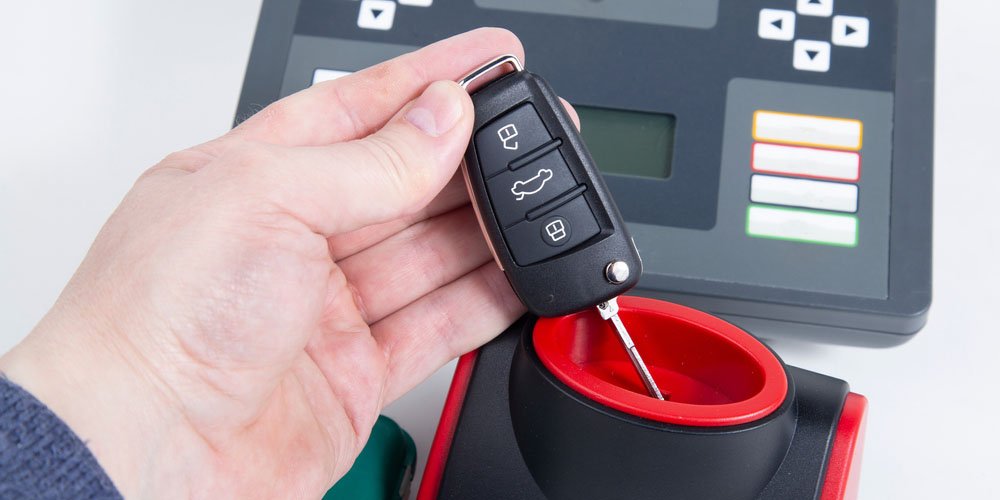
Another risk is signal cloning, where criminals use specialized equipment to intercept and record the fob’s transmission. If the encryption is weak or outdated, they may be able to duplicate the signal and use it to access the vehicle later. While modern systems use rolling codes and advanced encryption to prevent simple copying, some older or lower-end models remain vulnerable.
Can Thieves Really Intercept Your Key Fob Signal?
While it’s not as simple as pressing a button, determined criminals with the right equipment can indeed capture and relay or clone wireless signals from keyless entry systems. The process typically requires proximity to both the key fob and the vehicle, as well as specialized relay devices or hacking tools. High-profile cases and police reports confirm that this method has been used in real-world vehicle thefts, especially in urban areas.
However, not all vehicles are equally at risk. Manufacturers have responded to these threats by introducing stronger encryption, rolling codes, and other security measures. Newer vehicles are generally more resistant to these attacks, but no system is entirely immune. Staying informed about your specific car model’s vulnerabilities can help you take appropriate precautions.
Warning Signs and Prevention Tips
There are several signs that your car’s wireless entry system may have been targeted. If you notice your vehicle unlocking unexpectedly, or if you find evidence of tampering around the doors or ignition, it’s important to investigate further. Unexplained draining of your key fob’s battery can also indicate that someone is attempting to capture its signal.
- Store your key fob in a signal-blocking pouch or metal container (often called a Faraday pouch) when not in use.
- Keep your fob away from doors and windows at home to reduce the risk of signal interception from outside.
- Disable passive entry features if your vehicle allows, so the fob only transmits when a button is pressed.
- Update your vehicle’s firmware regularly to ensure the latest security patches are installed.
- Consider additional security devices such as steering wheel locks or aftermarket alarms.
How to Protect Your Vehicle from Key Fob Signal Theft
Taking proactive steps can greatly reduce the risk of unauthorized access. Here are some practical measures:
- Use a Faraday Container: Storing your key fob in a Faraday pouch or box blocks electromagnetic signals, making it nearly impossible for thieves to relay or intercept the transmission.
- Check for Software Updates: Many manufacturers release security updates for their vehicles. Consult your dealer or manufacturer’s website to ensure your car’s system is up to date.
- Disable Keyless Entry (If Possible): Some vehicles allow you to turn off the passive entry feature, so the fob only works when you press a button. This reduces the risk of relay attacks.
- Be Mindful of Where You Store Your Keys: Avoid leaving your keys near entry points at home, such as doors or windows, where signals can be easily captured.
- Install Physical Security Devices: Steering wheel locks, immobilizers, and aftermarket alarms provide an extra layer of protection.
For a comprehensive overview of car key technologies and how they’ve evolved, you can refer to this definitive guide to car keys.
What to Do If You Suspect Signal Theft
If you believe your keyless entry system has been compromised, act quickly. Contact your vehicle manufacturer or dealership to report the incident and inquire about possible software updates or key reprogramming. Notify your insurance provider and local authorities, especially if your vehicle has been stolen or tampered with.
Additionally, consider seeking help from a professional locksmith who is familiar with advanced vehicle security systems. For more information on how locksmiths can assist with insurance claims, you might find the licensed locksmith insurance claim assistance guide helpful.
Frequently Asked Questions
How Common Is Key Fob Signal Theft?
Incidents of keyless entry signal theft have increased in recent years, particularly in urban areas where criminals have access to advanced relay devices. While not every vehicle is equally at risk, it’s a growing concern for owners of cars with wireless entry systems.
Can All Cars With Keyless Entry Be Hacked?
Not all vehicles are equally vulnerable. Newer models often include stronger encryption and rolling codes, making them more resistant to hacking. However, older vehicles or those with outdated security features may be more susceptible to signal interception and relay attacks.
What Is the Most Effective Way to Block Key Fob Signals?
The most reliable method is to store your key fob in a Faraday pouch or metal container when not in use. This prevents any wireless signals from being transmitted or captured, offering strong protection against relay and cloning attacks.
Conclusion
As keyless entry systems become more widespread, so do the methods criminals use to exploit their vulnerabilities. By understanding how these attacks work and taking practical steps to secure your key fob, you can significantly reduce your risk. Stay informed, use protective accessories, and consult with professionals if you have concerns about your vehicle’s security. Proactive measures and awareness are your best defenses against the evolving tactics used by car thieves.