The convenience of modern car key fobs has changed the way we access and secure our vehicles. With just a press of a button, you can unlock your doors, start your engine, and even open your trunk remotely. However, as with any wireless technology, there are growing concerns about the security vulnerabilities of these devices. Many drivers wonder: can key fobs be hacked, and if so, what are the real risks?
Understanding how these devices work and the potential threats they face is essential for every car owner. In this guide, we’ll explore how criminals exploit weaknesses in remote entry systems, what manufacturers are doing to protect you, and the practical steps you can take to reduce your exposure to digital theft.
If you’re experiencing issues with your remote entry device, such as inconsistent locking or unlocking, you might also find it helpful to read about key fob not working after battery change for troubleshooting tips.
How Wireless Entry Devices Work
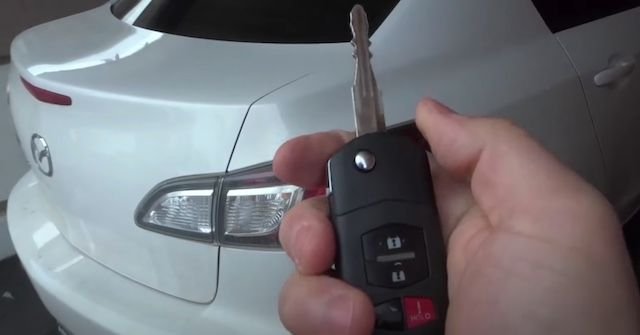
Most modern vehicles use radio-frequency identification (RFID) or similar wireless technology in their remote entry systems. When you press a button on your device, it sends a coded signal to your car’s receiver. If the code matches, the car performs the requested action, such as unlocking the doors or starting the engine.
There are several types of remote entry devices, including traditional remotes, smart keys, and proximity-based systems. Each offers varying levels of convenience and security. For a detailed breakdown of the different types of keys and remotes available, check out this guide to vehicle key types.
Common Methods Used to Hack Key Fobs
The question of can key fobs be hacked is not just theoretical—criminals have developed several techniques to intercept or mimic the wireless signals these devices use. Here are some of the most common methods:
- Relay Attacks: Thieves use two devices to capture the signal from your remote and relay it to your car, tricking it into thinking the key is nearby. This method is especially effective with proximity-based systems.
- Code Grabbing: Older devices that use fixed codes can be vulnerable to code grabbers, which record the signal and replay it later to unlock the vehicle.
- Signal Jamming: Criminals can block the signal from your remote, preventing your car from locking. When you walk away, the thief can then access your unlocked vehicle.
- Key Cloning: Advanced hackers may use specialized equipment to clone the chip inside your remote, giving them a duplicate device.
Real-World Risks and Recent Incidents
Reports of vehicles being stolen using wireless relay attacks have increased in recent years. Criminals often target cars parked in driveways or public lots, using inexpensive equipment to capture and relay signals from inside homes or offices. In many cases, the owner is unaware until their vehicle is gone, as there are no signs of forced entry.
While newer vehicles use rolling codes and encryption to make hacking more difficult, no system is completely immune. Even luxury brands have been affected, with some models being more vulnerable than others due to outdated or poorly implemented security protocols.
How to Protect Your Remote Entry Device
Although the risk of digital theft is real, there are practical steps you can take to reduce your chances of becoming a victim:
- Store your device in a signal-blocking pouch (Faraday bag) when not in use. This prevents thieves from capturing its signal.
- Keep your remote away from doors and windows at home, as criminals often scan for signals from outside.
- Manually check that your vehicle is locked before walking away, especially in public parking areas.
- Update your vehicle’s software regularly, as manufacturers often release patches to address security flaws.
- Consider aftermarket security devices such as steering wheel locks or immobilizers for added protection.
If you need to reset or update your remote, you might find this step-by-step guide on how to reprogram a key fob useful.
What Car Manufacturers Are Doing to Improve Security
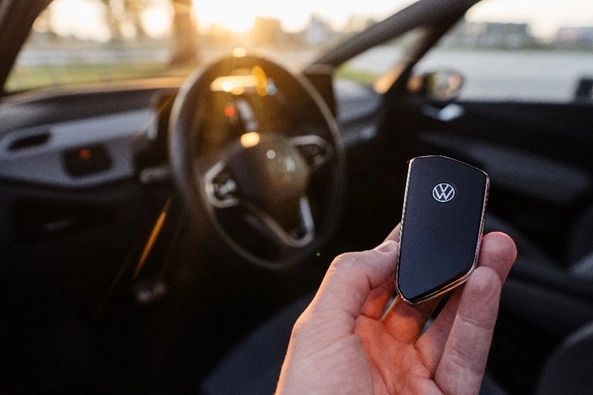
Automakers are aware of the threats facing wireless entry systems and have taken steps to enhance protection. Many new models now use advanced encryption, rolling codes, and proximity authentication to make unauthorized access more difficult. Some brands also offer motion sensors that disable the remote’s signal when it’s not moving, reducing the risk of relay attacks.
It’s important to stay informed about your vehicle’s security features. If you’re unsure about the type of remote your car uses or how to pair a new device, you can learn more from this resource on how to pair a key fob to a car.
Signs Your Key Fob May Have Been Compromised
While it’s not always obvious when a remote entry device has been hacked, there are some warning signs to watch for:
- Your car unlocks or starts unexpectedly.
- The remote stops working or behaves erratically.
- You notice unfamiliar devices or people lingering near your parked vehicle.
- There are unexplained entries in your vehicle’s security logs (if available).
If you suspect your device has been compromised, contact your vehicle manufacturer or a trusted locksmith immediately. For tips on safely opening your remote for inspection or battery replacement, see this article on how to open a key fob.
Frequently Asked Questions
Are All Keyless Entry Systems Vulnerable to Hacking?
While most wireless entry devices have some level of vulnerability, newer models with rolling codes and encryption are much harder to compromise. However, no system is completely immune, so it’s wise to take additional precautions.
What Should I Do If I Think My Key Fob Has Been Hacked?
If you notice suspicious activity, stop using your remote and contact your car manufacturer or a professional locksmith. They can help you reprogram your device or provide a replacement. You may also want to update your vehicle’s software and consider additional security measures.
Can I Reprogram My Key Fob Myself?
In many cases, you can reprogram your remote at home by following the instructions in your owner’s manual or using a trusted online guide. For a detailed walkthrough, visit this resource on how to reprogram a key fob. If you’re unsure, consult a professional to avoid damaging your device.
How Can I Tell If My Car Has the Latest Security Features?
Check your vehicle’s manual or contact your dealership to learn about the security protocols in your model. Many automakers release updates or offer upgrades for older vehicles to improve protection against digital threats.
Conclusion
The convenience of wireless entry devices comes with certain risks, but understanding how these systems work and the methods used by criminals can help you stay one step ahead. By following best practices for storage, regularly updating your vehicle, and staying informed about the latest security features, you can significantly reduce your chances of falling victim to digital theft.
If you ever have concerns about your remote’s security or functionality, don’t hesitate to reach out to a professional locksmith for advice and assistance. Staying proactive is the best way to keep your vehicle and belongings safe.