As technology continues to advance, the way we secure our vehicles, homes, and businesses is evolving rapidly. Biometric key fobs are emerging as a cutting-edge solution, offering enhanced security and convenience compared to traditional keys and even standard electronic fobs. These devices use unique biological characteristics—such as fingerprints or even facial recognition—to grant access, making unauthorized entry significantly more difficult.
For those interested in the latest security trends, understanding how these smart devices work and what sets them apart is essential. This article explores the features, benefits, and considerations of adopting biometric-based access control, helping you determine if this next-generation technology is right for your needs.
Security professionals and consumers alike are paying close attention to the shift toward biometrics. If you want to learn more about industry standards and best practices, the licensed locksmith service transparency rules offer valuable insights into what to expect from reputable providers.
How Biometric Key Fobs Work
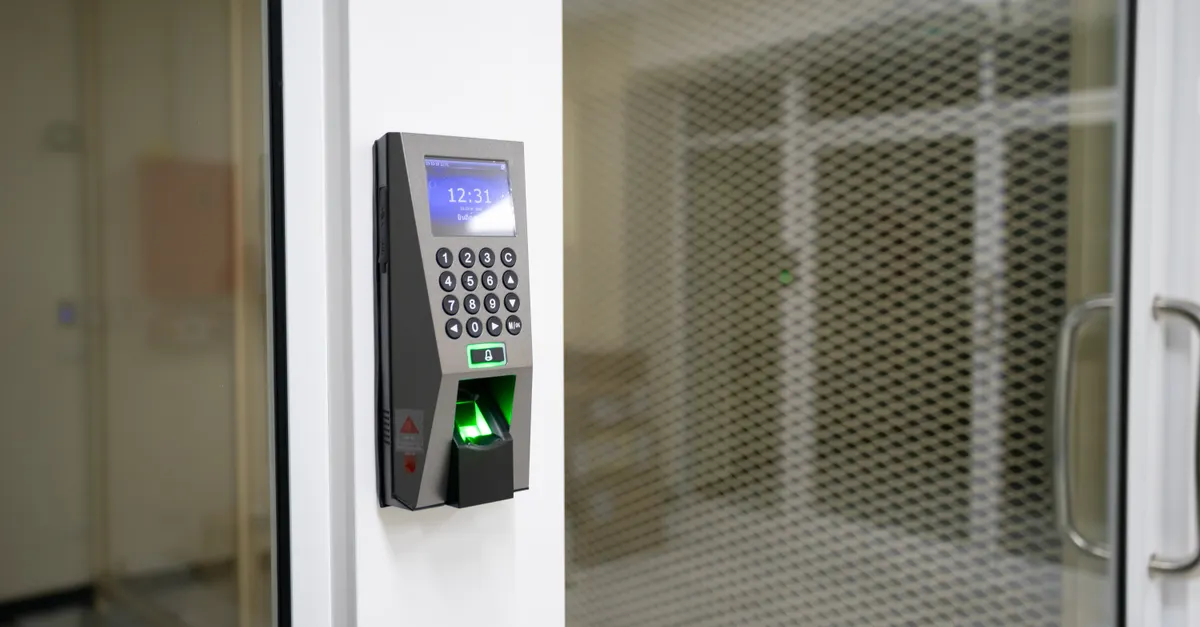
At their core, these advanced fobs integrate biometric sensors—most commonly fingerprint scanners—directly into the device. When a user attempts to unlock a car or door, the sensor reads their fingerprint and compares it to stored data. If the print matches an authorized user, the fob transmits a secure signal to the locking mechanism, granting access.
Some models are expanding beyond fingerprints, incorporating voice recognition or even facial scanning for multi-factor authentication. This layered approach makes it much harder for unauthorized users to bypass security, as they would need to replicate unique biological data.
Advantages Over Traditional and Smart Key Systems
The move from mechanical keys to electronic fobs was a significant leap in convenience, but it also introduced new vulnerabilities such as relay attacks and signal interception. Biometric key fobs address many of these concerns by requiring a physical presence and a unique biometric trait.
- Enhanced Security: Only registered users can activate the fob, reducing the risk of theft if the device is lost or stolen.
- Convenience: No need to remember PINs or carry multiple keys—your fingerprint or face is always with you.
- Reduced Risk of Hacking: Biometric data is typically stored securely on the device, making remote hacking more difficult.
- Audit Trails: Some systems log access attempts, providing a record of who used the fob and when.
Real-World Applications and Use Cases
While automotive security is a primary driver for this technology, the potential applications are broad. Modern vehicles, luxury cars, and high-security facilities are already adopting biometric authentication for entry and ignition. Businesses can use these fobs to control access to sensitive areas, while homeowners may find them useful for smart locks and alarm systems.
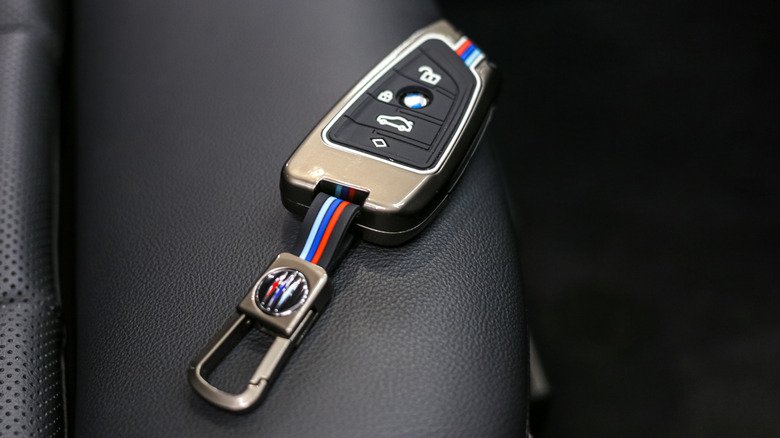
The automotive industry is especially quick to adopt these innovations. For a comprehensive overview of how car keys have evolved, this definitive guide to car keys provides a detailed look at the progression from mechanical to smart and biometric solutions.
Key Features to Look For in Biometric Access Devices
Not all biometric-enabled fobs are created equal. When considering an upgrade, pay attention to these important features:
- Sensor Accuracy: Look for devices with high-quality sensors that minimize false rejections or acceptances.
- Data Security: Ensure biometric data is encrypted and stored locally, not transmitted or stored in the cloud.
- Battery Life: Since these devices are electronic, long battery life and low-power sensors are crucial for reliability.
- Durability: Choose fobs that are water-resistant and built to withstand daily wear and tear.
- Multi-User Support: Some systems allow multiple authorized users, ideal for families or businesses.
Potential Drawbacks and Considerations
While the benefits are significant, there are a few factors to consider before switching to biometric-based fobs:
- Cost: These devices tend to be more expensive than standard key fobs due to the advanced technology involved.
- Privacy Concerns: Storing biometric data, even locally, raises questions about privacy and data protection.
- Environmental Factors: Wet, dirty, or injured fingers can sometimes cause fingerprint sensors to fail, though most modern devices are improving in this regard.
- Backup Access: It’s important to have a backup method (such as a PIN or mechanical key) in case the biometric system fails or the battery dies.
Choosing the Right Biometric Solution for Your Needs
When deciding whether to invest in a biometric-enabled fob, consider your specific security requirements, the number of users, and the environments in which the device will be used. For businesses, compatibility with existing access control systems is also a key factor. Homeowners may prioritize ease of use and integration with smart home platforms.
Consulting with a professional locksmith can help you evaluate your options and ensure a smooth installation. For those navigating insurance or compliance issues, resources like the licensed locksmith insurance claim assistance guide can be invaluable.
Future Trends in Biometric Access Technology
The field of biometric authentication is advancing quickly. Upcoming innovations may include multi-modal systems that combine fingerprints, facial recognition, and even behavioral biometrics for even greater security. Integration with mobile devices and cloud-based management platforms is also on the horizon, making it easier to manage access remotely and securely.
As adoption grows, expect to see more vehicles, homes, and commercial properties relying on these advanced solutions for everyday security.
Frequently Asked Questions
Are biometric key fobs more secure than traditional keys?
Yes, these devices generally offer higher security because they require a unique physical trait—like a fingerprint—to operate. This makes it much harder for unauthorized users to gain access, even if they have the fob itself.
What happens if the biometric sensor fails or the battery dies?
Most systems include backup options such as PIN codes or mechanical keys. It’s important to check that your device has a reliable fallback method before making the switch.
Can multiple people use the same biometric fob?
Many models support multiple users, allowing several fingerprints or other biometric profiles to be stored. This is useful for families, businesses, or anyone needing shared access.
Is my biometric data safe with these devices?
Most reputable manufacturers store biometric data locally on the device and encrypt it, minimizing the risk of data breaches. Always review the privacy policy and security features before purchasing.