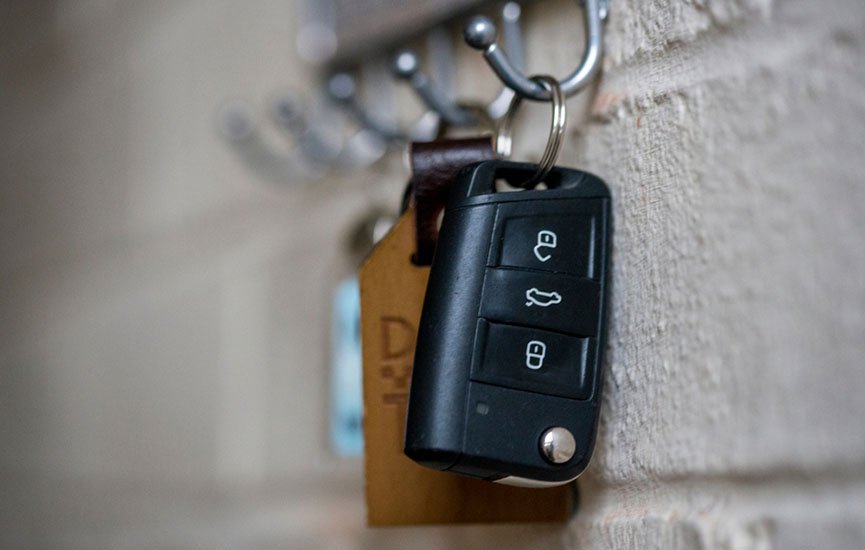
With the increasing use of remote entry and push-button start systems, car key fobs have become an essential part of modern vehicle ownership. When a factory key fob is lost or damaged, many drivers consider purchasing an aftermarket replacement. But are aftermarket key fobs reliable enough to trust with your vehicle’s security and daily convenience? This article explores the pros, cons, and practical realities of choosing non-OEM key fobs, helping you make an informed decision for your car and your peace of mind.
Before diving into the details, it’s important to understand the differences between original equipment manufacturer (OEM) and aftermarket options. We’ll also discuss key factors such as compatibility, security, and cost. If you’re navigating insurance claims or want to know more about locksmith transparency, you may find the licensed locksmith service transparency rules guide useful as well.
Understanding Aftermarket Key Fobs and Their Role
In simple terms, an aftermarket key fob is a replacement device not produced by your vehicle’s original manufacturer. These products are often made by third-party companies and are designed to mimic the functions of OEM fobs—such as locking, unlocking, and remote starting your car. The main appeal of aftermarket options is their lower price and wide availability, especially for older or discontinued vehicle models.
For a deeper dive into how these devices work, you can check out this comprehensive explanation of key fobs and their technology.
How Reliable Are Non-OEM Key Fobs?
The reliability of non-factory key fobs depends on several factors, including the manufacturer’s reputation, the quality of the components, and how well the fob is programmed to your specific vehicle. Here are some key points to consider:
- Build Quality: Aftermarket fobs range from high-quality replicas to cheaply made imitations. Premium third-party brands often use durable plastics and electronics, while low-cost versions may wear out or malfunction quickly.
- Programming and Compatibility: Not all aftermarket fobs are compatible with every car. Some require professional programming, while others may not support advanced features like remote start or proximity unlocking.
- Security: OEM fobs are designed with your car’s security system in mind. Some aftermarket options may lack advanced encryption or rolling code technology, making them potentially less secure against hacking or cloning.
- Warranty and Support: Factory fobs usually come with a warranty and support from the automaker. Aftermarket products may have limited or no warranty, and support can vary widely between brands.
Advantages of Choosing Aftermarket Solutions
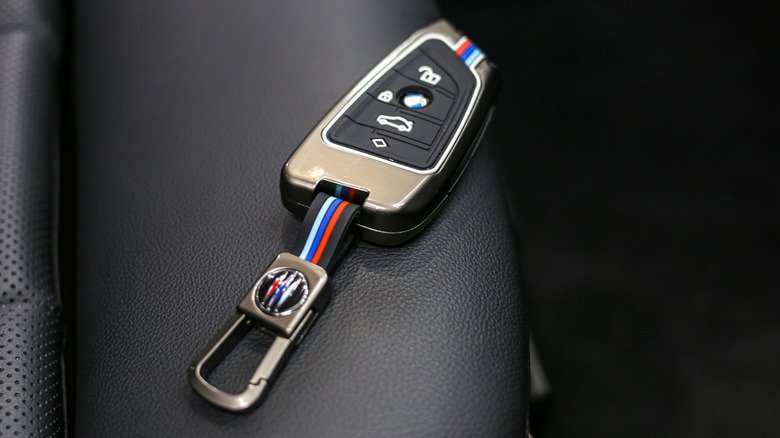
Many drivers are drawn to aftermarket options for several reasons. Here’s why you might consider a non-OEM fob:
- Cost Savings: Aftermarket fobs are typically much less expensive than those purchased from a dealership. This can be especially helpful if you need a quick replacement or a spare.
- Availability: For older vehicles or rare models, OEM fobs may be discontinued or hard to find. Aftermarket suppliers often fill this gap with compatible alternatives.
- Convenience: Many locksmiths and online retailers offer fast shipping and programming services, making it easy to get back on the road quickly.
Potential Drawbacks and Risks
While the benefits are clear, there are also some risks to be aware of when choosing a third-party key fob:
- Inconsistent Quality: Not all aftermarket products are created equal. Some may fail prematurely or lack important features.
- Programming Challenges: Certain vehicles require specialized equipment or codes for programming. If the fob isn’t properly programmed, it may not work—or worse, could disable your car’s security system.
- Security Concerns: Lower-quality fobs may be easier to hack or clone, potentially putting your vehicle at risk.
- No Manufacturer Support: If you run into issues, you may not have access to the same level of support or warranty coverage as with an OEM product.
Tips for Maximizing Reliability with Aftermarket Key Fobs
If you decide to go with a non-factory option, there are steps you can take to ensure the best possible outcome:
- Buy from Reputable Sellers: Choose established retailers or locksmiths with positive reviews and clear return policies.
- Check Compatibility: Verify that the fob is designed for your vehicle’s make, model, and year. Ask about supported features before purchasing.
- Professional Programming: Have the fob programmed by a certified locksmith or dealership to avoid errors and ensure full functionality.
- Test All Functions: Before leaving the locksmith or installer, test every button and feature—including panic alarms, trunk release, and remote start if applicable.
- Keep Documentation: Save receipts and installation paperwork, which can help with insurance claims or future troubleshooting. For more on this, see the licensed locksmith documentation for insurance guide.
When to Choose OEM Over Aftermarket
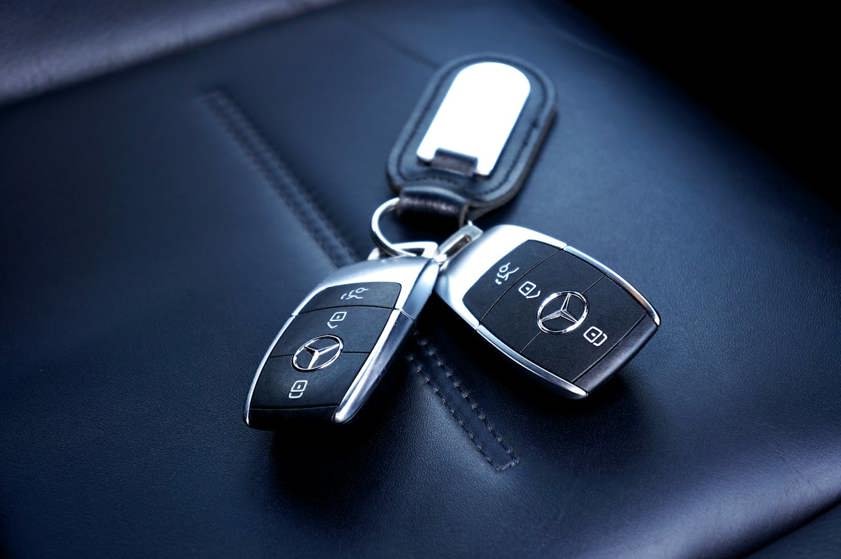
For some drivers, sticking with a factory key fob is the best choice. Here’s when you might want to opt for the original:
- Newer Vehicles: Cars with advanced security systems or proximity sensors may require OEM fobs for full compatibility.
- Leased Vehicles: Leasing agreements often require the return of original equipment, including key fobs.
- Warranty Concerns: If your car is still under warranty, using non-OEM parts could affect coverage in certain cases.
- Peace of Mind: Some drivers simply prefer the assurance of manufacturer support and guaranteed compatibility.
Frequently Asked Questions
Can an aftermarket key fob damage my car’s electronics?
When purchased from a reputable source and properly programmed, a non-OEM fob should not harm your vehicle’s electronics. However, poorly made or incompatible fobs can cause issues with locking systems or onboard computers. Always verify compatibility and use professional programming services.
Is it legal to use aftermarket key fobs?
Yes, it is legal to use third-party key fobs for most vehicles. However, always ensure that the product is not counterfeit and that it meets your car’s technical requirements. If you’re concerned about insurance or legal implications, consult your provider or review the licensed locksmith insurance claim assistance guide.
How do I know if an aftermarket fob is secure?
Look for products from established brands that advertise encryption and rolling code technology. Ask your locksmith about the security features of the fob and whether it matches your vehicle’s standards. For added peace of mind, consider reading the licensed locksmith emergency preparedness guide to prepare for any lockout or security situation.
Conclusion: Making the Right Choice for Your Needs
In summary, aftermarket key fobs can be a reliable and cost-effective solution for many drivers, provided you choose wisely and take the necessary precautions. While they may not always offer the same level of security or support as OEM products, reputable third-party options can serve well for daily use, spares, or older vehicles. Always prioritize compatibility, quality, and professional programming to ensure your replacement fob works as intended and keeps your vehicle secure.