Modern vehicles rely heavily on keyless entry systems for convenience and security. When a key fob suddenly fails, it can be frustrating and disruptive. Understanding why key fobs stop working helps drivers quickly identify the cause and restore normal operation. This article explores the most common reasons for key fob malfunctions, practical troubleshooting steps, and when to seek professional assistance.
Keyless remotes have become standard in most cars, trucks, and SUVs, but their technology is not immune to problems. Issues can range from simple battery depletion to more complex electronic or signal interference problems. By learning how to diagnose these issues, vehicle owners can often avoid unnecessary stress and costly repairs.
If you’re interested in the technical side of remote entry, you may want to learn more about what frequency do key fobs use and how it affects their reliability and range.
Common Reasons Remote Entry Devices Fail
There are several factors that can cause a keyless remote to malfunction. Some issues are straightforward and easily resolved, while others may require professional help. Here are the most frequent causes:
- Battery depletion: The most common reason for a non-responsive fob is a dead or weak battery.
- Physical damage: Dropping or exposing the device to moisture can harm its internal circuitry.
- Signal interference: Electronic devices or strong radio signals nearby can disrupt communication between the fob and the vehicle.
- Programming errors: Sometimes the remote loses synchronization with the car’s onboard computer.
- Worn buttons or contacts: Frequent use can wear out the rubber pads or electrical contacts inside.
- Receiver issues: Problems with the car’s receiver module can prevent it from recognizing the remote’s signal.
Each of these problems can present similar symptoms, such as the vehicle not unlocking or starting, but the underlying causes and solutions differ.
Battery Issues and How to Address Them
A depleted battery is by far the most frequent culprit when a remote stops working. Most devices use small coin-cell batteries that last one to three years, depending on usage. Signs of a weak battery include reduced range, intermittent operation, or total failure.
To check and replace the battery:
- Look for a visible seam or notch on the device’s casing.
- Use a small flathead screwdriver or coin to gently pry open the case.
- Remove the old battery, noting its orientation.
- Insert a new battery of the same type, ensuring correct polarity.
- Snap the case back together and test the remote.
For more details about power sources and battery types, see do key fobs use batteries.
Physical Damage and Environmental Factors
Accidental drops, exposure to water, or extreme temperatures can damage the internal components of a keyless remote. Even a small crack in the casing can allow moisture to reach the circuit board, causing corrosion or short circuits.
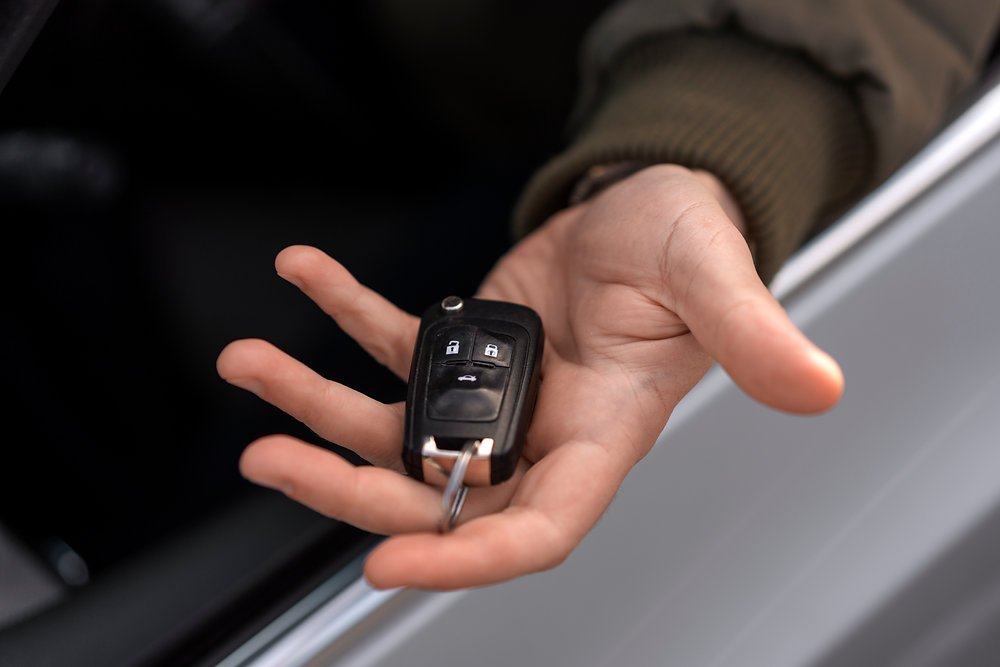
If your remote has been exposed to water or shows signs of physical damage, open the casing (if possible) and let it dry completely. Remove the battery and gently clean any corrosion with a cotton swab and isopropyl alcohol. If the device still does not work, replacement may be necessary.
Signal Interference and Electronic Disruptions
Keyless entry systems rely on radio frequency (RF) signals to communicate with the vehicle. Interference from other wireless devices, power lines, or even nearby vehicles can block or distort these signals. Parking garages, airports, and areas with high electronic activity are common trouble spots.
To minimize interference:
- Move closer to your vehicle and try again.
- Wait a few moments and attempt to unlock the car from a different angle.
- Keep electronic devices like cell phones or laptops away from the remote when using it.
For a deeper dive into the technology behind these remotes, see does a key fob use bluetooth and how wireless communication works in modern vehicles.
Programming and Synchronization Problems
Sometimes, a remote can lose its programming due to a dead battery, electrical surge, or after certain vehicle repairs. When this happens, the fob will no longer communicate with the car’s onboard computer.
Signs of programming issues include all functions failing at once, or the remote working only intermittently. In many cases, reprogramming the device is necessary. This process varies by make and model, but often involves a sequence of steps such as turning the ignition on and off or pressing specific buttons.
Consult your vehicle’s manual for instructions, or contact a professional locksmith for assistance. Some vehicles require specialized equipment for reprogramming.
Wear and Tear: Buttons and Internal Contacts
Over time, the rubber buttons and internal contacts inside a remote can wear out. This can result in certain buttons becoming unresponsive or requiring extra pressure to work. Inexpensive repair kits are available for some models, but in many cases, replacement is the most reliable solution.
If you’re comparing different types of remotes and their durability, check out key fob vs smart key for a breakdown of features and longevity.
Receiver and Vehicle System Issues
Occasionally, the problem lies not with the remote, but with the vehicle’s receiver or electronic control unit. If multiple remotes stop working at the same time, or if the car fails to respond even to the physical key, the issue may be with the car’s internal systems.
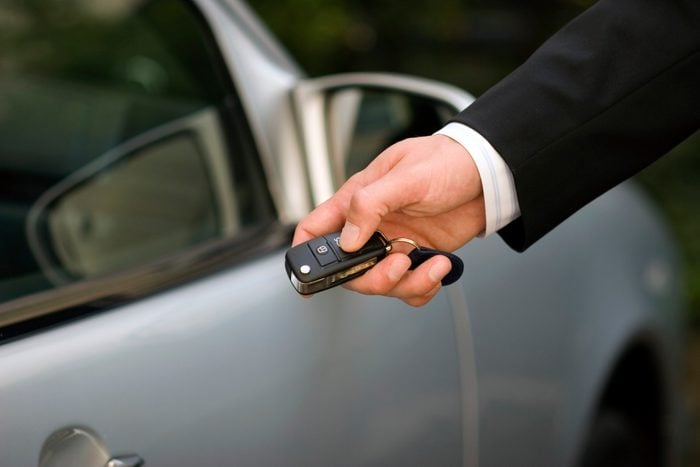
Diagnosing receiver or system faults typically requires specialized diagnostic tools. If you suspect a vehicle-side problem, a qualified automotive locksmith or dealership service center can help pinpoint and resolve the issue.
When to Seek Professional Help
While many remote entry issues can be resolved with basic troubleshooting, some situations call for expert assistance. If you’ve replaced the battery, checked for physical damage, and attempted reprogramming without success, it’s time to consult a professional.
Locksmiths and dealerships have the tools and expertise to diagnose and repair advanced electronic or programming faults. They can also provide replacement remotes and key cutting services if needed.
For a comprehensive overview of different remote types and their unique challenges, visit this guide to car key types and technologies.
Preventing Future Keyless Remote Problems
Taking a few simple precautions can extend the life of your remote and reduce the risk of unexpected failures:
- Replace the battery every 1–2 years or at the first sign of reduced range.
- Avoid exposing the device to water, heat, or physical shocks.
- Store spares in a safe, dry place.
- Keep the remote away from strong magnets and electronic devices.
- Have a backup remote programmed and ready, especially for vehicles with push-button start systems. For more on this technology, see what is a push to start system.
Frequently Asked Questions
How do I know if my keyless remote battery is dead?
Common signs include reduced range, intermittent operation, or the remote not working at all. If the buttons feel normal but the car does not respond, replacing the battery is a good first step.
Can I reprogram a keyless remote myself?
Some vehicles allow owners to reprogram remotes using a sequence of actions described in the owner’s manual. However, many newer models require specialized equipment. If you’re unsure, consult a locksmith or dealership.
What should I do if my remote works only when I’m very close to the car?
This usually indicates a weak battery or signal interference. Try replacing the battery first. If the problem persists, check for sources of electronic interference or consider professional diagnosis.