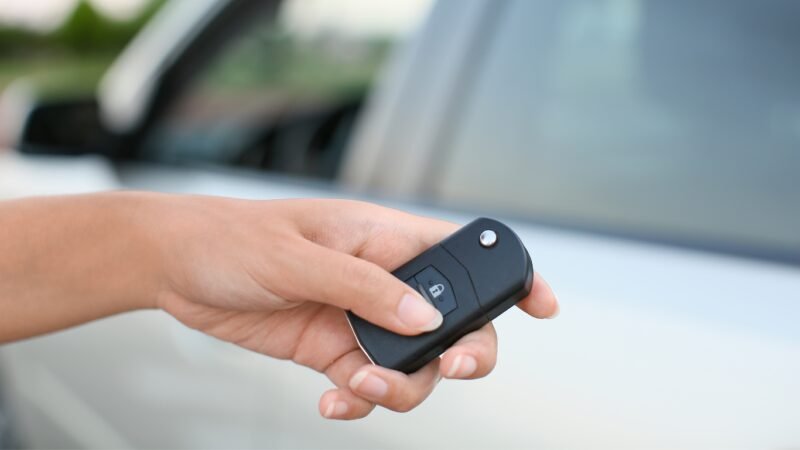
In recent years, many vehicles have moved away from traditional metal keys in favor of more advanced ignition systems. One of the most popular innovations is the push to start system, which allows drivers to start their cars with the press of a button. This technology has become a standard feature in many new models, offering convenience, improved security, and a glimpse into the future of automotive design. But how exactly does this system work, and what sets it apart from older ignition methods?
If you’re curious about the evolution of car access and ignition, you might also find the history of key fobs an interesting read. Understanding how we arrived at today’s technology provides valuable context for appreciating the benefits and features of modern ignition systems.
Understanding Push Button Ignition Technology
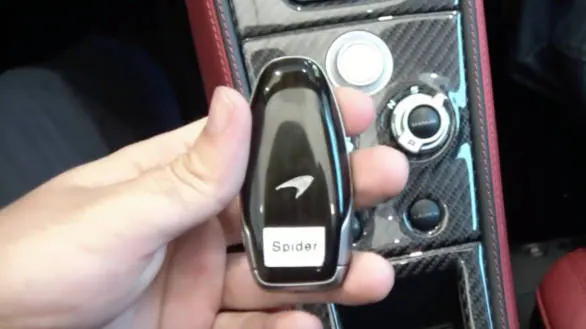
At its core, a push to start system replaces the traditional key-turn ignition with an electronic button, usually labeled “Start” or “Engine Start/Stop.” Instead of inserting and turning a key, the driver simply presses this button while the car’s key fob is inside the vehicle. The car’s computer verifies the presence of the correct fob, then powers up the engine.
This process relies on a combination of radio frequency identification (RFID) and encrypted communication between the fob and the vehicle. When you approach your car, the system detects the fob’s signal. Once inside, pressing the button initiates a secure handshake, ensuring only authorized users can start the engine. This not only streamlines the starting process but also adds a layer of security that is difficult to bypass with traditional theft methods.
Key Components of a Push to Start System
To better understand how this technology functions, it’s helpful to look at its main components:
- Key Fob: The remote device that communicates with the vehicle, containing unique codes for authentication.
- Start/Stop Button: The physical interface inside the car that initiates the ignition sequence.
- Electronic Control Unit (ECU): The car’s onboard computer, responsible for verifying the fob and managing the ignition process.
- RFID Antennas: Sensors placed throughout the vehicle to detect the presence and proximity of the fob.
- Immobilizer System: Prevents the engine from starting without the correct electronic signal, enhancing security.
How Does a Push to Start System Work?
The operation of a modern push button ignition is straightforward for the user but involves several behind-the-scenes steps:
- Detection: When the driver approaches, the car’s antennas sense the key fob within a certain range. Some vehicles even unlock automatically when the fob is nearby.
- Authentication: Once inside, the driver presses the start button. The system checks for the correct encrypted code from the fob.
- Ignition: If the code matches, the ECU activates the ignition circuit, starting the engine. If not, the car remains immobilized.
- Shutdown: To turn off the engine, the driver presses the button again, provided the fob is still detected inside the vehicle.
Benefits of Push Button Ignition Systems
There are several reasons why drivers and manufacturers are embracing this technology:
- Convenience: No more fumbling with keys—just keep the fob in your pocket or bag and start the car with a touch.
- Enhanced Security: The system’s encrypted communication and immobilizer make it much harder for thieves to steal the vehicle using traditional methods.
- Modern Features: Many systems integrate with remote start, keyless entry, and even smartphone apps for added control and flexibility. For more on advanced remote features, see our guide on what is a remote start key fob.
- Reduced Wear and Tear: With no physical key turning in an ignition cylinder, there’s less mechanical wear over time.
Potential Drawbacks and Security Considerations
While push button ignition systems offer many advantages, they are not without potential downsides:
- Cost of Replacement: Losing a key fob can be expensive, as replacements often require programming and specialized equipment. Learn more about why key fobs are expensive and what drives these costs.
- Signal Interference: Electronic devices or even certain building materials can sometimes interfere with the fob’s signal, making it difficult to start the car.
- Relay Attacks: Tech-savvy thieves may attempt to intercept and relay the fob’s signal to gain unauthorized access. However, modern systems are continually improving their encryption and security features. For a deeper dive into these protections, see how secure are key fobs.
- Battery Dependency: Both the fob and the car rely on batteries. If either runs out, you may be temporarily unable to start your vehicle.
How Push to Start Differs from Traditional Ignition
The main difference between these systems and traditional keyed ignition lies in how the car verifies the driver’s authority to start the engine. With a standard key, physical cuts match the tumblers inside the ignition cylinder. In contrast, a push button system relies on digital authentication via the fob’s unique code.
This shift from mechanical to electronic security has changed not only how we interact with our vehicles but also how we think about car theft and access control. For a broader look at how electronic access has evolved, you might find this overview of key fob access control useful.
Common Questions About Push Button Ignition
Can I Start My Car If the Key Fob Battery Dies?
Most vehicles with push button ignition have a backup method for starting the engine if the fob’s battery is dead. This often involves holding the fob close to the start button or a designated spot on the steering column, allowing the car to read the embedded chip even without battery power. Check your owner’s manual for specific instructions.
Is It Safe to Leave the Key Fob Inside the Car?
Leaving the fob inside the vehicle can pose a security risk, as anyone who enters the car may be able to start it. Some cars will not lock if the fob is detected inside, but it’s always best to take your fob with you to prevent unauthorized use.
How Far Away Can the Fob Be for the Car to Start?
The range varies by manufacturer, but typically the fob must be inside the vehicle or within a few feet of the start button. For more details on signal range and what can affect it, see our article on how far does a key fob signal reach.
Conclusion: The Future of Car Ignition
Push button ignition systems represent a significant step forward in automotive convenience and security. By replacing mechanical keys with digital authentication, these systems make starting and securing your vehicle easier than ever. As technology continues to evolve, we can expect even more integration with mobile devices, advanced anti-theft measures, and new ways to interact with our cars.
Whether you’re considering a vehicle with this feature or simply want to understand how it works, knowing the basics of push to start technology helps you make informed decisions about your car’s security and convenience.