The evolution of car entry technology has transformed the way drivers interact with their vehicles. Gone are the days when a simple metal key was the only way to unlock or start a car. Today, key fobs have become a standard feature in most modern vehicles, offering convenience, enhanced security, and even remote control functions. But what is a key fob, and how does it work? This article provides a comprehensive overview of these devices, their history, how they function, and what makes them an essential part of contemporary automotive life.
Whether you’re a new car owner or simply curious about automotive technology, understanding the role and features of these entry devices can help you make the most of your vehicle’s capabilities. For an even deeper dive, you can explore this detailed explanation of key fobs and their uses.
Understanding Key Fobs: Definition and Core Functions
At its core, a key fob is a small, handheld electronic device that communicates wirelessly with your car. Its main purpose is to provide secure and convenient access to your vehicle. Most commonly, these devices allow you to lock and unlock doors, open the trunk, and sometimes even start the engine remotely. The term “fob” originally referred to a small pocket or chain, but in the automotive world, it now signifies a compact remote control.
Modern versions use radio frequency identification (RFID) or other wireless protocols to send signals to your car. When you press a button on the device, it transmits a coded message that your vehicle recognizes, triggering the desired action. This system not only streamlines entry but also adds a layer of security by making it harder for unauthorized users to access the car.
How Do Car Entry Remotes Work?
The technology behind these devices is both simple and sophisticated. Each key fob is programmed with a unique code that matches your vehicle’s receiver. When you press a button, the device sends a signal via radio waves. The car’s receiver picks up this signal and, if the code matches, performs the requested function—such as unlocking the doors or activating the alarm.
Some advanced models use rolling codes, which change every time the device is used. This prevents thieves from capturing and reusing the signal. Others incorporate proximity sensors, allowing for passive entry—meaning you can unlock or start your car simply by having the device in your pocket or bag.
Types of Modern Car Entry Devices
Over the years, the design and capabilities of these devices have expanded. Here are the most common types found in today’s vehicles:
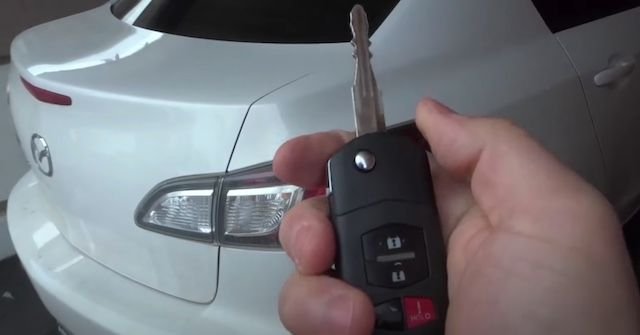
- Traditional Remote Fobs: These are the classic devices with buttons for locking, unlocking, and sometimes trunk release. They require you to press a button to operate.
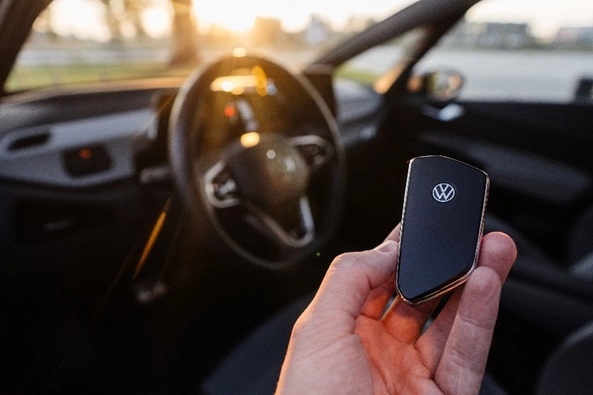
- Smart Keys: Also known as proximity keys, these allow for keyless entry and push-button start. You only need to have the device nearby for the car to recognize it.
- Switchblade Keys: These combine a remote with a foldable metal key blade, offering both electronic and manual access.
- Remote Start Fobs: Some versions let you start your car remotely, which is especially useful in extreme weather conditions.
The integration of these technologies has made vehicle access more convenient and secure than ever before.
Benefits of Using Keyless Entry Systems
The widespread adoption of these devices is due to the many advantages they offer. Here are some of the primary benefits:
- Convenience: No more fumbling for keys—just press a button or approach your car to unlock it.
- Enhanced Security: Encrypted signals and rolling codes help protect against theft and unauthorized access.
- Remote Functions: Many devices allow you to start your car, open the trunk, or even activate climate control remotely.
- Customization: Some systems let you program settings, such as seat positions or mirror adjustments, based on which device is used.
Common Issues and Troubleshooting Tips
While these entry devices are reliable, they can occasionally present problems. Here are some typical issues and solutions:
- Dead Battery: If the device stops working, the most common cause is a depleted battery. Replacing it usually restores functionality.
- Signal Interference: Electronic devices or strong radio signals nearby can sometimes disrupt communication. Try moving to a different location.
- Desynchronization: Occasionally, the device may lose sync with your vehicle. Consult your owner’s manual for reprogramming instructions or contact a locksmith.
- Physical Damage: Dropping or exposing the device to water can cause malfunctions. In such cases, a replacement may be necessary.
Maintaining and Replacing Your Car Remote
To ensure your entry device continues to function properly, regular maintenance is important. Here are a few tips:
- Change the Battery: Most devices use small coin-cell batteries. Replace them every 1-2 years or when you notice reduced range.
- Keep It Clean: Avoid exposing the device to moisture, dirt, or extreme temperatures.
- Have a Backup: It’s wise to keep a spare device in a safe place in case your primary one is lost or damaged.
- Professional Help: If you lose your device or need a replacement, a qualified locksmith or your dealership can program a new one for your car.
Frequently Asked Questions
Can I Program a New Key Fob Myself?
Some vehicles allow owners to program a new device using a specific sequence of steps outlined in the owner’s manual. However, many modern cars require specialized equipment, so it’s often best to consult a professional locksmith or your dealership.
What Should I Do If My Keyless Entry Device Stops Working?
First, try replacing the battery. If that doesn’t resolve the issue, check for signal interference or consult your owner’s manual for reprogramming instructions. If problems persist, seek help from a locksmith or authorized service center.
Are Key Fobs Secure Against Theft?
Most modern devices use encrypted signals and rolling codes, making them much more secure than traditional keys. However, no system is completely immune to theft. To enhance security, keep your device in a signal-blocking pouch when not in use and be vigilant about suspicious activity around your vehicle.