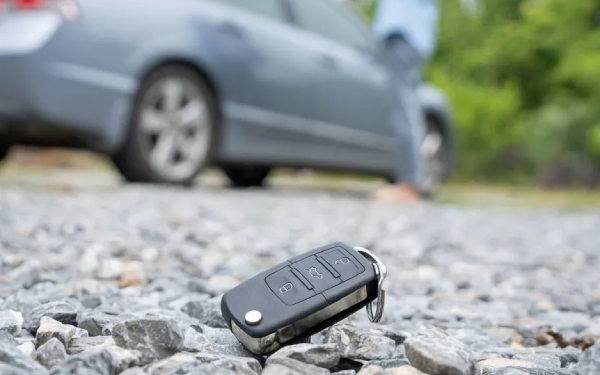
Key fobs have become an essential part of modern vehicle access, offering convenience and security for drivers. Yet, many people wonder: what frequency do key fobs use, and why is this detail so important? Understanding the radio frequencies behind these devices helps explain how they work, what affects their performance, and how to keep your car secure.
In this guide, we’ll break down the most common frequencies used by automotive remote entry systems, discuss why these frequencies were chosen, and explore the implications for security, interference, and compatibility. If you’re interested in the history of key fobs and how they’ve evolved, you’ll see how frequency choices have shaped today’s technology.
Understanding Key Fob Frequencies
The vast majority of car remotes and keyless entry devices operate using radio waves. But what frequency do key fobs use most commonly? In the United States and much of North America, the standard frequency for automotive remotes is 315 MHz. In Europe and many other regions, 433.92 MHz is the norm. Some older or specialized systems may use frequencies like 868 MHz or even 49 MHz, but these are far less common today.
These frequencies fall within the “unlicensed” Industrial, Scientific, and Medical (ISM) radio bands, which are reserved for low-power devices that don’t require individual licensing. This makes it easier for manufacturers to produce compatible products and for consumers to use them without regulatory hurdles.
Why These Frequencies Are Chosen
The choice of frequency for key fobs isn’t arbitrary. There are several reasons why 315 MHz and 433.92 MHz have become the standards:
- Regulatory Approval: These bands are available for unlicensed use in most countries, making global manufacturing and distribution simpler.
- Range and Penetration: Lower frequencies like 315 MHz and 433.92 MHz offer a good balance between range and the ability to penetrate obstacles such as car doors and walls.
- Interference Avoidance: These bands are less crowded than others, reducing the risk of interference from Wi-Fi, Bluetooth, or other consumer electronics.
- Power Efficiency: Operating at these frequencies allows key fobs to use very little battery power while still transmitting reliably.
How Key Fob Frequency Affects Performance
The frequency used by your remote has a direct impact on how well it works. Here’s how:
- Signal Range: Lower frequencies tend to travel farther and are less likely to be blocked by obstacles. That’s why most car remotes work reliably from several meters away.
- Interference: While ISM bands are less crowded, interference can still occur—especially in parking lots or urban areas with many devices operating on similar frequencies.
- Compatibility: If you need to replace or duplicate a key fob, it’s crucial to match the frequency. Using the wrong frequency means the car won’t recognize the signal.
For a deeper dive into how far your remote’s signal can reach and what factors influence its effectiveness, check out this resource on how far a key fob signal reaches.
Security Implications of Key Fob Frequencies
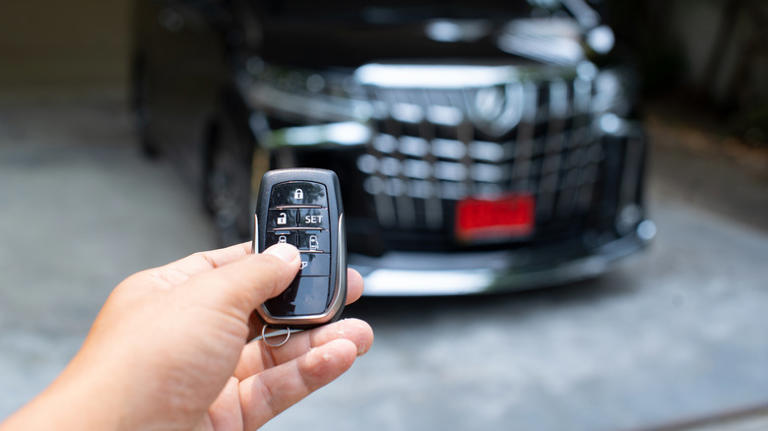
The frequency your remote uses has important security implications. While the radio band itself doesn’t determine security, the technology built on top of it does. Modern remotes use rolling codes or encryption to prevent replay attacks, where a thief could intercept and reuse your signal.
However, certain attacks—like signal amplification or “relay” attacks—exploit the radio frequency aspect of these devices. Criminals can use specialized equipment to boost your remote’s signal, tricking your car into unlocking even if your remote is far away. That’s why some car owners use signal-blocking pouches or store their remotes away from entry points.
For more on the safety features and vulnerabilities of modern remotes, see our article on how secure key fobs are.
Replacing or Duplicating Remotes: Matching the Right Frequency
If you lose or need a spare remote, it’s essential to match the original’s frequency. Using a remote with the wrong frequency—even if it looks identical—will not work with your vehicle. Most locksmiths and dealerships can determine your car’s requirements using the VIN or by examining the original remote.
The process of duplicating or programming a new remote often involves pairing it with your car’s onboard computer. This ensures only authorized devices can access your vehicle. For more about the costs and reasons behind pricing, see our explanation of why key fobs are expensive.

Other Uses and Types of Key Fob Frequencies
While this article focuses on automotive remotes, similar technology is used in garage door openers, building access cards, and even some smart home devices. Each application may use a different frequency, but the principles remain the same: choosing a band that balances range, security, and regulatory compliance.
To learn more about the different types of car keys and their unique functions, see this comprehensive overview of car key types and their functions.
Frequently Asked Questions
What is the most common frequency for car remotes in the US?
In the United States, most automotive remotes operate at 315 MHz. This frequency is designated for unlicensed use and is widely adopted by manufacturers for keyless entry systems.
Can a remote with a different frequency work with my car?
No, remotes must match the vehicle’s original frequency to function. Even if the remote looks identical, using the wrong frequency means the car will not recognize the signal.
How can I find out what frequency my remote uses?
The frequency is often printed on the back of the remote or inside the battery compartment. If not, your vehicle’s manual or a professional locksmith can help you determine the correct frequency.
Are higher frequencies better for key fobs?
Not necessarily. Lower frequencies like 315 MHz and 433.92 MHz are preferred because they offer a good balance of range, penetration, and power efficiency. Higher frequencies may be more susceptible to interference and have shorter range.
What should I do if my remote stops working?
First, check the battery. If replacing the battery doesn’t help, ensure you’re within range and there’s no interference. If problems persist, a locksmith or dealership can diagnose issues and recommend a replacement.
Conclusion
Knowing what frequency do key fobs use is more than a technical curiosity—it’s crucial for ensuring compatibility, security, and reliable performance. Whether you’re replacing a lost remote, troubleshooting signal issues, or simply curious about the technology, understanding these details helps you make informed decisions. For more insights into advanced features, see our explanation of remote start key fobs and how they work.