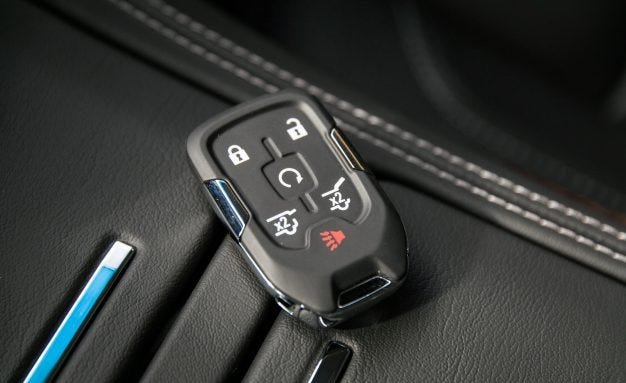
Modern vehicles rely on a range of advanced security features, and the evolution of car key fobs has played a significant role in this transformation. Understanding the types of car key fobs available today is essential for anyone looking to enhance their vehicle’s protection, streamline access, and avoid common issues like lockouts or theft. As technology has progressed, so have the options for car entry and ignition, making it important to know which type of fob your vehicle uses and how it impacts your security.
Whether you drive a new model or an older car, the right knowledge about keyless entry systems and remote controls can help you make informed decisions about maintenance, replacement, and upgrades. For a comprehensive breakdown of different car key technologies and their unique functions, you can consult this detailed guide to car key types and their features.
Traditional Car Keys and Basic Remote Fobs
Before the rise of sophisticated electronics, most vehicles used simple mechanical keys. These metal keys physically engaged the lock cylinder to open doors and start the engine. Over time, manufacturers introduced basic remote fobs, which allowed drivers to lock or unlock doors from a distance using radio frequency (RF) signals. These remotes typically work in tandem with a standard key and offer limited functionality beyond entry.
While basic remote fobs provide convenience, they lack advanced security features. Their signals can sometimes be intercepted or duplicated, making them less secure compared to newer options. However, for many older vehicles, these remain the standard and are relatively inexpensive to replace or duplicate.
Transponder Keys: Enhanced Security for Modern Cars
As car theft became more sophisticated, automakers responded by developing transponder keys. These keys contain a small electronic chip embedded in the plastic head. When inserted into the ignition, the chip communicates with the vehicle’s onboard computer using a unique code. If the code matches, the engine starts; if not, the car remains immobilized.
Transponder technology significantly reduces the risk of unauthorized access and hot-wiring. Replacing or duplicating a transponder key requires specialized equipment, which adds a layer of security but can also increase the cost of replacements.
Smart Keys and Proximity Fobs: Keyless Entry and Start
The latest innovation in vehicle access is the smart key or proximity fob. These devices allow for keyless entry and push-button start, meaning you can unlock and start your car without physically inserting a key. The fob communicates wirelessly with the vehicle when it’s within a certain range, and the car recognizes the unique signal to grant access.
Smart keys offer a high level of convenience and improved security. Many systems use rolling codes or encrypted signals to prevent hacking or relay attacks. However, the advanced technology means that replacements can be costly and require dealership programming.
Switchblade and Flip Keys: Combining Functionality and Portability
Another popular option is the switchblade key, sometimes called a flip key. This design integrates the key blade into a folding remote fob, making it compact and easy to carry. When needed, the blade flips out at the press of a button. Switchblade keys often include transponder chips or remote entry functions, combining security with convenience.
These keys are less prone to damage since the blade is protected when not in use. They’re also more difficult to duplicate without the correct programming tools, which adds a layer of security.
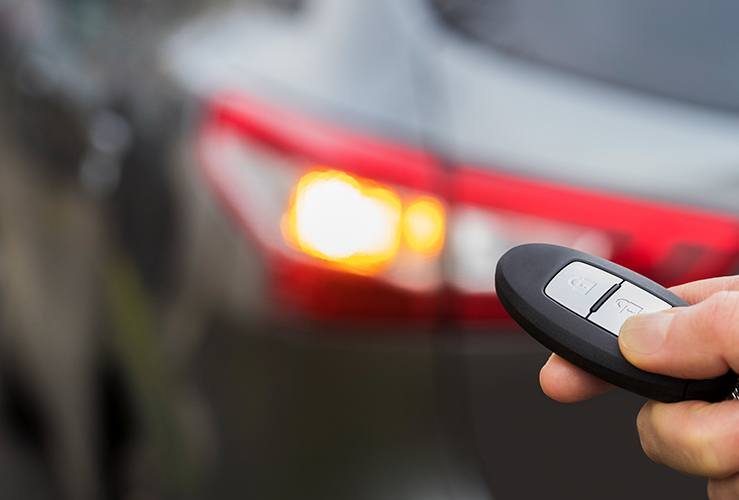
Comparing Key Fob Technologies for Security and Convenience
Each type of car access device has its own strengths and weaknesses. Mechanical keys and basic remotes are straightforward and affordable but offer minimal protection against theft. Transponder keys add a crucial security layer by requiring electronic authentication. Smart keys and proximity fobs provide the ultimate in convenience and advanced protection, but their complexity can make replacements more expensive.
When evaluating which system is best for your vehicle, consider factors such as your car’s age, your security needs, and your budget for potential replacements. Staying informed about the latest developments in automotive security can help you make better choices and reduce the risk of unauthorized access.
Maintaining and Replacing Your Car Key Fob
Proper care of your car key fob is essential for long-term reliability. Here are a few practical tips:
- Keep your fob dry and avoid exposing it to extreme temperatures.
- Replace the battery at the first sign of reduced range or intermittent operation.
- Store spare keys in a safe location, away from your vehicle.
- If your fob is lost or stolen, have it deactivated and replaced promptly to prevent unauthorized use.
For advanced systems like smart keys, professional programming is often required. Always use a trusted locksmith or your dealership to ensure your new fob is properly synced with your vehicle’s security system.
FAQ: Car Key Fobs and Vehicle Security
What Should I Do If My Car Key Fob Stops Working?
The most common cause is a dead battery. Try replacing the battery first. If the issue persists, the fob may need to be reprogrammed or replaced. For advanced fobs, consult your dealership or a qualified locksmith.
Can I Replace a Lost Smart Key Myself?
Most smart keys require specialized programming equipment, so DIY replacement is usually not possible. Contact your car manufacturer or a professional locksmith who has the right tools to program a new fob for your vehicle.
Are Aftermarket Key Fobs Safe to Use?
Aftermarket fobs can be a cost-effective solution, but quality and compatibility vary. Always ensure the fob is compatible with your vehicle and have it programmed by a reputable professional to maintain your car’s security features.