Modern vehicles rely on electronic key fobs for security, convenience, and access. When a fob is lost, damaged, or needs to be paired with a new vehicle, specialized equipment is required. Understanding the locksmith tools for key fob programming helps car owners appreciate the expertise involved and make informed decisions when seeking professional help.
This guide explores the essential devices and techniques professionals use to program, clone, or repair car remotes. Whether you’re curious about the process or considering a career in automotive locksmithing, you’ll find practical insights here. For a detailed walkthrough on syncing remotes, see our resource on how to pair a key fob to a car.
Why Specialized Equipment Is Needed for Remote Programming
Car key fobs are more than simple remote controls. They contain microchips and encrypted codes that communicate with a vehicle’s onboard computer. This security prevents theft but also means that only certain key fob programming tools can access, reset, or clone these remotes.
Over the years, manufacturers have introduced new protocols and encryption methods. As a result, locksmiths must invest in up-to-date devices capable of handling a wide range of makes and models. Without the right equipment, programming a new fob or duplicating an existing one is nearly impossible.
Essential Locksmith Tools for Key Fob Programming
Professionals use a combination of hardware and software to handle remote programming tasks. Here are the most important tools and their functions:
1. Automotive Diagnostic Scanners
These devices interface with a vehicle’s OBD-II port to access the onboard computer. Advanced scanners can read security codes, reset immobilizer systems, and initiate pairing modes for new fobs. Popular brands include Autel, Launch, and Snap-On.
2. Key Fob Programmers
Dedicated key fob programming devices are designed specifically for syncing remotes to vehicles. These tools often support hundreds of car models and allow locksmiths to add, erase, or clone remotes. Some units are handheld, while others connect to a laptop for more advanced features.

3. EEPROM and MCU Readers
Some vehicles store key data in memory chips known as EEPROMs or microcontroller units (MCUs). Specialized readers allow locksmiths to extract, edit, or write new data directly to these chips. This process is often required for high-security vehicles or when all keys are lost.
4. Transponder Cloning Devices
Many modern keys contain a transponder chip that must be recognized by the car’s immobilizer. Cloning devices copy the chip’s unique signal, allowing a duplicate key to function. These tools are especially useful for quick replacements or backup keys.
5. Remote Frequency Testers
When diagnosing issues, it’s important to verify that a key fob is transmitting the correct signal. Frequency testers detect the output of remotes, helping locksmiths determine if the fob is working or if a new battery or replacement is needed. For troubleshooting advice, see our article on key fob not working after battery change.
How Locksmiths Program and Clone Key Fobs
The process varies depending on the vehicle and the type of remote. Here’s a general overview:
- Vehicle Identification: The technician determines the make, model, and year to select the right programming method.
- Connecting Equipment: The appropriate scanner or programmer is connected to the car’s OBD-II port or directly to the remote’s chip.
- Accessing Programming Mode: Some vehicles require a sequence of steps (such as turning the ignition or pressing pedals) to enter programming mode.
- Pairing or Cloning: The tool either syncs a new fob, clones an existing one, or writes new data to the vehicle’s memory.
- Testing: The locksmith verifies that the remote works for locking, unlocking, and starting the car.
For those interested in DIY solutions, some vehicles allow owners to program remotes themselves. However, newer models often require professional-grade equipment. If you want to learn more about reprogramming without dealership fees, check out our guide on how to reprogram a key fob.
Types of Car Keys and Their Programming Requirements
Not all car keys are the same. The programming process and required tools depend on the type of remote:
- Traditional Transponder Keys: These have a chip inside the plastic head. Programming usually involves syncing the chip with the car’s immobilizer using a scanner or programmer.
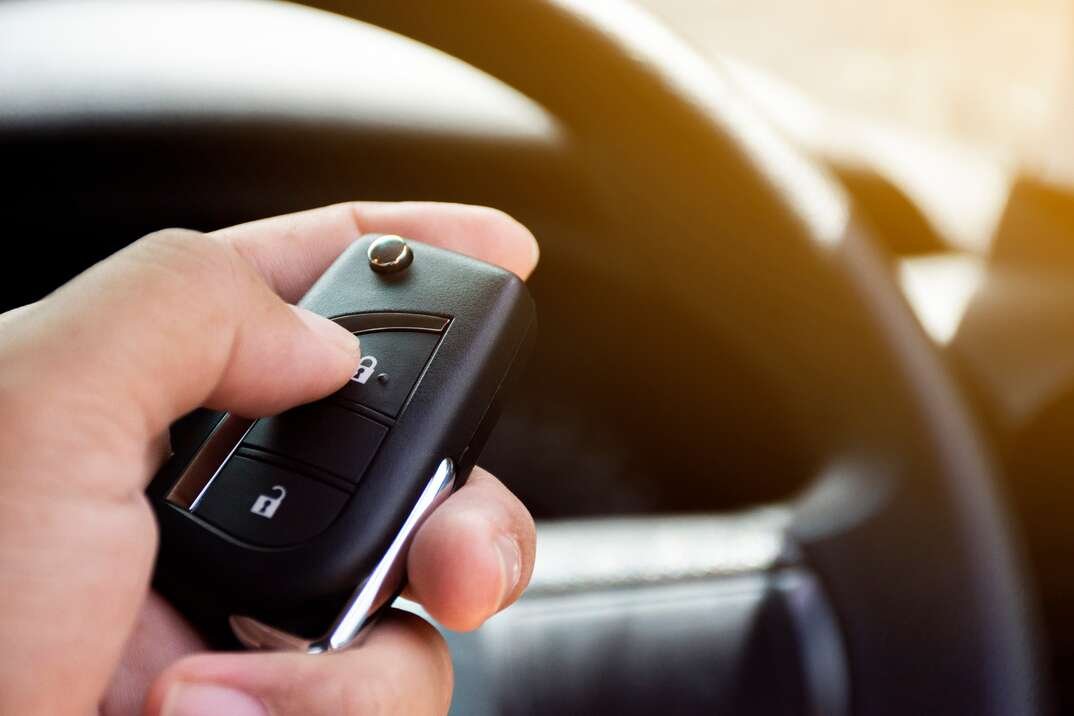
- Remote Head Keys: These combine a remote and a key blade. Both the chip and the remote functions must be programmed.
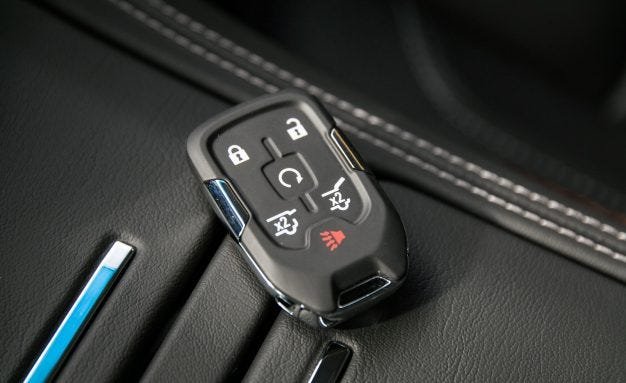
- Smart Keys (Proximity Fobs): These allow push-button start and keyless entry. They require advanced equipment and often dealer-level tools to program.
- Remote-Only Fobs: These control locks but do not start the car. Programming is often simpler but still requires the right device.
For a deeper dive into the differences between key types and their features, see this comprehensive overview of car key types and functions.

Common Challenges in Key Fob Programming
Even with the right locksmith tools for key fob programming, technicians face several challenges:
- Model-Specific Protocols: Each manufacturer uses unique security measures, requiring constant updates to equipment and software.
- All Keys Lost Situations: If no working remote is available, advanced methods like EEPROM reading or dealer codes may be necessary.
- Aftermarket Remotes: Not all third-party fobs are compatible with every vehicle, so testing and verification are essential.
- Physical Damage: Broken or water-damaged fobs may need internal repairs before programming can begin.
If your remote won’t operate your vehicle’s locks, our troubleshooting guide on key fob won’t lock doors may help identify the issue before seeking professional service.
Choosing a Qualified Automotive Locksmith
When you need a new remote or a replacement key, it’s important to choose a locksmith with the right credentials and equipment. Look for professionals who:
- Invest in the latest key fob programming tools and software updates
- Have experience with your vehicle’s make and model
- Offer clear pricing and warranty on their work
- Can provide emergency or mobile service if you’re locked out
A reputable locksmith will explain the process, answer your questions, and ensure your new remote works seamlessly with your vehicle.
Frequently Asked Questions
Can I program a car key fob myself without special tools?
Some older vehicles allow owners to program remotes using a sequence of steps outlined in the owner’s manual. However, most modern cars require specialized equipment and software only available to professionals.
What should I do if my new key fob isn’t working?
First, check the battery and ensure the remote is compatible with your vehicle. If issues persist, consult a locksmith who can diagnose the problem using frequency testers and programming devices. For more tips, visit our article on key fob not working after battery change.
Are aftermarket key fobs as reliable as originals?
Aftermarket remotes can be reliable if they are high quality and compatible with your vehicle. However, some may lack certain features or have limited range. Always test the remote thoroughly after programming.
How long does it take to program a new key fob?
The process typically takes 15–30 minutes, depending on the vehicle and whether all keys are lost. Some advanced models may require more time for security verification and programming.
Conclusion
The world of locksmith tools for key fob programming is constantly evolving as vehicle technology advances. Professionals rely on a suite of diagnostic scanners, programmers, and frequency testers to ensure remotes are synced securely and reliably. By understanding the equipment and process, car owners can make informed choices and appreciate the expertise required to keep their vehicles accessible and secure.