


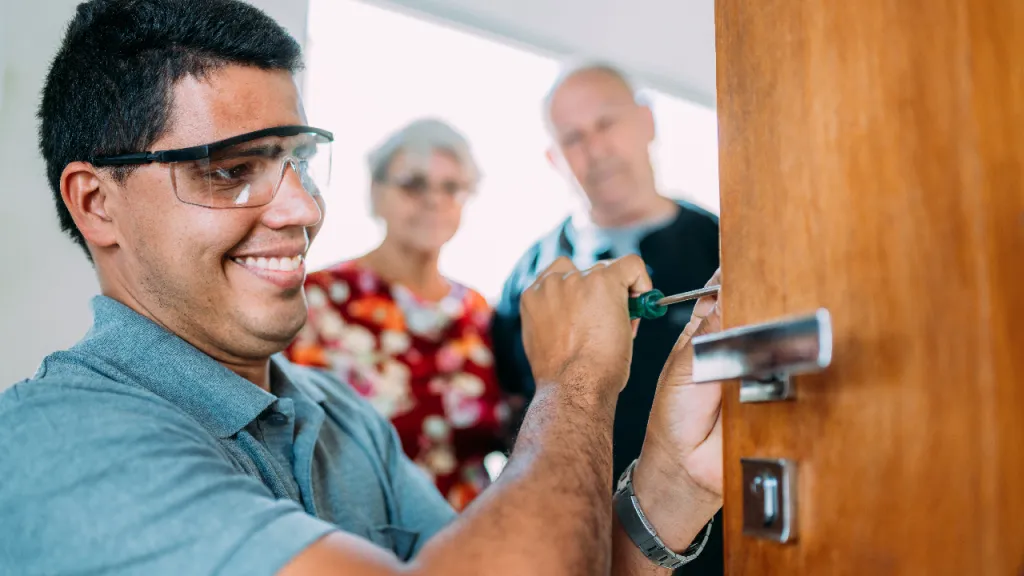
Safes are a crucial part of protecting valuables, sensitive documents, and important assets—whether at home, in an office, or at a commercial site. When it comes to ensuring your safe is installed correctly and securely, working with a licensed locksmith safe installation professional is essential. These experts bring not only technical know-how, but also the legal compliance and peace of mind that comes with proper certification.
This article explores what to expect from professional safe installation services, why licensing matters, and how to choose the right provider for your needs. We’ll also touch on related security solutions and answer common questions about the process.
For those managing rental properties or commercial spaces, it’s also worth considering broader security needs. Our licensed locksmith commercial door hardware services guide covers essential upgrades and compliance tips for business owners.
Why Choose a Certified Professional for Safe Installation?
Entrusting your safe installation to a qualified locksmith ensures that the job is done right the first time. Licensed professionals are trained to handle a wide range of safe types and brands, from basic home models to high-security commercial units. Their expertise covers not only the physical installation but also the assessment of the best location for optimal security and accessibility.
Licensed locksmith safe installation providers are also familiar with local regulations and insurance requirements. This means your safe will be installed in compliance with relevant standards, reducing the risk of issues down the line.

Understanding the Safe Installation Process
The process of installing a safe involves several key steps, each requiring attention to detail and specialized tools. Here’s what you can expect when working with a licensed locksmith:
- Site Assessment: The technician evaluates your property to determine the most secure and practical location for the safe. This may involve checking for wall studs, floor reinforcement, or hidden spaces.
- Safe Selection: If you haven’t already chosen a safe, the locksmith can recommend models that fit your security needs and budget.
- Preparation: The area is prepared for installation, which might include drilling, anchoring, or reinforcing surfaces to support the safe’s weight.
- Installation: The safe is securely mounted, ensuring it cannot be easily removed or tampered with. For floor safes, this may involve concrete work; for wall safes, precise cutting and fitting are required.
- Testing and Handover: The locksmith tests the locking mechanism and provides instructions on operation and maintenance.
Throughout the process, a reputable provider will prioritize both security and discretion, minimizing disruption to your property.
Benefits of Working with a Licensed Locksmith
There are several advantages to hiring a certified professional for safe installation:
- Expertise: Licensed locksmiths have undergone rigorous training and background checks, ensuring a high standard of workmanship.
- Accountability: Should any issues arise, licensed providers are typically insured and bonded, offering protection for both parties.
- Compliance: Many insurance policies require safes to be installed by a licensed professional to validate coverage.
- Peace of Mind: You can trust that your valuables are protected by a secure, professionally installed safe.
For more on the importance of proper licensing in the locksmith industry, see this comprehensive guide to locksmith licenses.
Types of Safes and Installation Considerations
Not all safes are created equal. The type of safe you choose will influence the installation method and security level. Here are some common options:
- Wall Safes: Installed between wall studs, these are ideal for discreet storage but require careful placement to avoid electrical wiring or plumbing.
- Floor Safes: Embedded in concrete, these offer high security but are more labor-intensive to install.
- Freestanding Safes: These can be bolted to the floor or wall for added security, and are suitable for both homes and businesses.
- Gun Safes: Designed for firearms, these require compliance with specific regulations and may need reinforced anchoring.
- Depository Safes: Common in retail or hospitality, these allow for quick deposits without opening the main compartment.
A licensed locksmith safe installation expert will help you navigate these choices, ensuring the safe is both secure and convenient for your needs.

How to Select the Right Safe Installation Provider
Choosing the right locksmith for your safe installation is about more than just price. Here are some tips to ensure you’re working with a reputable provider:
- Check Credentials: Verify that the locksmith is licensed, insured, and bonded. Ask for proof if necessary.
- Read Reviews: Look for customer feedback on independent platforms to gauge reliability and service quality.
- Ask About Experience: Inquire about their experience with your specific type of safe and installation environment.
- Request a Written Estimate: A professional will provide a clear breakdown of costs and timelines.
- Discuss Warranty: Ensure both the safe and the installation are covered by a warranty for future peace of mind.
For those interested in broader compliance topics, our licensed locksmith compliance checklist offers a detailed overview of industry standards and best practices.
Maintaining Your Safe After Installation
Once your safe is installed, ongoing maintenance is key to ensuring long-term security. Here are some best practices:
- Regularly test the locking mechanism and change combinations or codes as needed.
- Keep the safe clean and free of debris, especially around the lock and hinges.
- Schedule periodic inspections with your locksmith to check for wear or tampering.
- Store backup keys or override codes in a secure, separate location.
Many locksmiths offer maintenance packages or can advise on DIY care to extend the life of your safe and its components.
Frequently Asked Questions
What are the benefits of hiring a licensed locksmith for safe installation?
Working with a certified professional ensures your safe is installed correctly, securely, and in compliance with local regulations. Licensed locksmiths have specialized training, insurance, and accountability, which protects both your property and your valuables.
How long does it take to install a safe?
The installation time varies depending on the type of safe and the complexity of the job. Simple installations can take as little as an hour, while floor or wall safes may require several hours or even a full day, especially if structural modifications are needed.
Can a locksmith help me choose the right safe?
Yes, most locksmiths offer consultation services to help you select a safe that meets your security needs, budget, and installation environment. They can recommend models and features based on your specific requirements.
Is professional installation required for insurance coverage?
Many insurance policies require that safes be installed by a licensed professional to ensure coverage in the event of theft or damage. Always check your policy details and consult with your provider or locksmith for guidance.
