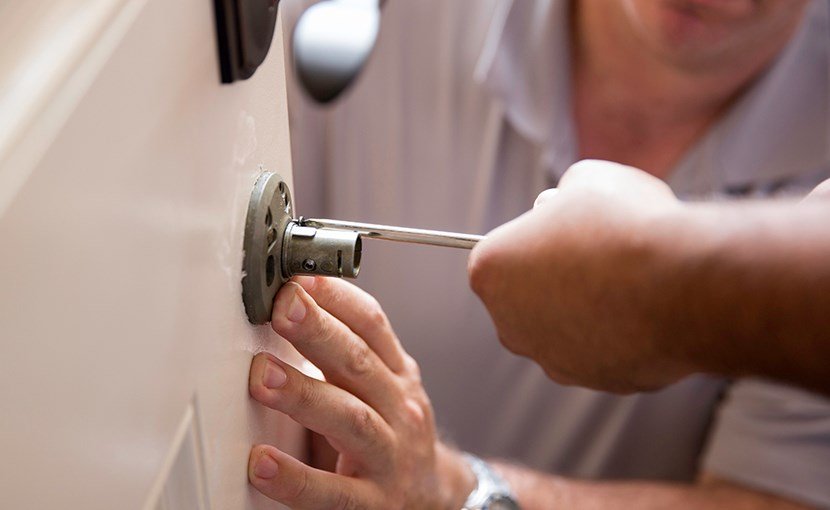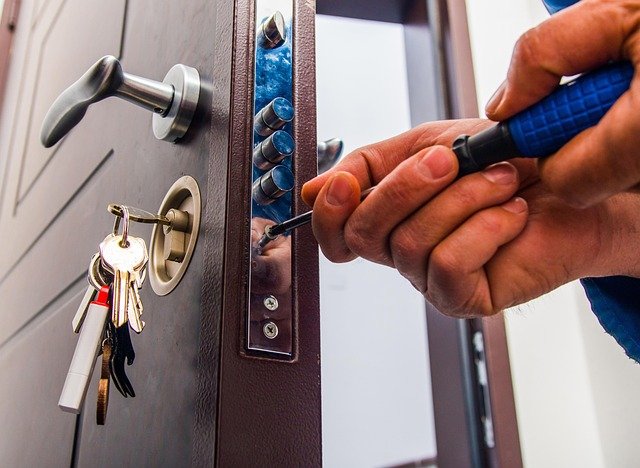
The locksmith profession is built on trust, technical skill, and strict adherence to regulations. For both consumers and professionals, understanding licensed locksmith industry standards is essential. These standards not only protect property and personal security but also ensure that locksmiths operate with integrity and accountability. In this article, we’ll break down the key requirements, certifications, and best practices that define the modern locksmith field.
Whether you’re seeking a reputable locksmith or considering a career in the trade, knowing what sets licensed professionals apart is crucial. We’ll explore the regulatory landscape, what licensing involves, and how to verify credentials. For those interested in local compliance, the licensed locksmith local ordinance compliance guide offers further insight into municipal requirements.
Understanding Professional Locksmith Certification
Locksmiths must meet a range of requirements before they can legally operate. These requirements vary by region but generally include background checks, formal training, and passing a licensing exam. The goal is to ensure that only qualified individuals are entrusted with sensitive security work.
Certification is often the first step. Many states and provinces require locksmiths to complete an approved training program, which covers lock mechanisms, security systems, and ethical standards. After training, candidates must pass a written and practical exam to demonstrate their knowledge and skills.
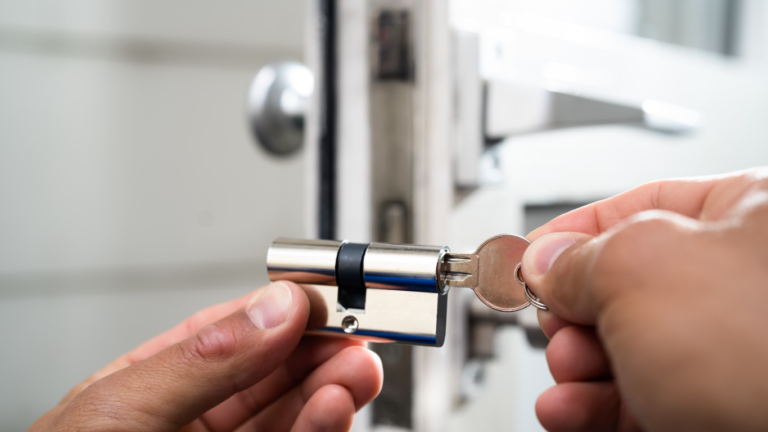
Key Elements of Licensed Locksmith Industry Standards
At the heart of licensed locksmith industry standards are several core principles designed to protect consumers and uphold the reputation of the trade. These include:
- Background Checks: Most licensing authorities require a criminal background check to ensure trustworthiness.
- Insurance and Bonding: Licensed locksmiths are typically required to carry liability insurance and, in many cases, be bonded. This protects clients from potential damages or losses.
- Continuing Education: The security industry evolves rapidly. Many jurisdictions require ongoing education to keep licenses current and skills up to date.
- Compliance with Local Laws: Locksmiths must adhere to all relevant local and state regulations, which may include business registration, signage requirements, and more.
- Transparent Pricing: Ethical standards dictate that locksmiths provide clear, upfront pricing and written estimates before starting work.
For more details on how to check a professional’s credentials, the licensed locksmith public database lookup resource can be invaluable.
Why Licensing and Regulation Matter
The locksmith trade deals directly with the security of homes, businesses, and vehicles. Without proper oversight, there is a risk of fraud, substandard work, or even criminal activity. Licensing and regulation help to:
- Protect consumers from unqualified or unscrupulous operators
- Establish a baseline of technical proficiency and ethical conduct
- Provide a mechanism for accountability and dispute resolution
- Promote public trust in the locksmith profession
If you’re concerned about potential violations, the licensed locksmith penalty for violations guide outlines the consequences for non-compliance.
How to Verify a Locksmith’s Credentials
Verifying a locksmith’s license and insurance is an important step before hiring. Most regions maintain a public database where consumers can check the status of a professional’s credentials. Additionally, reputable locksmiths will display their license number on business cards, vehicles, and invoices.
For a step-by-step approach, see this comprehensive guide to verifying locksmith licensing and insurance. This resource explains what to look for and how to avoid common scams.
Maintaining Compliance With Locksmith Standards
Once licensed, locksmiths must maintain compliance with all applicable standards. This includes renewing licenses as required, staying current with industry developments, and following all local ordinances. For those seeking agency contacts or needing to report issues, the licensed locksmith regulatory agency contact directory can help connect you with the right authorities.
Additionally, reputable locksmiths are transparent about their business practices. They provide written contracts, detailed invoices, and clear cancellation policies. For more on this topic, the licensed locksmith cancellation policy guide outlines consumer rights and expectations.
Common Challenges and Evolving Best Practices
The locksmith industry faces ongoing challenges, including technological advancements and the rise of digital security systems. As a result, standards continue to evolve. Today’s professionals must be familiar not only with mechanical locks but also with electronic access control, smart locks, and integrated security solutions.
Ongoing education and training are critical. Many licensing bodies require proof of continuing education as part of the renewal process. This ensures that locksmiths remain up to date with the latest tools, techniques, and regulations.
Frequently Asked Questions
What are the main requirements for becoming a licensed locksmith?
Most regions require locksmiths to complete formal training, pass a background check, and succeed in a licensing exam. Additional requirements may include insurance, bonding, and ongoing education.
How can I check if a locksmith is properly licensed?
You can usually verify a locksmith’s license through a public database maintained by the local regulatory authority. Ask the locksmith for their license number and confirm it matches official records.
Why is it important to hire a licensed professional?
Licensed locksmiths are held to rigorous standards of skill and ethics. Hiring a licensed professional helps protect your property, ensures quality workmanship, and provides recourse in case of disputes.
What should I do if I suspect a locksmith is operating without a license?
If you believe someone is offering locksmith services without proper credentials, report the incident to your local regulatory agency. This helps protect others from potential fraud or substandard work.