Ensuring the safety and security of business premises is a top priority for any organization. Whether you manage a small storefront or a large office complex, having a licensed locksmith for commercial properties is essential for protecting assets, employees, and sensitive information. Professional locksmiths offer a range of services tailored to the unique needs of commercial spaces, from installing high-security locks to providing emergency access solutions.
Understanding what sets a certified commercial locksmith apart, and how to choose the right provider, can make a significant difference in your overall security strategy. This article explores the key considerations, benefits, and best practices for working with qualified professionals in the field.
For those interested in regulatory standards and transparency, you may find the licensed locksmith service transparency rules particularly useful when evaluating potential partners.
Why Businesses Need Certified Locksmiths
Commercial properties face unique security challenges that differ from residential needs. A licensed locksmith for commercial properties brings specialized expertise in handling complex locking systems, access control, and compliance requirements. These professionals are trained to assess vulnerabilities, recommend appropriate solutions, and ensure that all installations meet local and industry standards.
The risks of relying on unlicensed or inexperienced technicians include poor installation, subpar materials, and even potential legal liabilities. By choosing a certified expert, businesses gain peace of mind knowing that their security infrastructure is both robust and compliant.

Key Services Offered by Commercial Locksmiths
Modern business environments require more than just traditional lock-and-key solutions. A commercial locksmith can provide a comprehensive suite of services designed to address the evolving needs of organizations. Some of the most common offerings include:
- High-security lock installation: Upgrading to advanced locking mechanisms to deter unauthorized entry.
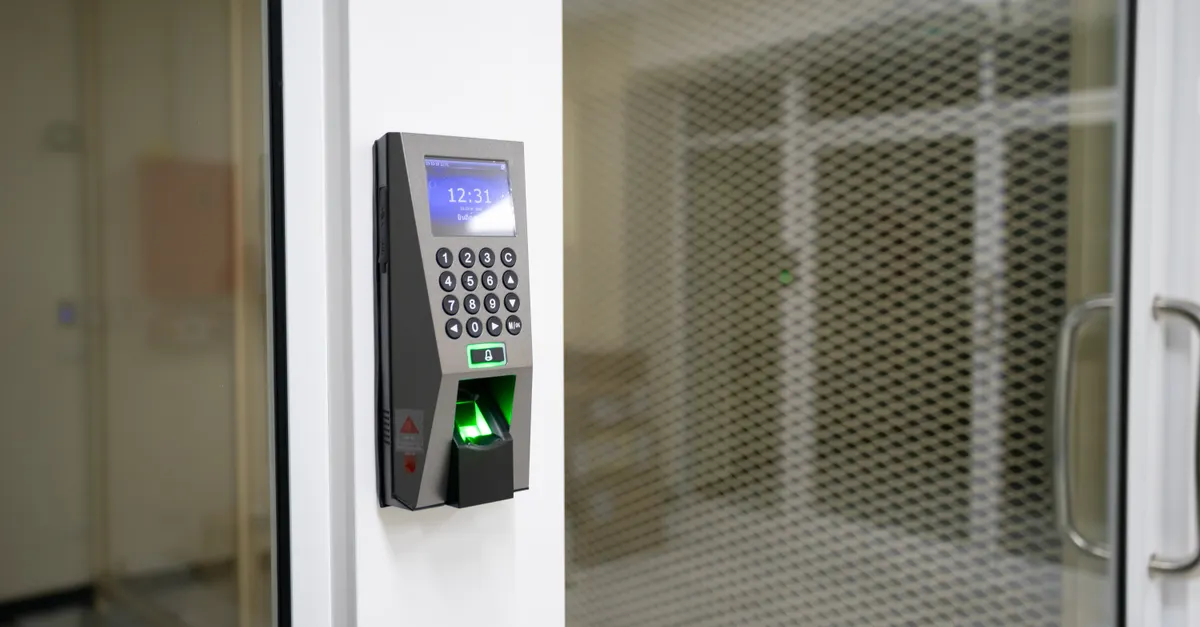
- Access control systems: Implementing electronic keypads, card readers, or biometric systems for controlled entry.
- Master key systems: Creating hierarchical access for different staff levels while maintaining overall security.
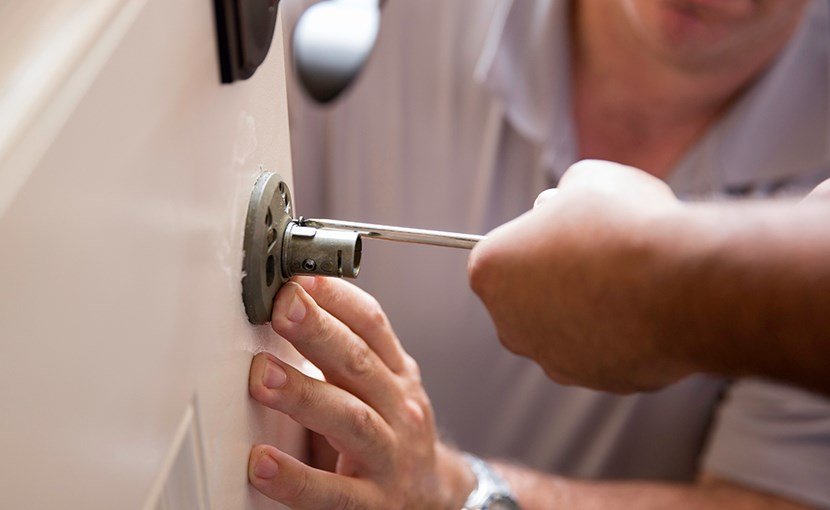
- Lock repair and rekeying: Addressing wear and tear or changing access after staff turnover.
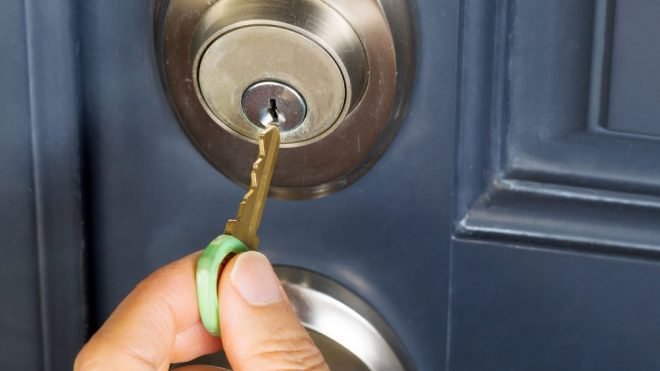
- Emergency lockout services: Providing rapid response for lost keys or accidental lockouts.
- Security audits and consultations: Assessing current measures and recommending improvements.
These services are tailored to minimize downtime, reduce risk, and ensure that only authorized personnel can access sensitive areas.
Choosing a Qualified Locksmith for Your Business
Selecting the right provider is critical for long-term security and compliance. When evaluating candidates, consider the following factors:
- Licensing and certification: Verify that the locksmith holds all necessary state or local licenses and is bonded and insured.
- Experience with commercial properties: Look for a track record of working with businesses similar to yours.
- References and reviews: Check testimonials and online ratings to gauge reliability and professionalism.
- Transparency in pricing and services: Ensure that quotes are clear and there are no hidden fees.
- Availability: Opt for providers who offer 24/7 emergency support and fast response times.
For more information on how professional locksmiths can benefit your organization, see this detailed guide on the importance of commercial locksmith services.
Compliance, Documentation, and Insurance Considerations
In addition to physical security, businesses must also consider compliance with insurance and regulatory requirements. Proper documentation of all locksmith work is often necessary for insurance claims and audits. Working with a licensed locksmith for commercial properties ensures that all installations and repairs are properly recorded and meet industry standards.
If you need guidance on navigating insurance claims or maintaining accurate records, resources like the licensed locksmith insurance claim assistance and licensed locksmith documentation for insurance can help clarify the process.
Emergency Preparedness and Ongoing Support
Security threats and emergencies can arise unexpectedly. Having a trusted partner who understands the specific needs of commercial environments is invaluable. Many locksmiths offer ongoing maintenance contracts, periodic security reviews, and rapid response for urgent situations.
For organizations seeking to strengthen their emergency protocols, the licensed locksmith emergency preparedness guide provides actionable tips for minimizing risks and ensuring business continuity.
Expanding Security with Franchise Opportunities
As the demand for professional security services grows, some businesses may consider expanding their offerings or investing in established brands. Exploring licensed locksmith franchise opportunities can be a strategic way to enter the commercial security market with the backing of proven systems and support.
Frequently Asked Questions
What qualifications should a commercial locksmith have?
A reputable provider should be licensed, bonded, and insured. They should also have specialized training in commercial security systems and a proven track record of working with businesses.
How often should locks be changed or rekeyed in a business?
It’s recommended to rekey or replace locks whenever there is staff turnover, after a security breach, or as part of regular security audits. Periodic updates help maintain optimal protection.
Can a commercial locksmith help with electronic access control systems?
Yes, many professionals are trained to install, maintain, and troubleshoot electronic access systems, including keypads, card readers, and biometric devices, ensuring secure and convenient entry management.