Becoming a professional locksmith is a rewarding career path, but it requires meeting specific standards set by state and local authorities. Understanding licensed locksmith exam requirements is essential for anyone interested in entering the field or expanding their current credentials. These requirements ensure that locksmiths have the necessary skills, knowledge, and ethical grounding to provide secure and reliable services to the public.
In this article, you’ll find a clear overview of the typical steps involved in qualifying for licensure, what to expect from the examination process, and how to prepare effectively. We’ll also touch on related topics such as background checks, continuing education, and the importance of transparency in locksmith services. For those seeking more information on regulatory standards, the licensed locksmith service transparency rules offer valuable insights into the expectations for professional conduct in the industry.

Understanding the Path to Locksmith Licensure
The journey to becoming a certified locksmith varies by region, but most areas require candidates to complete a combination of formal training, hands-on experience, and a comprehensive assessment. These steps are designed to verify that applicants possess both the technical expertise and ethical standards necessary for the trade.
Typically, aspiring locksmiths must be at least 18 years old and have a clean criminal record. Many states and municipalities also require fingerprinting and background checks to ensure public safety. Some regions may have additional prerequisites, such as a high school diploma or equivalent.
Key Components of Locksmith Certification Exams
The core of locksmith licensing requirements is the examination process. These tests are structured to assess a candidate’s knowledge of lock mechanisms, security systems, and applicable laws. While the format and content can differ depending on the jurisdiction, most exams include both written and practical components.

Written tests usually cover topics such as:
- Lock types and their mechanisms
- Key identification and duplication
- Safe installation and servicing
- Electronic security systems
- State and federal laws regarding locksmithing
- Ethical standards and privacy considerations
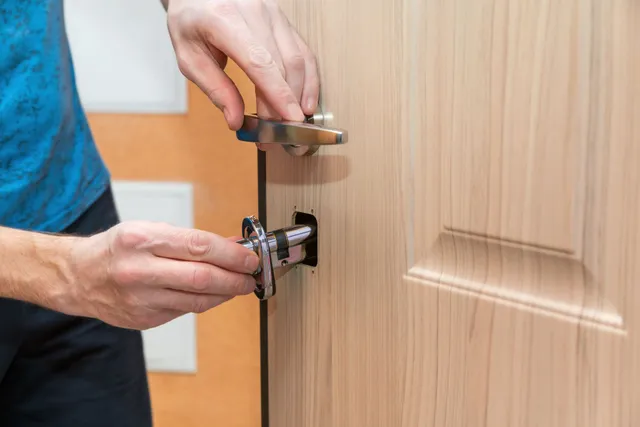
Practical assessments may require candidates to demonstrate skills like picking locks, rekeying, or installing various security devices. These hands-on tasks ensure that applicants can apply their knowledge in real-world scenarios.
State-Specific Variations in Exam Requirements
Not all regions have identical standards for locksmith certification. Some states, such as California and Texas, have highly regulated processes with detailed testing and ongoing education mandates. Others may have more streamlined procedures or only require registration without formal exams.
It’s important to research the specific guidelines in your area before beginning your training. Local locksmith associations and regulatory boards are excellent resources for up-to-date information on licensed locksmith exam requirements and related policies.
Preparing for the Locksmith Licensing Test
Effective preparation is key to passing the necessary assessments. Many candidates choose to enroll in accredited locksmith training programs, which offer both classroom instruction and supervised practical experience. These courses often cover the full range of topics found on licensing exams and may provide valuable study materials.
In addition to formal education, hands-on practice is crucial. Working under the supervision of an experienced locksmith can help reinforce technical skills and build confidence. Some states require a minimum number of apprenticeship hours before candidates are eligible to sit for the exam.
Practice exams and study guides are widely available and can help candidates familiarize themselves with the test format. Reviewing sample questions, especially those related to state-specific laws and ethical scenarios, is highly recommended.
Background Checks and Ethical Standards
A critical aspect of the licensing process is the background check. Authorities conduct these checks to ensure that locksmiths are trustworthy and have no history of offenses that could compromise public safety. Applicants with certain criminal convictions may be disqualified or required to provide additional documentation.
Ethical standards are also emphasized throughout the certification process. Locksmiths are often entrusted with sensitive information and access to private property, so maintaining integrity and professionalism is non-negotiable. Many licensing boards require applicants to agree to a code of conduct as part of their application.
Continuing Education and License Renewal
Once licensed, locksmiths are typically required to renew their credentials periodically. Renewal often involves completing continuing education courses to stay current with evolving technologies and industry best practices. This ongoing learning ensures that professionals remain equipped to handle new security challenges and maintain high standards of service.
For those interested in expanding their business or exploring specialized services, additional certifications may be available. For example, commercial locksmithing, safe servicing, and electronic security systems often require separate endorsements or advanced training.
Why Regulatory Standards Matter in Locksmithing
The primary goal of locksmith licensing standards is to protect consumers and uphold the reputation of the profession. By requiring rigorous testing and ethical oversight, authorities help ensure that only qualified individuals can offer locksmith services. This reduces the risk of fraud, protects property, and fosters trust between locksmiths and their clients.
For business owners, working with a licensed professional is especially important. As highlighted in this guide to commercial locksmith services, proper credentials are a key factor in choosing a trustworthy provider.
Additional Resources for Locksmith Professionals
Those preparing for certification or seeking to expand their knowledge can benefit from a variety of resources. Industry associations, local regulatory boards, and accredited training centers all provide valuable support. For individuals interested in specialized topics, such as licensed locksmith insurance claim assistance or emergency preparedness, targeted guides are available to help navigate complex requirements.
Frequently Asked Questions
What are the most common topics covered on locksmith licensing exams?
Most exams assess knowledge of lock mechanisms, key duplication, safe servicing, electronic security systems, and relevant laws. Ethical standards and privacy considerations are also frequently included.
Is hands-on experience required before taking the licensing test?
In many states, practical experience is mandatory. This may involve completing an apprenticeship or a set number of supervised hours to ensure candidates can apply their skills in real-world situations.
How often do locksmith licenses need to be renewed?
Renewal periods vary by jurisdiction, but most require renewal every one to three years. Continuing education is often necessary to maintain licensure and stay updated on industry developments.