When it comes to keeping your property secure, few things are as critical as having reliable door locks. Over time, locks can wear out, become outdated, or simply stop functioning as they should. In these situations, working with a licensed locksmith door lock replacement professional ensures that your home or business remains protected. This article covers what to expect from a certified locksmith, why professional lock replacement matters, and how to make informed decisions about your security.
Whether you’re upgrading for better security, dealing with a broken lock, or responding to a recent move, understanding the process and benefits of hiring a qualified expert can save you time and stress. We’ll also touch on related services, such as licensed locksmith commercial door hardware services, to help you make the best choice for your needs.
Why Choose a Certified Locksmith for Lock Replacement?
Entrusting your security to a professional is not just about convenience—it’s about ensuring the job is done right. A licensed locksmith door lock replacement specialist brings expertise, proper tools, and up-to-date knowledge of the latest locking technologies. Unlike DIY solutions or unlicensed handymen, certified locksmiths are trained to handle a variety of lock types and security scenarios.
- Expertise: Licensed professionals understand the mechanics of different locks and can recommend the best options for your specific doors and security needs.
- Compliance: Many insurance policies require that lock work be performed by a certified technician to maintain coverage.
- Peace of Mind: Knowing your locks are installed correctly reduces the risk of break-ins and malfunctions.
If you’re interested in learning more about the standards and protections involved, you can explore topics like licensed locksmith liability coverage for additional peace of mind.
When Should You Replace Your Door Locks?
There are several scenarios where replacing your door locks is not just recommended but necessary. Recognizing these situations early can help you avoid security risks and costly repairs down the line.
- After Moving: Previous occupants or contractors may still have keys. Replacing locks ensures only you have access.
- Following a Break-In: If your property has been compromised, upgrading your locks is a critical step in restoring security.
- Lost or Stolen Keys: If you can’t account for all copies of your keys, it’s safer to change the locks.
- Worn or Damaged Locks: Over time, locks can become difficult to operate or may stop working altogether.
- Upgrading Security: Modern locks offer features like smart access, bump resistance, and higher-grade materials.

What to Expect During a Professional Lock Change
The process of replacing a lock with the help of a licensed locksmith is straightforward but thorough. Here’s what typically happens:
- Assessment: The locksmith will inspect your current locks and doors to determine the best replacement options.
- Recommendation: Based on your needs—security level, door type, budget—they’ll suggest suitable lock models.
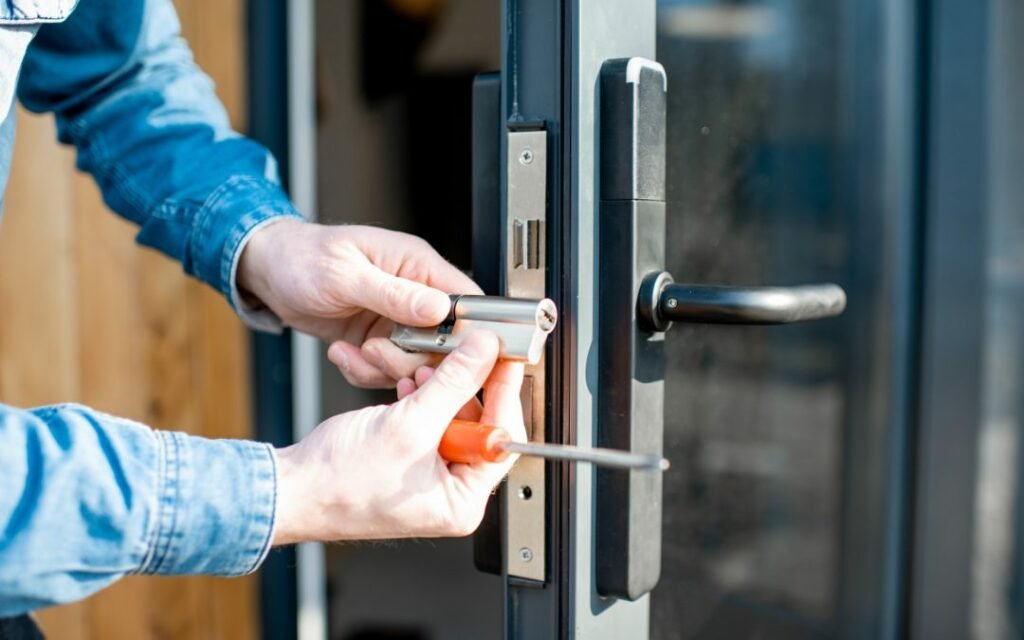
- Removal: The old lock is carefully removed, ensuring no damage to your door or frame.
- Installation: The new lock is fitted, aligned, and tested for smooth operation.
- Key Handover: You’ll receive new keys, and the locksmith will confirm that everything works as intended.
For businesses or those with specialized security needs, you might also want to consider services such as licensed locksmith vault services or safe installations.
How to Verify Your Locksmith’s Credentials
Not all locksmiths are created equal. To ensure you’re working with a reputable professional, always check for licensing and insurance. Many regions require locksmiths to be licensed, which helps protect consumers from fraud and subpar work.
You can find detailed steps on how to verify that you have hired a licensed locksmith to avoid scams and ensure your security is in good hands.
Additionally, ask for identification and a written estimate before any work begins. Reputable locksmiths will always provide clear pricing and documentation, such as those outlined in licensed locksmith invoice standards.

Types of Locks and Replacement Options
The world of locks is more diverse than many realize. When planning a door lock replacement, it’s helpful to understand the main types available:
- Deadbolts: A staple for exterior doors, offering strong resistance to forced entry.
- Knob and Lever Locks: Common for interior doors, but less secure for exteriors unless paired with a deadbolt.
- Smart Locks: Allow keyless entry via codes, smartphones, or biometrics, and can be integrated with home automation systems.
- High-Security Cylinders: Designed to resist picking, drilling, and bumping.
- Mortise Locks: Often found in older or commercial buildings, these offer robust security and durability.
A licensed locksmith can help you weigh the pros and cons of each option, ensuring your new locks match your security goals and daily routines.
Cost Factors in Professional Lock Replacement
The price for replacing a lock can vary based on several factors:
- Type of Lock: High-security and smart locks generally cost more than standard models.
- Number of Locks: Replacing multiple locks at once may qualify for a bundled rate.
- Labor and Service Fees: Emergency services or after-hours calls may incur additional charges.
- Location: Urban areas or remote locations can affect travel and service fees.
Always request a detailed estimate before work begins. This transparency helps you avoid surprises and ensures you’re getting fair value for your investment.
Frequently Asked Questions
How do I know if my locksmith is licensed?
Ask to see their license and verify it with your local regulatory authority. Many locksmiths also display their credentials on their website or business cards. For more guidance, refer to resources on verifying a locksmith’s legitimacy.
Can a locksmith replace any type of door lock?
Most certified professionals are trained to work with a wide range of locks, including residential, commercial, and high-security models. However, it’s always best to confirm their experience with your specific lock type before scheduling service.
Is it better to rekey or replace my locks?
Rekeying is a cost-effective option if your locks are in good condition and you simply want to change who has access. Replacement is recommended if the locks are worn, outdated, or if you want to upgrade to a more secure or modern system.
How long does a professional lock replacement take?
Most standard lock changes can be completed in 20–40 minutes per lock. Complex installations, such as smart locks or mortise systems, may take longer.
Will replacing my locks affect my door or frame?
A skilled locksmith will ensure that the new lock fits properly and does not damage your door or frame. If modifications are needed, they will discuss this with you before proceeding.
Working with a licensed locksmith for your door lock replacement needs is a smart investment in your property’s safety and your own peace of mind. By understanding your options and choosing a qualified professional, you can ensure your locks are secure, reliable, and up to modern standards.