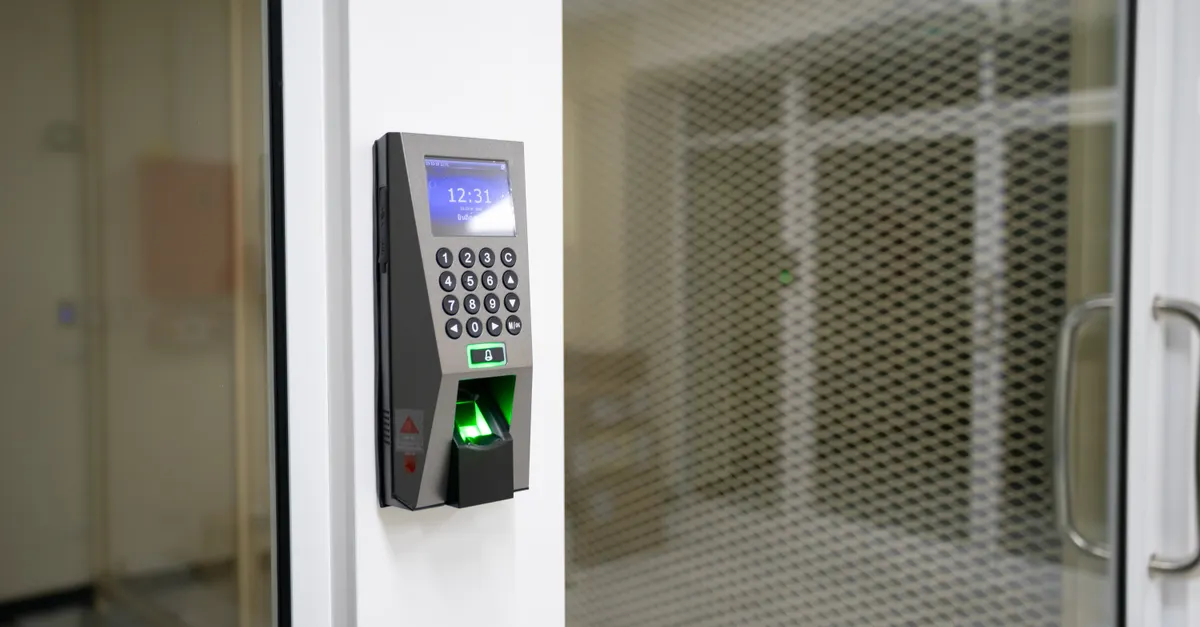
When hiring a locksmith for residential, commercial, or automotive needs, understanding the licensed locksmith contract requirements is essential for both security and legal compliance. Contracts with professional locksmiths protect clients by clarifying the scope of work, costs, and responsibilities. They also ensure that the locksmith operates within the boundaries of local and state regulations, which can vary significantly. Whether you are a property manager, business owner, or homeowner, knowing what to look for in these agreements helps prevent misunderstandings and ensures quality service.
This article outlines the core elements of locksmith contracts, explains why licensing matters, and highlights what clients should expect before signing any agreement. For those interested in specialized services, such as licensed locksmith restricted key agreement solutions, understanding contract details is even more critical.
Why Licensing and Contracts Matter in Locksmith Services
Not all locksmiths are created equal. Working with a licensed professional ensures that the individual or company has met the necessary training, background checks, and insurance requirements mandated by local authorities. A formal contract further protects both parties by documenting the agreed-upon work, pricing, and timelines.
Licensing requirements are designed to safeguard consumers from fraud, substandard work, and potential security risks. In many regions, locksmiths must pass background checks and maintain ongoing education to keep their licenses current. Contracts, meanwhile, provide a written record that can be referenced if disputes arise, making them a best practice for any locksmith project.
Key Elements of a Locksmith Service Agreement
A well-drafted locksmith contract should clearly outline the expectations and obligations of both the client and the service provider. Here are the essential components to look for:
- Identification of Parties: The contract should specify the names and contact details of both the locksmith and the client.
- Scope of Work: A detailed description of the services to be performed, such as lock installation, repair, rekeying, or emergency access.
- Licensing Information: The locksmith’s license number and issuing authority, verifying that they are authorized to operate in your area.
- Pricing and Payment Terms: Clear breakdown of costs, including labor, materials, and any additional fees. Payment schedules and accepted methods should also be included.
- Timeline: Estimated start and completion dates for the project.
- Warranty and Guarantees: Information on warranties for parts and labor, as well as any satisfaction guarantees.
- Liability and Insurance: Confirmation that the locksmith carries appropriate insurance to cover accidental damage or injury.
- Cancellation and Termination: Terms outlining how either party can cancel or terminate the agreement, and any associated penalties.
- Signatures: Both parties should sign and date the contract to make it legally binding.
Understanding Local and State Regulations
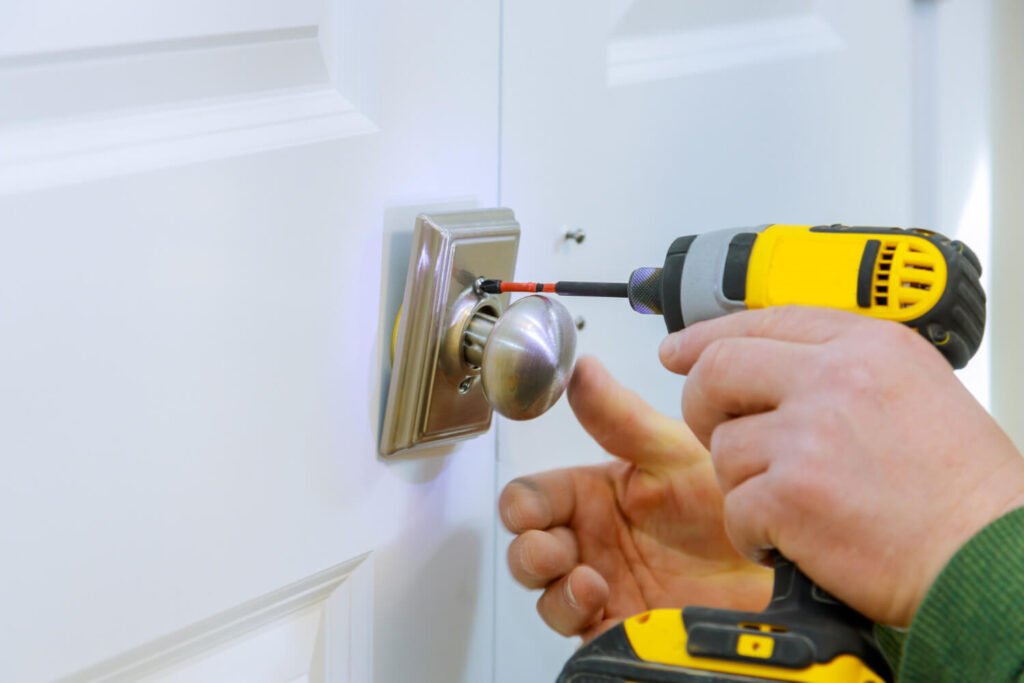
The specifics of licensed locksmith contract requirements can differ based on your location. Some states require locksmiths to be registered with a state board, while others may have city or county-level regulations. Always verify that your locksmith’s license is valid and up to date. You can typically check this information through local government websites or by requesting documentation directly from the service provider.
In addition to licensing, some jurisdictions require locksmiths to carry specific types of insurance or bonding. These requirements are in place to protect consumers from financial loss in the event of property damage or incomplete work. Before signing any contract, ask for proof of insurance and confirm that it covers the type of work being performed.
Common Pitfalls and How to Avoid Them
Even with a contract in place, misunderstandings can occur. Here are some common issues and tips for avoiding them:
- Vague Descriptions: Ensure that the scope of work is detailed and specific. Avoid agreements that use generic language or fail to list all services.
- Hidden Fees: Ask for a complete breakdown of costs before work begins. Clarify if there are additional charges for emergency services, travel, or after-hours calls.
- Lack of Licensing Information: Never proceed with a locksmith who cannot provide proof of licensing and insurance.
- No Written Agreement: Verbal agreements are difficult to enforce. Always insist on a signed contract, even for small jobs.
- Unclear Warranty Terms: Make sure warranty coverage for parts and labor is clearly stated, including any exclusions.
Special Considerations for Automotive and Commercial Contracts
Contracts for automotive and commercial locksmith services often include additional requirements. For example, businesses may need to comply with industry-specific security standards or require background checks for locksmiths working on sensitive sites. Automotive contracts may specify the types of vehicles covered, the use of original manufacturer parts, or procedures for handling electronic security systems.
For more information on upgrading vehicle security, you can explore our licensed locksmith automotive security upgrades resource. Commercial clients should also review policies related to master key systems and access control, which often require more detailed agreements.
How to Verify a Locksmith’s Credentials
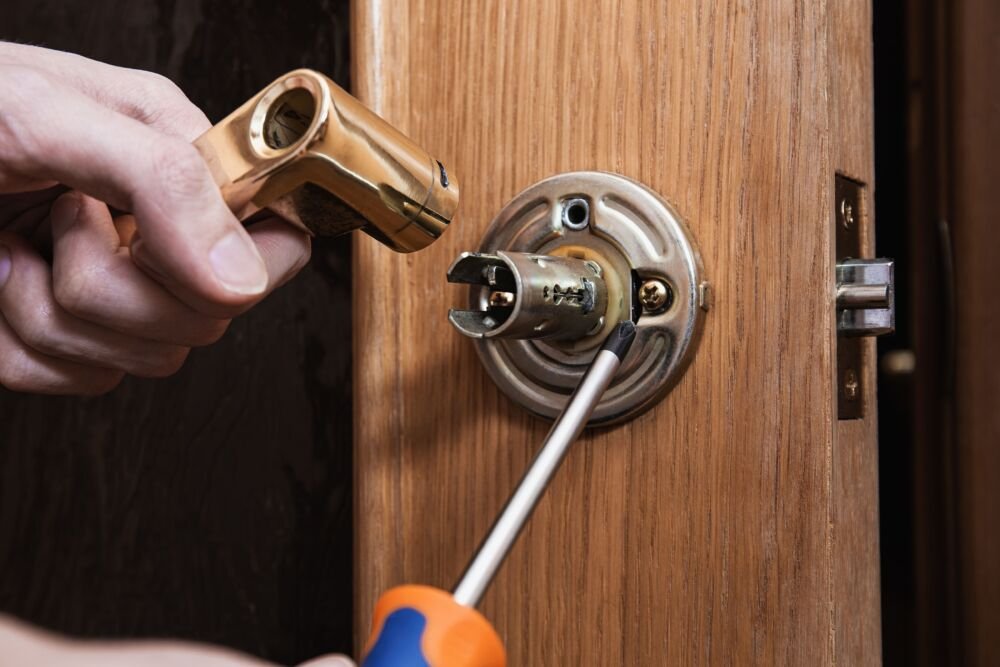
Before entering into any agreement, take the following steps to confirm that your locksmith is qualified and trustworthy:
- Request the locksmith’s license number and verify it with the relevant local or state authority.
- Ask for proof of insurance and bonding.
- Check for membership in professional organizations, which often require adherence to ethical standards.
- Read reviews and testimonials from previous clients.
- Review the contract carefully before signing, and do not hesitate to ask questions about any unclear terms.
For a deeper look at what to expect from certified professionals, see this guide to locksmith certification and licensing.
What to Do If a Dispute Arises
Even with a thorough contract, disagreements can happen. If you encounter issues such as incomplete work, unexpected charges, or warranty disputes, start by communicating directly with the locksmith. Reference the signed agreement to support your position. If the issue cannot be resolved, you may consider mediation, filing a complaint with a local licensing board, or seeking legal advice.
In some cases, locksmiths offer additional services such as break-in repair services or door lock replacement. Always ensure that any additional work is documented and agreed upon in writing to avoid future misunderstandings.
Frequently Asked Questions
What information should always be included in a locksmith contract?
Every agreement should clearly state the names of both parties, a detailed description of the work, the locksmith’s license information, pricing and payment terms, project timeline, warranty details, insurance coverage, and the signatures of both parties.
How can I verify that a locksmith is properly licensed?
Ask for the locksmith’s license number and check it with your local or state licensing authority. You can also request proof of insurance and look for membership in recognized professional organizations.
Are there different contract requirements for commercial or automotive locksmith services?
Yes. Commercial and automotive projects often require more detailed contracts, including compliance with specific security standards, background checks, and additional insurance. Always review the agreement carefully to ensure it meets your unique needs.