For any business, safeguarding assets, sensitive information, and the safety of employees is a top priority. A licensed locksmith commercial security audit is one of the most effective ways to identify vulnerabilities and ensure your premises are protected against unauthorized access, theft, and other security threats. This guide explains what a professional security assessment involves, why it matters, and how to prepare your business for a thorough evaluation.
Commercial properties face unique risks that differ from residential environments. From complex access control systems to compliance with insurance requirements, business owners need a comprehensive approach to security. Working with a certified locksmith ensures that your audit is performed by an expert who understands both the technical and regulatory aspects of commercial protection.
If you’re interested in compliance and transparency, you may also want to review the licensed locksmith service transparency rules for further insight into what to expect from reputable providers.
Understanding the Role of a Professional Security Assessment
A commercial security audit conducted by a licensed locksmith is a systematic review of all entry points, locking mechanisms, electronic access controls, and related security infrastructure. The goal is to identify weaknesses before they can be exploited, and to recommend practical improvements tailored to your specific business environment.
Unlike a basic inspection, a comprehensive audit covers not just doors and locks, but also windows, emergency exits, alarm systems, surveillance cameras, and even employee access protocols. The expertise of a licensed professional ensures that recommendations are both effective and compliant with local regulations.

Key Components of a Commercial Security Audit
A thorough assessment by a certified locksmith typically includes the following steps:
- Physical Entry Points: Examination of all doors, windows, and loading docks for structural integrity and lock quality.
- Lock and Key Systems: Evaluation of mechanical and electronic locks, master key systems, and key control policies.
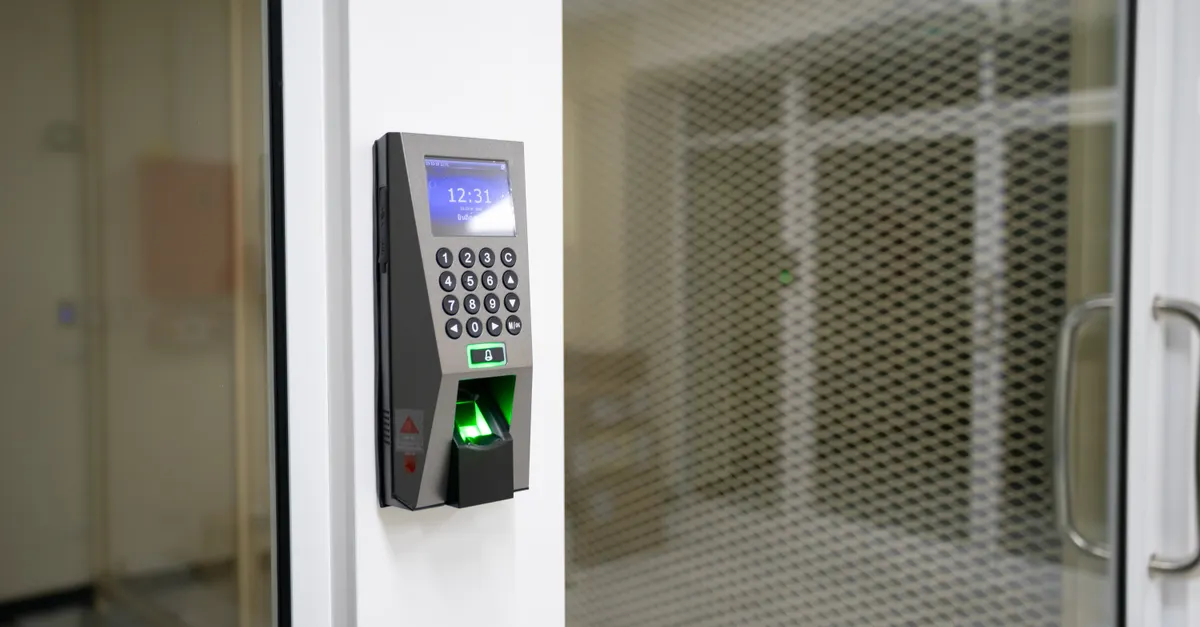
- Access Control: Review of card readers, biometric systems, and remote access points to ensure only authorized personnel can enter restricted areas.
- Alarm and Surveillance: Inspection of alarm panels, motion sensors, and CCTV placement for optimal coverage and functionality.
- Emergency Exits: Verification that all emergency exits are secure but accessible during an evacuation, and compliant with fire codes.
- Employee Procedures: Assessment of staff training, visitor management protocols, and response plans for security incidents.
Each of these elements is critical for a robust defense against both external and internal threats.
Why Choose a Licensed Locksmith for Your Audit?
Not all security professionals are created equal. A licensed locksmith commercial security audit offers several advantages:
- Verified Expertise: Licensed locksmiths have undergone background checks, formal training, and certification processes.
- Up-to-Date Knowledge: They stay current with the latest security technologies and legal requirements.
- Insurance and Liability: Working with a licensed provider can help with insurance claims and may even reduce premiums. For more on this, see the details about licensed locksmith documentation for insurance.
- Accountability: Licensed professionals are bound by industry regulations and ethical standards, providing peace of mind for business owners.
Choosing a certified expert ensures that your audit is both thorough and trustworthy.
How the Audit Process Works
The process typically begins with an initial consultation, where the locksmith gathers information about your business operations, hours, and any previous security incidents. Next, the on-site assessment is conducted, which may take several hours depending on the size and complexity of your property.
After the inspection, you’ll receive a detailed report outlining vulnerabilities, prioritized recommendations, and estimated costs for any suggested upgrades. This report can be used to guide future investments and demonstrate due diligence for insurance or regulatory purposes.

Common Vulnerabilities Uncovered During Audits
A commercial locksmith security assessment often reveals issues that may not be obvious to business owners or facility managers. Some of the most frequent findings include:
- Outdated or easily bypassed locks on exterior doors
- Missing or malfunctioning security cameras in critical areas
- Poorly managed master key systems, leading to lost or unaccounted-for keys
- Unsecured windows or skylights, especially on upper floors
- Gaps in alarm coverage or failure to regularly test alarm systems
- Inadequate procedures for terminating access when employees leave
Addressing these weaknesses can significantly reduce the risk of break-ins, theft, or unauthorized access.
Preparing for a Security Audit
To get the most value from your assessment, consider these preparation steps:
- Gather all keys, access cards, and codes for review
- Provide floor plans and a list of all entry points
- Compile records of recent security incidents or attempted breaches
- Identify areas with sensitive data or high-value assets
- Inform staff about the audit and encourage cooperation
Being organized helps the locksmith conduct a more efficient and effective evaluation.
Integrating Modern Technology Into Your Security Plan
Modern businesses benefit from integrating advanced technology with traditional physical security. During a licensed locksmith commercial security audit, the expert may recommend upgrades such as:
- Smart locks and electronic access control systems
- Cloud-based surveillance with remote monitoring
- Keyless entry for staff and contractors
- Integration with alarm and fire systems for unified response
For businesses using key fobs, understanding related technologies like a key fob signal booster can also enhance overall security and convenience.
Compliance, Documentation, and Insurance Considerations
Many industries require proof of regular security audits for compliance or insurance purposes. A report from a licensed locksmith provides credible documentation that your business has taken reasonable steps to protect its assets and personnel. This can be invaluable if you ever need to file a claim or demonstrate compliance during an inspection.
For a deeper understanding of locksmith licensing and its importance, you can refer to this comprehensive guide to locksmith licenses.
Frequently Asked Questions
What is the difference between a security audit and a standard lock inspection?
A standard lock inspection focuses only on the condition and function of locks, while a commercial locksmith security audit reviews the entire security ecosystem, including access controls, alarms, surveillance, and employee protocols.
How often should a business schedule a security assessment?
Most experts recommend conducting a professional security audit at least once a year, or whenever there are significant changes to your property, staff, or operations. Regular reviews help ensure your security measures stay effective as threats evolve.
Can a locksmith help with digital and electronic security systems?
Yes, many licensed locksmiths are trained in both mechanical and electronic security solutions. They can assess, install, and maintain access control systems, smart locks, and integrated alarm systems as part of a comprehensive audit.
A licensed locksmith commercial security audit is a proactive investment in your business’s safety, reputation, and operational continuity. By working with certified professionals and staying informed about the latest security practices, you can protect your assets and create a safer environment for everyone on your premises.