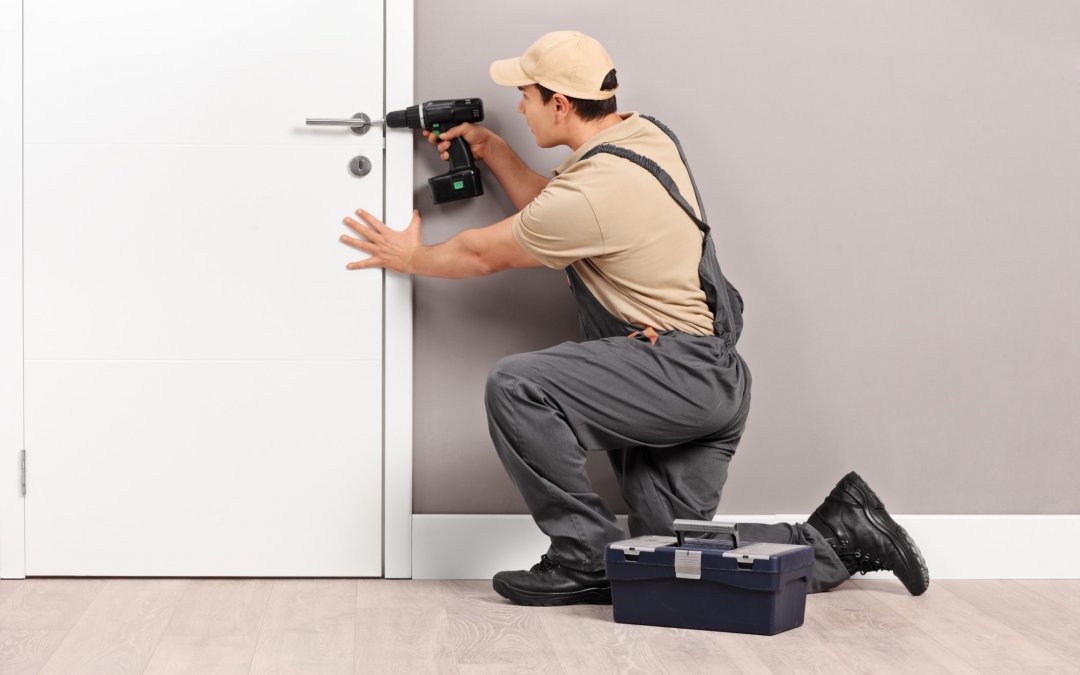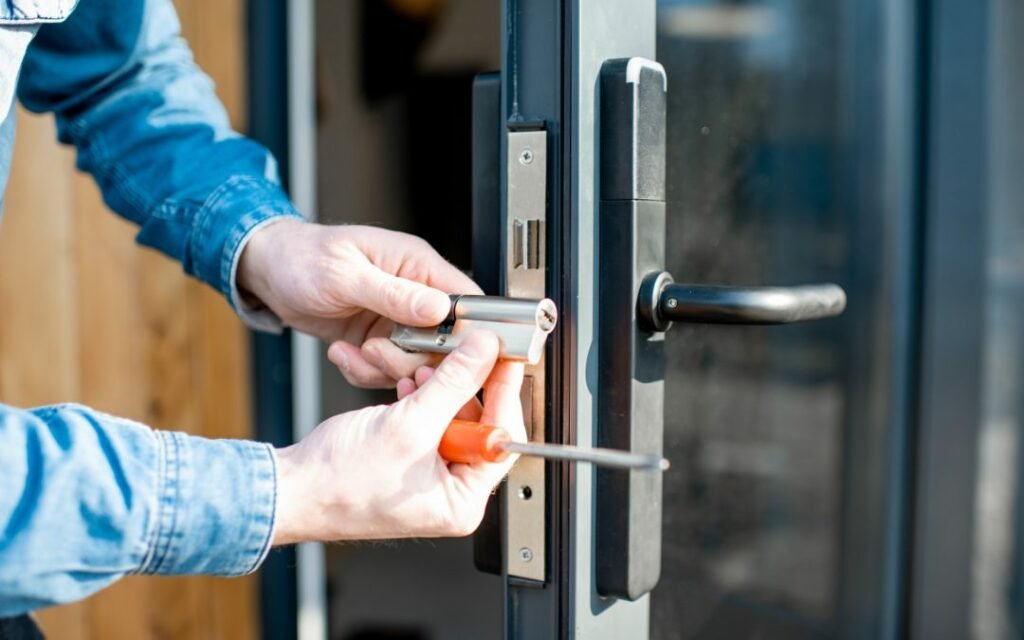
Experiencing a break-in can be unsettling and stressful, leaving property owners with urgent security concerns. Restoring safety and peace of mind often requires the expertise of a licensed locksmith who specializes in repairing damage caused by unauthorized entry. These professionals offer a range of solutions, from fixing compromised locks to reinforcing entry points and advising on upgraded security measures.
Choosing a reputable provider for licensed locksmith break in repair services is essential. Not only do you want quick and reliable repairs, but you also need assurance that your property’s security is restored to the highest standard. In this article, we’ll cover what these services involve, how to select a qualified locksmith, and what to expect during the repair process.
If you’re also interested in upgrading your locks after an incident, you may want to explore our comprehensive licensed locksmith door lock replacement resource for further guidance.
Understanding Break-In Damage and Security Risks
After a break-in, it’s common to discover damage to doors, windows, or locking mechanisms. Intruders may use force or tools to bypass security, leaving behind broken locks, splintered frames, or compromised hardware. These vulnerabilities not only affect immediate safety but can also make your property a target for future incidents if not addressed promptly.
A licensed locksmith conducts a thorough assessment to identify all points of entry that have been tampered with or damaged. This evaluation is crucial for recommending the right repairs and upgrades to restore your property’s integrity.

What to Expect from Professional Break-In Repair Services
When you contact a specialist for break-in repair services, the process typically involves several key steps:
- Initial Assessment: The locksmith inspects all affected entry points, noting visible and hidden damage.
- Lock and Hardware Repair: Damaged locks are repaired or replaced with new, secure models. Hinges, strike plates, and door frames may also be reinforced or fixed.
- Security Upgrades: Based on the assessment, the locksmith may recommend additional measures such as deadbolts, high-security locks, or smart lock systems.
- Testing and Verification: All repairs are tested to ensure proper function and enhanced security before the job is considered complete.
Many licensed professionals also provide advice on preventing future incidents, such as improving lighting, installing security cameras, or reinforcing vulnerable areas.
Why Choose a Licensed Locksmith for Break-In Repairs?
Not all locksmiths offer the same level of expertise or accountability. Selecting a licensed locksmith ensures that the technician has undergone proper training, adheres to industry standards, and is authorized to perform repairs in your area. This is particularly important for insurance claims and maintaining the validity of your property’s security systems.
Working with a licensed professional also means you benefit from up-to-date knowledge of the latest locking technologies and security best practices. This can be especially valuable when considering upgrades or integrating modern access solutions.
How to Verify Credentials and Avoid Scams
Unfortunately, the locksmith industry is not immune to scams or unqualified operators. To protect yourself, always verify a locksmith’s license and check for insurance and bonding. Request identification and a written estimate before any work begins. For more tips on selecting a trustworthy provider, see this guide to choosing a licensed, bonded, and insured locksmith.
Common Repairs After a Break-In
The scope of repairs after a forced entry varies depending on the methods used by the intruder and the type of property involved. Some of the most frequent repairs include:
- Lock Replacement: Installing new locks if the originals are damaged or compromised.
- Door Frame Reinforcement: Repairing or replacing splintered frames to restore structural integrity.
- Window Lock Repair: Fixing or upgrading window locks that have been forced open.
- Hardware Upgrades: Adding security plates, longer screws, or additional locking mechanisms for enhanced protection.

Additional Services and Security Upgrades
In addition to immediate repairs, many locksmiths offer services that further strengthen your property’s defenses. These can include:
- High-Security Lock Installation: Upgrading to locks that resist picking, drilling, and bumping.
- Electronic and Smart Locks: Integrating keyless entry systems for added convenience and control.
- Master Key Systems: Creating a system that allows different levels of access for various users.
- Security Consultations: Assessing overall property security and recommending improvements.
For businesses or those with specialized needs, you may also be interested in learning about licensed locksmith commercial door hardware services or licensed locksmith safe installation for protecting valuables.
Insurance Claims and Documentation
After a break-in, you may need to file an insurance claim for property damage and losses. Most insurers require detailed documentation of the repairs performed. A licensed locksmith will provide itemized invoices, descriptions of work completed, and proof of replacement parts. This paperwork is essential for ensuring your claim is processed smoothly.
For more information on what to expect from your locksmith’s paperwork, see our article on licensed locksmith invoice standards.
Frequently Asked Questions
How quickly can a locksmith respond after a break-in?
Most reputable locksmiths offer emergency response and can arrive within an hour, depending on your location and the time of day. Immediate service is crucial to secure your property and prevent further risk.
Are repairs by a licensed locksmith covered by insurance?
In many cases, repairs and replacements performed by a licensed professional are covered under property or homeowner’s insurance policies. Always check with your insurer and keep all documentation provided by the locksmith.
Can a locksmith recommend ways to prevent future break-ins?
Yes. In addition to repairing damage, most locksmiths will assess your property’s vulnerabilities and suggest upgrades such as stronger locks, security plates, or electronic access systems to reduce the risk of future incidents.
What should I do immediately after discovering a break-in?
First, ensure your safety and contact local authorities to report the incident. Avoid touching anything until the police have arrived. Once cleared, contact a licensed locksmith to assess and repair the damage.
Conclusion
Addressing the aftermath of a break-in requires prompt action and professional expertise. By choosing a licensed locksmith for break-in repairs, you ensure that your property is restored to a secure state with reliable, high-quality workmanship. Always verify credentials, document repairs for insurance, and consider further security enhancements to protect your home or business in the future.