As security technology continues to advance, more homeowners and businesses are turning to biometric locks for enhanced protection and convenience. Choosing a licensed locksmith for biometric lock installation is essential to ensure proper setup, compliance with regulations, and long-term reliability. This article explores the key aspects of working with certified professionals for biometric security solutions, including the benefits, process, and what to expect during installation.
Understanding the differences between certified and uncertified providers can help you make informed decisions about your property’s safety. For a deeper look at this topic, you may find the comparison between licensed locksmith vs unlicensed locksmith helpful before proceeding with your next security upgrade.
Why Choose a Certified Professional for Biometric Lock Services?
Biometric locks use unique physical characteristics, such as fingerprints or facial recognition, to grant access. While these systems offer advanced security, their effectiveness depends heavily on correct installation and programming. A licensed locksmith brings specialized training, knowledge of the latest security standards, and adherence to local laws, ensuring your biometric system is both secure and legally compliant.
Working with a certified expert also means you benefit from warranties, insurance coverage, and accountability. In contrast, unlicensed installers may lack the expertise or credentials to handle sensitive security hardware, potentially putting your property at risk.
Understanding the Biometric Lock Installation Process
The process of setting up a biometric lock involves several critical steps. Here’s what you can expect when hiring a licensed locksmith for biometric lock installation:
- Assessment: The locksmith evaluates your door type, frame, and existing hardware to recommend compatible biometric systems.
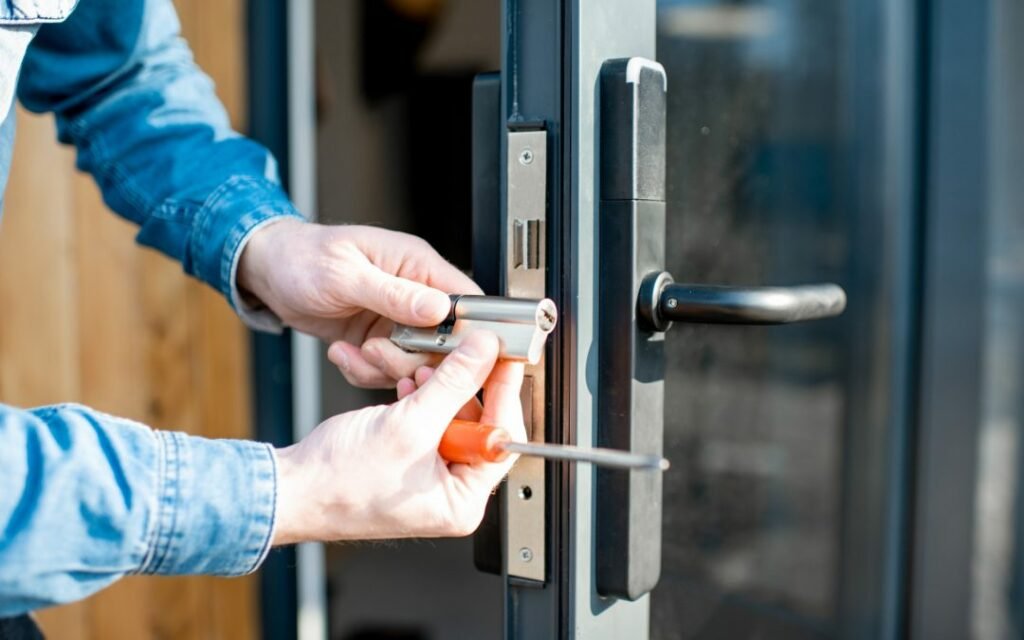
- Preparation: Old locks are removed, and the area is prepared for the new device, ensuring a secure and flush fit.
- Installation: The biometric lock is mounted, wired (if required), and integrated with any existing security systems.
- Programming: User data—such as fingerprints or facial profiles—are enrolled, and access permissions are configured.
- Testing: The system is thoroughly tested for reliability, and the locksmith provides guidance on operation and maintenance.
Benefits of Hiring a Licensed Locksmith for Biometric Security
There are several advantages to choosing a certified professional for your biometric security needs:
- Expertise in Advanced Technology: Licensed locksmiths stay updated on the latest biometric systems, ensuring proper installation and integration.
- Compliance with Local Regulations: Many regions require locksmiths to be licensed, especially when installing high-security devices. For more details, see this comprehensive guide to locksmith licensing requirements by state.
- Warranty and Support: Certified professionals typically offer warranties on both labor and hardware, providing peace of mind.
- Reduced Risk of Malfunction: Proper installation minimizes the chances of system errors, lockouts, or security breaches.
- Insurance Coverage: Many insurance policies require security work to be performed by licensed experts to maintain coverage.
Key Considerations Before Installing Biometric Locks
Before proceeding with a biometric lock installation, it’s important to consider several factors:
- Compatibility: Not all biometric locks fit every door or frame. A professional assessment ensures the chosen system is suitable for your property.
- Power Source: Some biometric locks require batteries or a wired connection. Discuss options with your locksmith to avoid unexpected outages.
- Data Management: Determine how user data will be stored and managed, especially if you need to add or remove users frequently.
- Integration: If you have an existing alarm or access control system, ask about compatibility and integration options.
- Maintenance: Regular upkeep is essential for optimal performance. Your locksmith can provide a maintenance schedule and troubleshooting tips.

How to Find a Qualified Locksmith for Biometric Lock Installation
Selecting the right professional is crucial for a successful installation. Here are some tips to help you choose:
- Verify Credentials: Always ask for proof of licensing and certifications. For more on this, see how to verify a licensed locksmith.
- Check Experience: Look for locksmiths with a proven track record in biometric lock installations.
- Read Reviews: Customer feedback can provide insights into reliability, professionalism, and service quality.
- Request a Quote: Obtain detailed estimates that include labor, hardware, and any additional fees.
- Ask About Support: Inquire about after-installation support, warranty terms, and emergency assistance.
Frequently Asked Questions
Are biometric locks more secure than traditional locks?
Biometric locks offer a higher level of security by using unique physical traits for access, making them difficult to bypass. However, their effectiveness depends on the quality of the device and the expertise of the installer. When set up by a licensed locksmith, these systems provide robust protection against unauthorized entry.
How long does it take to install a biometric lock?
The installation process typically takes between one to two hours, depending on the complexity of the lock and the condition of the door. A certified professional will ensure the system is properly fitted, programmed, and tested before completion.
Can biometric locks be integrated with existing security systems?
Many modern biometric locks are designed to work with alarm systems, smart home platforms, and access control solutions. A knowledgeable locksmith can advise on compatibility and handle the integration process for seamless operation.
What should I do if my biometric lock malfunctions?
If you experience issues, contact the locksmith who performed the installation. Many offer maintenance and repair services, as well as emergency support. Regular servicing can help prevent malfunctions and extend the lifespan of your security system.
Conclusion
Investing in biometric security is a smart move for those seeking advanced protection and convenience. By choosing a licensed locksmith for installation, you ensure the job is done right, your property remains secure, and you benefit from ongoing support. Take the time to research, verify credentials, and discuss your needs with a trusted professional for the best results.