You press your car’s remote, the doors unlock, lights flash, and everything seems normal—until you try to start the engine and nothing happens. This situation can be frustrating and confusing, especially when your key fob works but engine won’t start. Understanding why this occurs can help you troubleshoot the issue quickly and decide on the next steps.
Modern vehicles rely on complex electronic systems, and a functioning keyless entry doesn’t always guarantee the ignition will respond. There are several reasons why your car might recognize the remote but refuse to start, ranging from battery issues to security system malfunctions. In this guide, we’ll break down the most common causes, how to diagnose them, and what you can do to resolve the problem.

If you’re interested in the technology behind your remote, you might want to learn what frequency do key fobs use and how it affects your vehicle’s security and convenience. Understanding these details can provide valuable context as you troubleshoot ignition issues.
Common Reasons the Remote Unlocks but the Car Won’t Start
When your car responds to the remote but won’t turn over, it’s often a sign that the problem lies beyond the key fob itself. Here are some of the most frequent causes:
- Dead or Weak Car Battery: The most common culprit is a drained vehicle battery. While the remote may still unlock the doors, there might not be enough power to start the engine.
- Faulty Starter or Ignition Switch: Mechanical or electrical failure in the starter motor or ignition switch can prevent the engine from cranking, even if the rest of the electronics work.
- Immobilizer or Security System Issues: Many cars have anti-theft systems that can malfunction or fail to recognize the key, blocking the ignition process.
- Key Fob Battery Is Low: Sometimes, the fob’s battery is strong enough to unlock the doors but too weak to transmit the signal needed for ignition, especially in push-to-start vehicles.
- Transmission Not in Park or Neutral: Automatic transmissions require the gear selector to be in Park or Neutral before the engine will start.
- Brake Pedal Not Pressed: For push-button start systems, the brake pedal must be fully depressed before the engine will engage.
Troubleshooting When the Remote Works but Car Won’t Start
To pinpoint the reason your keyless entry works but engine won’t start, follow these step-by-step checks:
- Check the Car Battery: Turn on the headlights or interior lights. If they’re dim or don’t turn on, the battery is likely dead. Try jump-starting the vehicle.
- Listen for Clicking or Silence: If you hear a rapid clicking sound when turning the key or pressing the start button, it usually indicates a weak battery or starter issue.
- Inspect the Key Fob: Replace the battery in your remote, especially if it’s been a while since the last change. For more on this, see do key fobs use batteries.
- Check the Gear Selector: Make sure the vehicle is in Park (P) or Neutral (N). Try moving the shifter and attempt to start again.
- Press the Brake Pedal Firmly: For push-to-start cars, ensure you’re pressing the brake pedal all the way down.
- Look for Security Warnings: If you see a key or lock symbol on the dashboard, the immobilizer may not be recognizing your remote. Try holding the fob closer to the start button or use the physical key if available.
- Try a Spare Key: If you have a backup remote, use it to rule out a problem with your primary fob.
Push-to-Start Systems and Keyless Ignition Problems
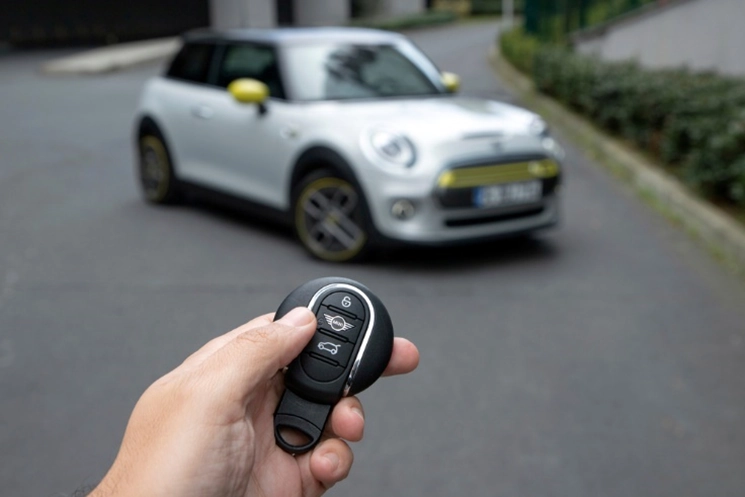
Vehicles with push-button start systems add another layer of complexity. Even if your remote unlocks the doors, the car may not detect the fob inside the cabin, or the start system may malfunction. For a deeper look at these systems, read what is a push to start system.
Common push-to-start issues include:
- Fob Not Detected: The vehicle may not sense the remote due to interference or a weak fob battery.
- Start Button Failure: The button itself or its wiring may be faulty.
- Software Glitches: Sometimes, the car’s computer needs to be reset. Try locking and unlocking the doors, or disconnecting the car battery for a few minutes (if you’re comfortable doing so).
When to Call a Locksmith or Mechanic
If you’ve tried the above steps and your key fob unlocks but car won’t start, it may be time to seek professional help. Here’s when to call a locksmith or mechanic:
- Immobilizer or Security System Malfunction: If dashboard warning lights persist or the car won’t recognize any remote, a locksmith with diagnostic tools can help reset or reprogram your system.
- Lost or Damaged Key Fob: If your fob is broken or lost, a locksmith can cut and program a replacement. For a comparison of different remote types, see key fob vs smart key.
- Starter or Ignition Issues: If the starter motor or ignition switch is faulty, a mechanic will need to diagnose and repair the problem.
- Persistent Electrical Problems: Ongoing battery or wiring issues should be addressed by an automotive technician.

Preventing Future Remote and Ignition Issues
While some causes of ignition failure are unpredictable, you can reduce your risk with a few simple habits:
- Replace your remote’s battery every 1–2 years, or as soon as you notice reduced range.
- Keep your car’s battery in good health by driving regularly and checking for corrosion on the terminals.
- Store spare keys in a safe, accessible place.
- Have your vehicle’s electrical system inspected during routine maintenance.
- Familiarize yourself with your car’s security features and warning lights.
For more details on how different types of remotes work, see this comprehensive guide to car key types and their functions.
FAQ
Why does my remote unlock the doors but the engine won’t start?
This usually means the vehicle’s electrical system can communicate with the remote, but there’s a separate issue preventing ignition. Common causes include a dead car battery, starter failure, or a problem with the security system not recognizing the remote.
Can a weak key fob battery cause the car not to start?
Yes, especially in vehicles with push-to-start systems. The remote may have just enough power to unlock the doors but not enough to send the signal required for ignition. Replacing the fob battery is a quick and inexpensive first step.
What should I do if my push-button start isn’t working but the remote is?
Make sure the remote is inside the car, the brake pedal is pressed, and the transmission is in Park or Neutral. If the car still won’t start, try using a spare remote or replacing the fob battery. Persistent problems may require professional diagnostics.
Is it safe to try jump-starting my car if the engine won’t turn over?
If you suspect a dead car battery and are familiar with jump-starting procedures, it’s generally safe to try. However, always follow your vehicle’s manual and take precautions to avoid electrical damage or injury.
How do I know if the problem is with the remote or the car itself?
If a spare remote works, the issue is likely with your original fob. If neither remote starts the car, the problem is probably with the vehicle’s battery, starter, ignition system, or security module.