As automotive technology advances, the way drivers access and secure their vehicles has changed dramatically. Two of the most common options today are the traditional key fob and the more advanced smart key system. Understanding the distinctions between these two devices is essential for anyone considering a new vehicle or looking to upgrade their car’s security and convenience features.
In this guide, we’ll explore how these access methods work, compare their advantages, and discuss which might be best for your needs. We’ll also touch on their impact on security, daily usability, and what you should know about maintenance and replacement costs. For a deeper dive into the history of key fobs and how they evolved, you can explore our dedicated article.
Understanding Key Fobs: Features and Functionality
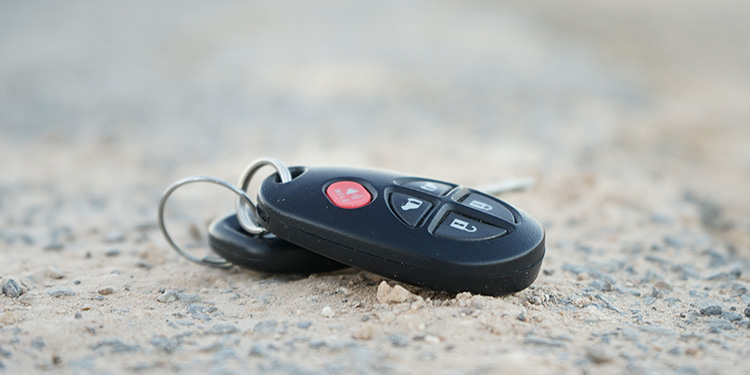
A key fob is a compact remote device that communicates with your car via radio frequency. Most vehicles manufactured since the late 1990s use these remotes to lock and unlock doors, open trunks, and sometimes even start the engine remotely. The fob typically contains a physical key blade or a hidden emergency key for manual entry.
The basic operation involves pressing buttons to send a coded signal to the car’s receiver. This system has become standard due to its blend of convenience and security. If you’re curious about how far these signals can reach and what factors might affect their range, our article on how far does a key fob signal reach provides detailed insights.
Smart Keys: The Next Step in Vehicle Access
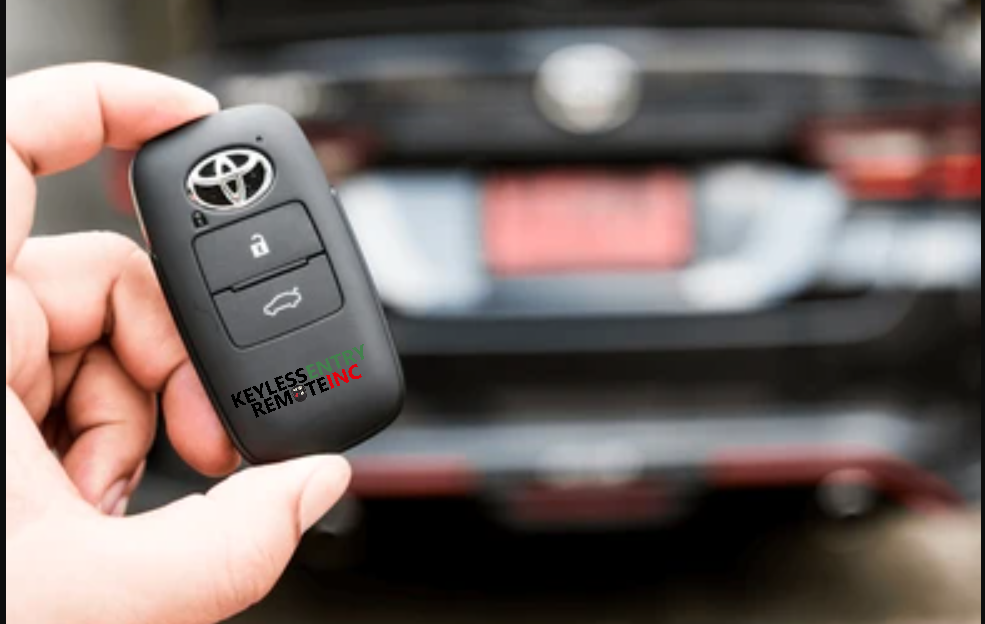
Smart keys represent a significant evolution in automotive access. Unlike traditional remotes, these devices use proximity sensors and encrypted communication to allow for keyless entry and push-button start. When you approach your vehicle with a smart key in your pocket or bag, the car detects its presence and unlocks automatically. Starting the engine is as simple as pressing a button inside the car.
This hands-free approach not only enhances convenience but also introduces new layers of security. Smart keys use rolling codes and advanced encryption, making it much harder for thieves to intercept or duplicate the signal.
Comparing Convenience: Key Fob and Smart Key Systems
When weighing the key fob vs smart key debate, convenience is often a top consideration. Key fobs offer straightforward remote access, but still require you to press buttons or insert a physical key in some cases. Smart keys, on the other hand, allow for seamless entry and ignition without ever having to touch the device.
- Key Fob: Requires button presses for each function. Some models include remote start, but you must be within range.
- Smart Key: Unlocks doors and starts the engine automatically when the device is nearby, making it ideal for busy lifestyles or when your hands are full.
Both systems can be affected by battery life, but smart keys typically require more frequent battery changes due to continuous communication with the vehicle.
Security Considerations: Which Is Safer?
Security is a major factor in choosing between these two options. Traditional remotes use fixed or rolling codes, which can be vulnerable to signal interception or relay attacks. However, modern key fobs have improved security features, as described in our article on how secure are key fobs.
Smart keys provide enhanced protection by using encrypted signals and proximity authentication. However, they are not immune to sophisticated relay attacks, where thieves use electronic devices to amplify the signal and unlock the car even if the key is far away.
To minimize risks, always store your smart key in a signal-blocking pouch at home and avoid leaving it near doors or windows.
Cost and Maintenance: What to Expect
The price of replacing or repairing these devices can vary significantly. Key fobs are generally less expensive to replace, but costs can still be high due to programming and security features. For more information on what drives these expenses, see our guide on why key fobs are expensive.
Smart keys, with their advanced technology and programming requirements, tend to be more costly. Replacement often involves dealership visits or specialized locksmiths, and the process can take longer.

Additional Features and Technology
Both types of access devices may offer extra features, such as remote start, trunk release, and panic alarms. Some smart keys also integrate with mobile apps, allowing you to monitor or control your vehicle remotely. If you want to learn more about remote start capabilities, our article on what is a remote start key fob covers the topic in detail.
As technology evolves, manufacturers continue to add new features to both systems, blurring the lines between them. However, the key distinction remains: smart keys prioritize hands-free operation and advanced security, while traditional fobs focus on reliable, straightforward access.
Choosing the Right Option for Your Needs
The decision between a standard remote and a proximity-based system depends on your priorities. If you value maximum convenience and cutting-edge security, a smart key may be the better fit. For those who prefer simplicity and lower replacement costs, a traditional fob is still a solid choice.
It’s also important to consider your vehicle’s compatibility and your local locksmith’s ability to service or replace these devices. For more background on how these technologies have developed, you can read about the origins and uses of key fobs in modern vehicles.
FAQ
Can I upgrade my car from a key fob to a smart key system?
Upgrading from a standard remote to a proximity-based system is possible for some vehicles, but it often requires significant modifications to the car’s electronics and ignition system. Consult with your dealership or a qualified locksmith to determine feasibility and cost.
What should I do if I lose my smart key or key fob?
If you lose your access device, contact your dealership or a trusted locksmith as soon as possible. For security, it’s recommended to have the lost device deactivated and replaced. Many locksmiths offer 24/7 emergency services for these situations.
Are smart keys more prone to hacking than traditional key fobs?
While smart keys use advanced encryption, they can be targeted by relay attacks if not properly protected. Both systems have vulnerabilities, but using signal-blocking pouches and keeping software updated can help reduce risks.
How often should I replace the battery in my key fob or smart key?
Battery life varies, but most devices require a new battery every 1–2 years. If you notice reduced range or inconsistent operation, replace the battery promptly to avoid being locked out.