As more drivers upgrade to cars with keyless ignition, concerns about vehicle security have grown. Push start systems offer convenience, but they also introduce new vulnerabilities that thieves can exploit. Understanding the risks and learning effective strategies to safeguard your car is essential for anyone with a keyless entry system. This article provides practical steps and expert tips to help you keep your push button start vehicle safe from theft.
The rise in relay attacks and other sophisticated methods means that traditional anti-theft habits may not be enough. By staying informed and taking proactive measures, you can significantly reduce the risk of losing your vehicle to modern thieves. For those interested in the technical aspects of car keys and their evolution, you can find a detailed overview in this comprehensive guide to car key types.
If you want to understand the importance of working with trustworthy professionals, our licensed locksmith service transparency rules article explains what to look for in a reputable locksmith.
Understanding Keyless Entry Vulnerabilities
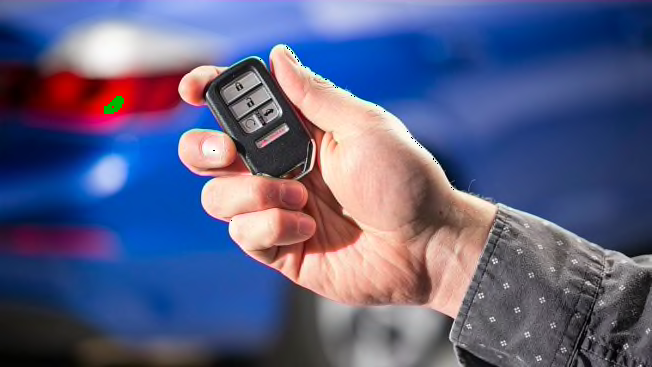
Keyless ignition systems use a wireless signal between your car and its fob. While this technology is convenient, it also opens the door to specific types of theft. The most common threat is the relay attack, where thieves use electronic devices to amplify the signal from your fob—even if it’s inside your home—allowing them to unlock and start your car.
Other risks include signal jamming, where criminals block the locking signal so your vehicle remains unlocked, and key cloning, where advanced tools are used to duplicate your fob’s signal. Understanding these methods is the first step in developing a strong defense for your push button start vehicle.
Best Practices for Securing Push Button Start Cars
Protecting your keyless vehicle requires a combination of technology, awareness, and simple habits. Here are some of the most effective strategies:
- Store your key fob in a signal-blocking pouch (also known as a Faraday pouch) when not in use. This prevents thieves from amplifying or intercepting its signal.
- Keep your fob away from doors and windows at home. The closer it is to the exterior, the easier it is for criminals to access the signal.
- Manually check your car doors after locking. Don’t rely solely on the remote; physically ensure the doors are secure.
- Disable keyless entry when possible. Some vehicles allow you to turn off the wireless signal through the settings menu or by holding specific buttons on the fob.
- Install a steering wheel lock or other visible deterrents. These make your car a less attractive target.
- Consider aftermarket immobilizers or tracking systems for an extra layer of security.
Advanced Anti-Theft Devices and Technology
For those seeking extra protection, several aftermarket solutions are available. These devices can help prevent unauthorized access and alert you to suspicious activity:
- Electronic immobilizers: These systems require a secondary code or device to start the car, making it much harder for thieves to drive away even if they access the fob signal.
- GPS tracking units: If your car is stolen, a tracking device can help law enforcement recover it quickly.
- Alarm systems with motion sensors: Modern alarms can detect movement inside or around your vehicle, providing an additional deterrent.
- OBD port locks: The On-Board Diagnostics port is sometimes used by thieves to program new keys. Locking this port can prevent unauthorized access.
When choosing a security upgrade, consult with a professional to ensure compatibility with your vehicle’s electronics. For guidance on working with insurance claims after a theft, our licensed locksmith insurance claim assistance guide can help you navigate the process.
Everyday Habits That Deter Thieves
In addition to using technology, simple daily routines can make a significant difference in keeping your car safe:
- Park in well-lit, secure areas. Thieves prefer to operate in darkness and isolation.
- Never leave valuables visible inside your car. Even small items can attract unwanted attention.
- Be cautious with valet services. Only use reputable providers and avoid leaving your fob unattended.
- Update your vehicle’s software regularly. Manufacturers sometimes release patches to address security vulnerabilities.
Working With Professionals for Enhanced Security
Consulting a licensed locksmith or security specialist can help you identify the best solutions for your specific make and model. Professionals can recommend and install advanced anti-theft devices, reprogram your fob, and provide advice tailored to your needs.
If you’re interested in learning more about emergency preparedness for vehicle owners, our licensed locksmith emergency preparedness guide offers valuable insights on staying ready for unexpected situations.
Frequently Asked Questions
What is a relay attack and how can I prevent it?
A relay attack involves thieves using electronic devices to capture and extend the signal from your key fob, allowing them to unlock and start your car even if the fob is inside your home. To prevent this, store your fob in a Faraday pouch or metal container, and keep it away from entry points in your house.
Can I disable the keyless entry feature on my vehicle?
Many modern vehicles allow you to turn off the keyless entry system through the settings menu or by following instructions in your owner’s manual. Disabling this feature can reduce the risk of signal-based theft, especially if you don’t need the convenience of remote unlocking.
Are aftermarket security devices worth the investment?
Yes, adding devices like steering wheel locks, immobilizers, or GPS trackers can provide an extra layer of protection. These tools not only make theft more difficult but can also help recover your vehicle if it’s stolen. Consult a professional to ensure compatibility and proper installation.
What should I do if my push start vehicle is stolen?
Contact law enforcement immediately and provide them with all relevant information, including your vehicle identification number (VIN) and any tracking data. Notify your insurance provider right away. For help with the claims process, our licensed locksmith documentation for insurance resource explains what documentation you may need.
Conclusion
As push button start systems become more common, so do the methods thieves use to exploit them. By combining smart habits with the right technology and professional advice, you can greatly reduce your risk. Stay informed, invest in proven security measures, and always be proactive about your vehicle’s safety.