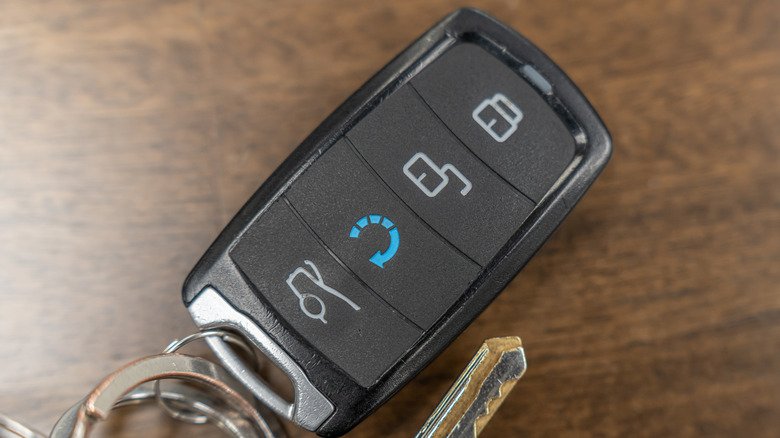
As vehicles have become more technologically advanced, so have the methods used by thieves. One of the most concerning threats today is relay theft, where criminals use electronic devices to intercept and amplify the signal from your car’s key fob, allowing them to unlock and even start your car without ever touching the actual key. Understanding how to prevent key fob relay theft is essential for any car owner who wants to protect their investment and maintain peace of mind.
This guide will break down what relay attacks are, why they’re on the rise, and the most effective steps you can take to secure your vehicle. We’ll also cover practical tips, the latest anti-theft tools, and answer common questions about this growing security concern. If you’re interested in learning more about how different types of car keys work, you can check out this comprehensive overview of car key types and their functions.
If you’re experiencing issues with your remote, such as a key fob not working after battery change, it’s important to address those problems promptly, as a malfunctioning device can make your vehicle more vulnerable.
Understanding Relay Attacks and Why They Matter
Relay theft, sometimes called relay attacks, involves two criminals working together. One stands near your home or wherever your key fob is located, using a device to pick up its signal. The other stands near your car with a second device that relays the signal from the first. This tricks your car into thinking the key is nearby, allowing the thief to unlock and start the vehicle.
The main reason this method is so effective is that most modern cars with keyless entry systems are designed for convenience, not necessarily for maximum security. As a result, preventing relay theft requires a combination of awareness and proactive measures.
Best Practices to Stop Key Fob Signal Theft
There are several practical steps you can take to reduce the risk of your car being targeted by relay thieves. Here are the most effective strategies:
- Store your key fob in a signal-blocking pouch or box. These products, often called Faraday pouches or boxes, are lined with materials that block radio signals, preventing thieves from picking up your fob’s transmission.
- Keep your key fob away from entry points. Don’t leave your keys near doors or windows, as this makes it easier for criminals to pick up the signal from outside your home.
- Turn off your key fob’s wireless signal (if possible). Some manufacturers allow you to disable the wireless function of your key when it’s not in use. Check your vehicle’s manual or contact your dealer to see if this is an option.
- Use a steering wheel lock or other physical deterrents. Even if thieves manage to unlock your car, visible security devices can make them think twice about proceeding.
- Update your car’s software. Some automakers release security updates that can help protect against new types of attacks. Make sure your vehicle’s system is up to date.
Advanced Tools and Technology for Enhanced Security
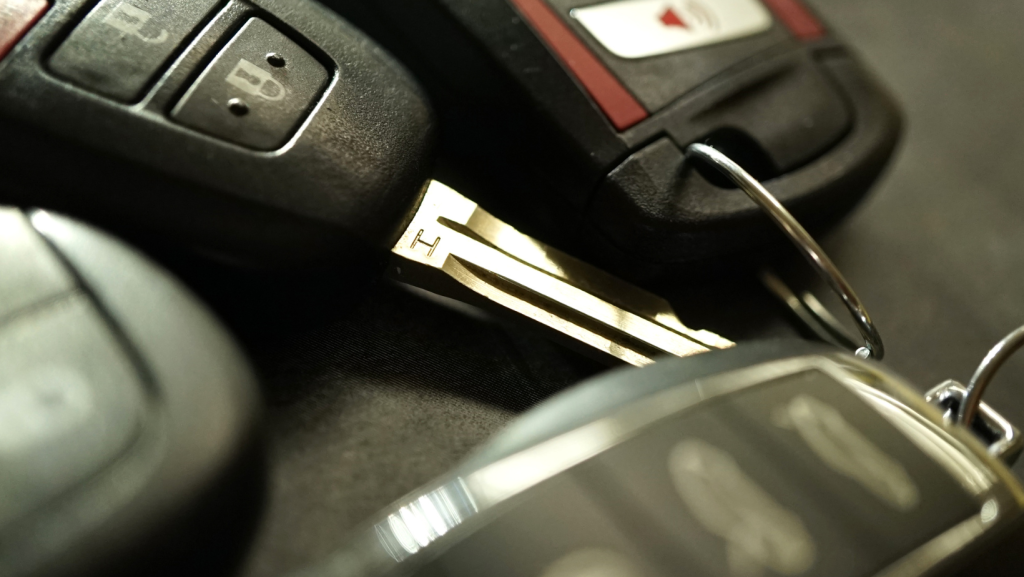
Beyond the basics, there are advanced tools and aftermarket products designed to help car owners guard against relay theft. Some of the most popular include:
- Aftermarket immobilizers: These devices require a separate code or action to start the vehicle, even if the key fob signal is intercepted.
- Car alarms with motion sensors: Modern alarm systems can detect unusual movement or attempts to open the doors without authorization.
- Signal jammers: Some security systems can detect and block unauthorized attempts to relay your key’s signal.
It’s also wise to periodically check your car’s locks and fob for signs of tampering. If you notice anything unusual, consult a professional locksmith or your dealership for advice.
Everyday Habits to Reduce Your Risk
Consistency is key when it comes to protecting your vehicle. Here are some daily habits that can make a big difference:
- Always double-check that your car is locked, even if you’re just stepping away for a moment.
- Avoid leaving valuables in plain sight, as this can attract thieves.
- Park in well-lit, secure areas whenever possible.
- Consider using a garage or secured parking facility if available.

What to Do If You Suspect a Relay Attack
If you notice your car has been tampered with or you suspect a relay attack, act quickly:
- Contact local law enforcement to report the incident.
- Inform your insurance provider as soon as possible.
- Have your vehicle inspected by a professional to check for hidden tracking devices or other signs of compromise.
- Consider changing your car’s locks or reprogramming your key fob. For step-by-step instructions, see this guide on how to reprogram a key fob.
Additional Resources for Key Fob Security
Staying informed is one of the best ways to stay ahead of thieves. Explore resources on how to pair a key fob to a car or learn about how to open a key fob safely for maintenance. If your remote isn’t locking your doors, check out these causes and easy fixes to ensure your security system is always working as intended.
FAQ: Key Fob Relay Theft and Car Security
How can I tell if my car is vulnerable to relay theft?
Most vehicles with keyless entry and push-button start are potentially at risk. If your car unlocks when the fob is nearby, it’s important to take precautions such as using a Faraday pouch or box.
Do all key fobs have the same level of security?
No, security features vary by manufacturer and model. Some newer vehicles use rolling codes or additional authentication steps, making them harder to hack. Always check your owner’s manual or consult your dealer for specifics.
Is it possible to disable my key fob’s signal?
Some key fobs allow you to turn off the wireless signal when not in use, but this isn’t universal. Refer to your car’s documentation or ask your dealership if this feature is available for your model.
What should I do if my key fob stops working?
If your remote isn’t functioning, it could be a battery issue or a sign of tampering. For troubleshooting, see these common fixes for key fob issues after a battery change.
Are physical security devices still effective?
Yes, visible deterrents like steering wheel locks can discourage thieves, even if they manage to unlock your car electronically. Combining physical and electronic security measures is the best approach.