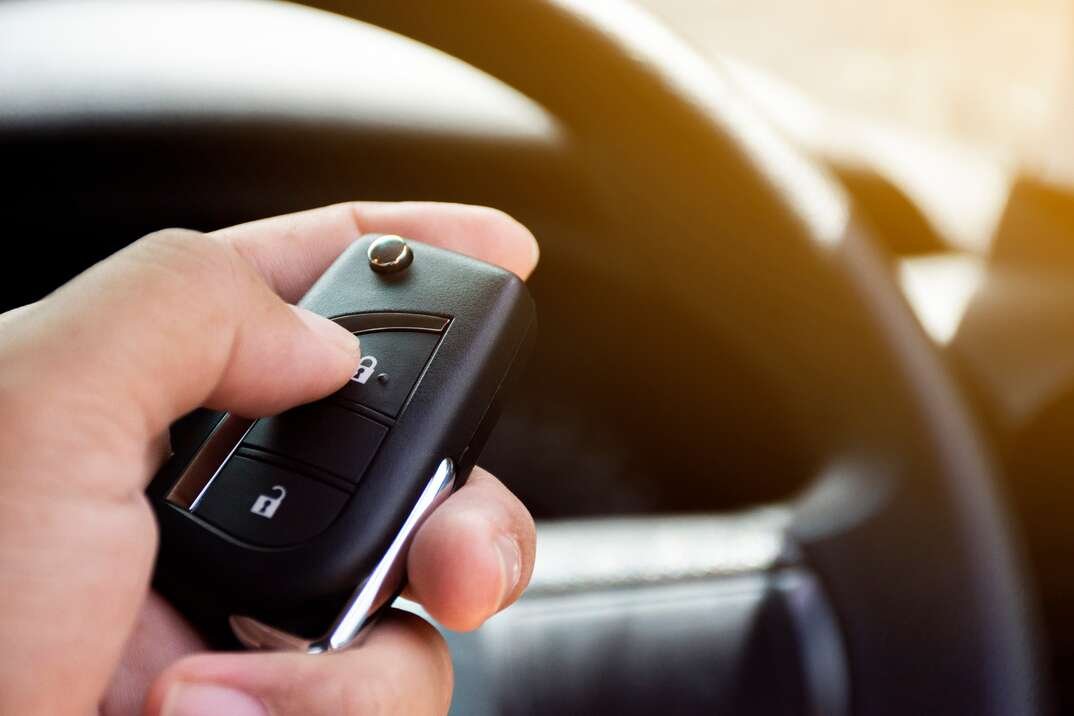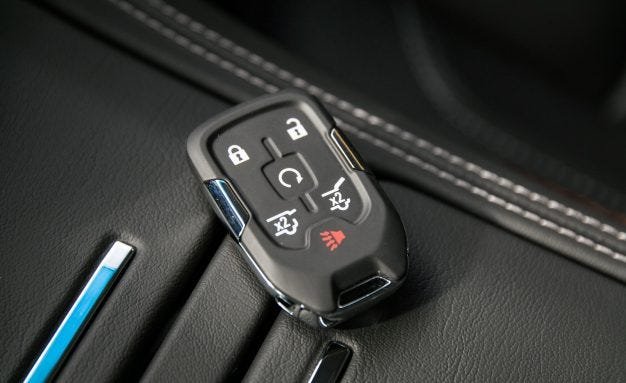
Keyless entry systems have become a standard feature in modern vehicles, offering convenience and enhanced security. However, as technology advances, so do the tactics of criminals. Understanding how thieves clone key fobs is crucial for car owners who want to protect their vehicles from sophisticated theft methods. This article breaks down the techniques used by criminals, the vulnerabilities in keyless systems, and, most importantly, the practical steps you can take to safeguard your car.
If you’re interested in learning more about the technology behind your car’s remote, you might also want to read about how to pair a key fob to a car for a deeper understanding of how these devices communicate with your vehicle.
Understanding Key Fob Cloning and Its Risks
Keyless entry systems use radio frequency identification (RFID) or other wireless communication protocols to unlock and start vehicles. While these systems are designed for convenience, they can be vulnerable to various forms of attack. Key fob cloning refers to the process by which a criminal duplicates the signal from your key fob, enabling unauthorized access to your car.
The most common targets are vehicles with passive entry and push-button start features. Once a thief has cloned your key fob, they can unlock, start, and even drive away with your vehicle—often without leaving a trace of forced entry.
Common Techniques Used by Criminals
To fully grasp how thieves clone key fobs, it’s helpful to understand the specific methods they employ. Here are the most prevalent tactics:
- Relay Attacks: This method involves two criminals working together. One stands near the car, while the other approaches the location of the key fob (often inside the owner’s home). Using relay devices, they extend the signal from the key fob to the car, tricking it into unlocking and starting.
- Signal Amplification: Thieves use electronic amplifiers to boost the key fob’s signal, making it possible to unlock the car from a greater distance than intended by the manufacturer.
- Code Grabbing: Some older keyless systems transmit the same code every time. Criminals can intercept and record this code, then replay it to gain access.
- Key Fob Programming Tools: In some cases, criminals use specialized devices to program a blank key fob to work with your vehicle’s system, especially if they have temporary access to your car.
How to Recognize Signs of Key Fob Cloning
Detecting whether your key fob has been cloned can be difficult, as the process leaves little physical evidence. However, there are some warning signs to watch for:
- Your vehicle is unlocked or missing, but there are no signs of forced entry.
- The car alarm goes off unexpectedly, or you notice unusual activity around your vehicle.
- You experience issues with your key fob, such as reduced range or intermittent functionality.
- Unfamiliar devices or people loitering near your home or car, especially at night.
If you suspect your key fob has been compromised, it’s important to act quickly. Consider reprogramming your key fob or contacting a professional locksmith for assistance. For more troubleshooting tips, see our guide on key fob not working after battery change.
Effective Strategies to Prevent Key Fob Cloning
While criminals continue to develop new methods, there are several practical steps you can take to reduce your risk:
- Store Your Key Fob in a Faraday Pouch: These pouches block radio signals, preventing thieves from amplifying or relaying your key fob’s signal.
- Keep Your Key Fob Away from Entry Points: Don’t leave your keys near doors or windows, where the signal can be easily intercepted.
- Disable Passive Entry Features: Some vehicles allow you to turn off passive entry, requiring you to press a button to unlock the doors.
- Update Your Vehicle’s Software: Manufacturers often release updates to address security vulnerabilities. Check with your dealer or service center regularly.
- Use Additional Physical Security: Steering wheel locks, wheel clamps, and other visible deterrents can discourage thieves.
- Be Cautious with Aftermarket Devices: Not all third-party keyless entry systems offer the same level of security as OEM parts.
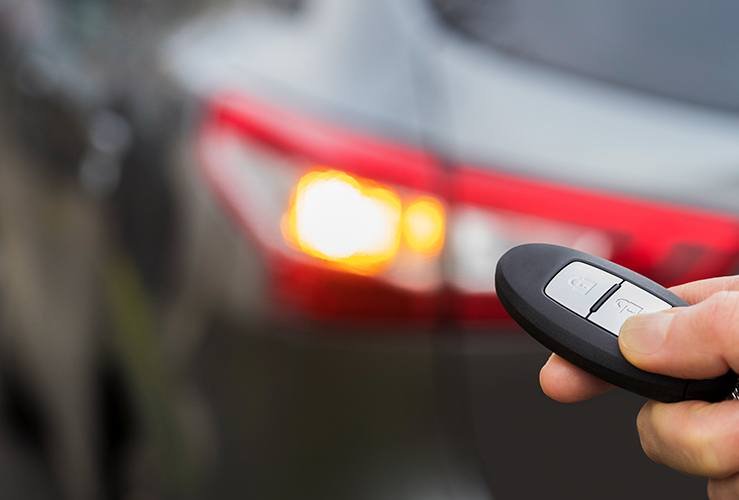
Additional Tips for Keyless Entry Security
Beyond the basics, consider these extra precautions to further secure your vehicle:
- Regularly Reprogram Your Key Fob: If you lose a key or suspect unauthorized access, have your fobs reprogrammed. Learn more about how to reprogram a key fob for detailed instructions.
- Monitor for Recalls and Security Updates: Stay informed about recalls or software patches that address vulnerabilities in your vehicle’s keyless system.
- Understand Your Key Type: Not all car keys are created equal. For a breakdown of different types and their functions, see this guide to car key types and their functions.
- Check for Unusual Behavior: If your car’s locks or ignition behave unpredictably, have the system inspected by a professional.
Frequently Asked Questions
Can All Keyless Entry Cars Be Cloned?
Most modern keyless entry vehicles are potentially vulnerable to some form of signal interception or relay attack. However, newer models often include advanced encryption and rolling codes, making cloning more difficult. It’s important to stay updated on your vehicle’s security features and take additional precautions where possible.
What Should I Do If I Suspect My Key Fob Has Been Cloned?
If you notice signs of unauthorized access or your car behaves unusually, contact your vehicle manufacturer or a trusted locksmith immediately. Reprogramming your key fob and updating your vehicle’s software can help restore security. Physical deterrents, such as steering wheel locks, can also provide immediate protection.
Are Faraday Pouches Effective Against All Types of Key Fob Attacks?
Faraday pouches are highly effective at blocking radio signals, including those used in relay and amplification attacks. However, they must be properly sealed and in good condition to work. For maximum protection, combine their use with other security measures, such as disabling passive entry and keeping your keys away from entry points.
Conclusion
As keyless entry systems become more prevalent, so do the risks associated with wireless theft. By understanding how thieves clone key fobs and implementing the strategies outlined above, you can significantly reduce your chances of falling victim to this type of crime. Stay informed, use layered security, and don’t hesitate to seek professional help if you suspect your vehicle’s security has been compromised.