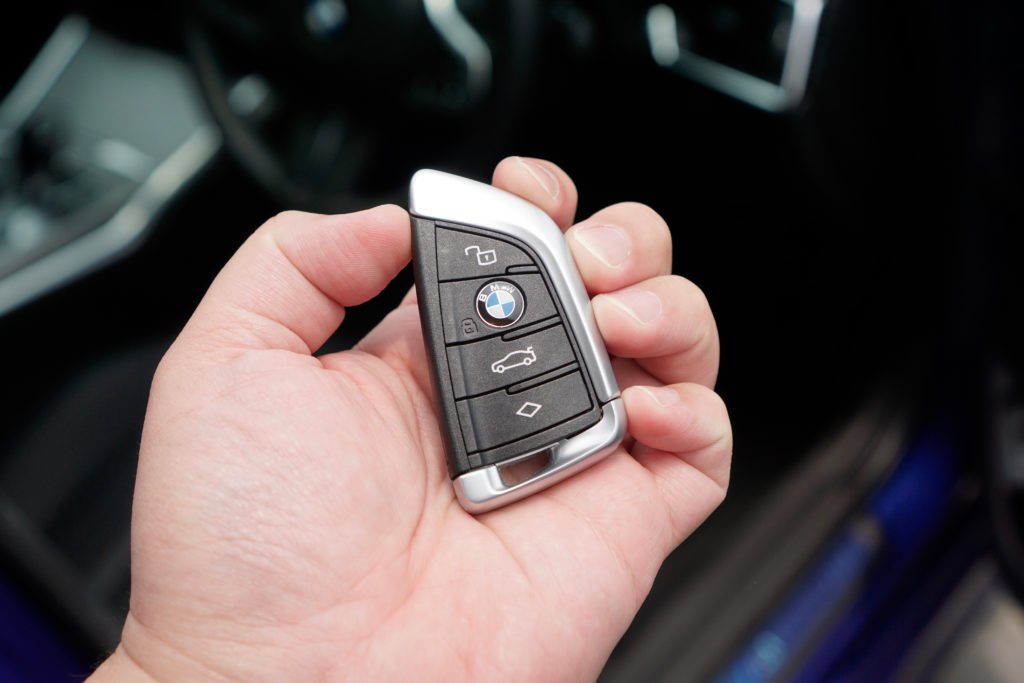
Keyless entry systems have become a standard feature in most modern vehicles, offering convenience and improved user experience. As these systems have evolved, so have the questions about their safety. Many drivers wonder: how secure are key fobs against theft, hacking, and other vulnerabilities? Understanding the technology behind these devices and the security measures manufacturers use can help you make informed decisions about your vehicle’s protection.
In this article, we’ll break down the latest advancements in keyless entry security, common threats, and practical steps you can take to keep your car safe. For a deeper dive into the basics, you might find it helpful to read our what is a key fob guide, which covers the fundamentals of these devices.
Understanding Key Fob Security: How the Technology Works
To evaluate the safety of modern car entry devices, it’s important to understand how they function. Most keyless entry systems use radio frequency identification (RFID) or similar wireless technologies to communicate with your vehicle. When you press a button or approach your car, the fob sends a coded signal to the vehicle’s receiver, which then unlocks the doors or starts the engine.
The sophistication of these systems has increased over the years. Early key fobs relied on simple fixed codes, which were relatively easy for thieves to intercept and replicate. Today, most vehicles use rolling code encryption, which generates a new code each time the fob is used. This makes it significantly harder for unauthorized parties to duplicate the signal.
For a more technical explanation of the communication process, see our article on how does a key fob work.
Modern Safety Features That Protect Your Vehicle
Car manufacturers have introduced several advanced features to enhance the security of keyless entry systems. Here are some of the most effective measures:
- Rolling Code Technology: As mentioned, this system changes the code sent between the fob and vehicle every time, making code-grabbing attacks much more difficult.
- Encryption: Modern fobs use strong encryption algorithms to scramble the communication between the device and your car, reducing the risk of interception.
- Proximity Authentication: Many newer vehicles require the fob to be within a certain distance before the car will unlock or start, adding another layer of protection.
- Sleep Mode: Some key fobs enter a low-power state when not in use, preventing continuous signal transmission and reducing the risk of relay attacks.
- Physical Safeguards: Certain models include motion sensors that deactivate the fob if it hasn’t moved for a set period, making it harder for thieves to exploit signals from unattended keys.
Common Threats and Vulnerabilities Facing Keyless Entry Systems
Despite these advancements, no system is completely immune to attack. Here are some of the most common threats that target keyless entry devices:
- Relay Attacks: Thieves use relay devices to capture the signal from your key fob, even if it’s inside your home, and transmit it to your car. This can trick the vehicle into thinking the fob is nearby, allowing unauthorized access.
- Signal Jamming: Criminals can block the signal from your fob to your car, preventing the doors from locking. This leaves your vehicle vulnerable if you walk away assuming it’s secure.
- Code Grabbing: Although rolling codes have reduced this risk, older vehicles with fixed codes can still be susceptible to attackers who intercept and replay the signal.
- Physical Theft: Stealing the actual fob remains a straightforward method for gaining access to a vehicle, especially if the fob is left in an unsecured location.
Understanding these risks is the first step toward better protection. For a comparison of different entry devices, see our resource on difference between key fob and transponder.
How to Improve the Safety of Your Key Fob
While manufacturers continue to enhance security features, there are practical steps you can take to further reduce the risk of unauthorized access:
- Store Your Fob in a Signal-Blocking Pouch: Faraday pouches or boxes can block wireless signals, preventing relay attacks when your fob is not in use.
- Keep Your Fob Away from Doors and Windows: Don’t leave your keys near entry points where thieves can easily amplify the signal from outside.
- Check for Lock Confirmation: Always listen for the lock sound or look for visual cues (like flashing lights) to ensure your car is actually locked before walking away.
- Update Your Vehicle’s Software: Some manufacturers release security updates that patch vulnerabilities. Check with your dealer or manufacturer for the latest updates.
- Disable Passive Entry: If your vehicle allows, consider turning off passive entry features so the car won’t unlock automatically when you approach with the fob.
Comparing Different Types of Keyless Entry Devices
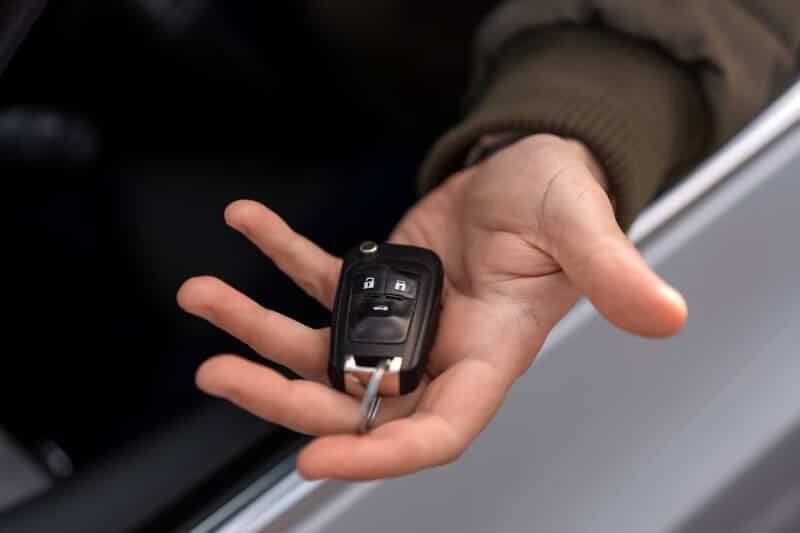
Not all keyless entry systems are created equal. The level of protection can vary depending on the type of fob and the technology used in your vehicle. Some high-end models offer advanced features like biometric authentication or smartphone integration, while others rely on more basic radio signals.
If you’re interested in the variety of options available, our overview of types of car key fobs explains the differences and what they mean for your vehicle’s safety.
What to Do If You Suspect Your Key Fob’s Security Is Compromised
If you notice unusual behavior—such as your car unlocking unexpectedly, or if you lose your fob—it’s important to act quickly. Here’s what you should do:
- Contact Your Dealer or Locksmith: They can help you reprogram your vehicle to forget the lost or stolen fob and issue a new one.
- Update Security Settings: Ask about any available software updates or additional security features for your car model.
- Consider Aftermarket Security Devices: Steering wheel locks, alarms, and GPS trackers add extra layers of protection.
For more information on the different types of keys and their security implications, visit this detailed guide to vehicle key types from Ford.
Additional Considerations: Durability and Environmental Protection
Security isn’t just about digital threats. Physical durability and resistance to water or dust can also affect the reliability of your key fob. Some models are more rugged than others, and exposure to moisture or impact can cause malfunctions that leave your vehicle vulnerable.
For tips on protecting your device from the elements, see our article on are key fobs waterproof.
FAQ
Can Thieves Really Steal My Car Using Only My Key Fob Signal?
Yes, with the right equipment, criminals can perform relay attacks to capture and transmit your fob’s signal, tricking your vehicle into unlocking or starting. Using a signal-blocking pouch and keeping your fob away from entry points can help reduce this risk.
How Can I Tell If My Key Fob Uses Rolling Code Technology?
Most vehicles manufactured in the last decade use rolling codes, but you can check your owner’s manual or contact your dealer for confirmation. Rolling code systems generate a new code each time you use the fob, making them more secure than fixed-code devices.
What Should I Do If My Key Fob Is Lost or Stolen?
Contact your dealership or a professional locksmith immediately. They can reprogram your car to prevent the lost fob from being used and provide a replacement. It’s also wise to update your vehicle’s security settings and consider additional protective measures.