


Modern car entry systems rely on wireless technology, making convenience a top priority for drivers. One common question is how far does a key fob signal reach and what factors can influence its effectiveness. Understanding the operational distance of your remote unlock device is essential for both security and daily use. This guide covers typical signal ranges, what can extend or limit them, and practical tips for maximizing your key fob’s performance.
If you’re new to remote entry systems or want a deeper dive into their technology, you might find our what is a key fob resource helpful for background information on how these devices work and their role in modern vehicles.

Typical Key Fob Signal Distance
The average range for most car key fobs is between 30 and 60 feet (about 10 to 20 meters). This distance allows you to lock, unlock, or even start your vehicle remotely without being right next to it. However, the actual range can vary significantly based on the design of the fob, the vehicle’s receiver, and environmental factors.
Some advanced systems, especially those with “smart key” or proximity features, may offer shorter ranges for security reasons. In contrast, aftermarket remotes or certain brands may provide longer distances, sometimes up to 100 feet or more.
What Determines Remote Entry Range?
Several variables influence how far a key fob signal reaches. Understanding these can help you troubleshoot issues or optimize your remote’s performance.
- Battery Strength: A weak or aging battery is the most common reason for reduced range. Replacing the battery often restores full functionality.
- Obstructions: Physical barriers like walls, parked vehicles, or even your own body can block or weaken the signal.
- Interference: Electronic devices, radio towers, and even nearby key fobs can cause signal disruption.
- Weather Conditions: Heavy rain, snow, or humidity may slightly reduce signal effectiveness, though most systems are designed to compensate for mild weather changes.
- Vehicle Design: The placement of the receiver antenna in your car and the type of system used (standard RF vs. smart key) also play a role.
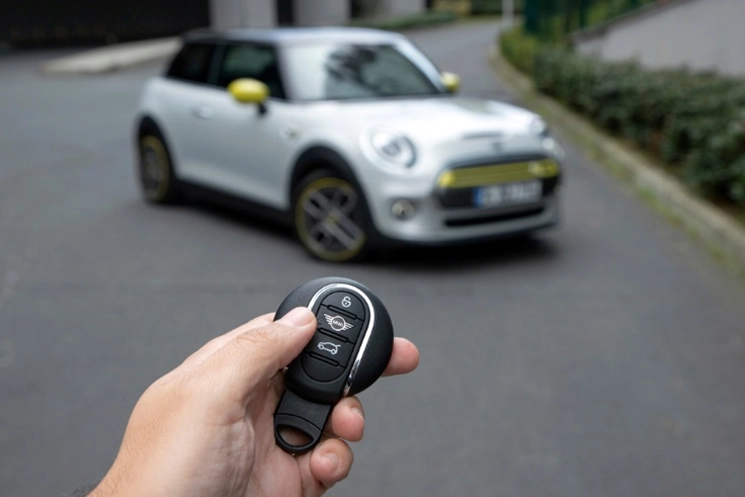
How to Test and Improve Your Key Fob’s Range
If you’re unsure about your remote’s reach, there are simple ways to check and potentially enhance its performance:
- Test in Open Space: Stand at increasing distances from your vehicle in an open area and press the lock or unlock button. Note the maximum range where the car responds.
- Change the Battery: If you notice a sudden drop in range, replace the battery with a fresh one. Most key fobs use standard coin-cell batteries that are easy to swap.
- Avoid Interference: Move away from large metal objects, other vehicles, or sources of radio frequency interference when using your remote.
- Hold the Fob Higher: Raising the fob above waist level or pointing it directly at the car can sometimes increase the effective distance.
- Consult the Manual: Your vehicle’s manual may provide specific tips or troubleshooting steps for your model.
If your remote still doesn’t work as expected, it could be a sign of a more serious issue with the fob or the car’s receiver. In such cases, contacting a professional locksmith or your dealership is recommended.
Key Fob Technology and Security Considerations
The technology behind remote entry devices has evolved, with many modern vehicles using encrypted signals to prevent unauthorized access. Some systems use rolling codes or proximity sensors, which can affect both range and security.
For those interested in learning more about the technology behind these devices, our article on how does a key fob work provides a detailed look at the communication between your remote and vehicle.

Different Types of Car Remotes and Their Ranges
Not all remote entry devices are created equal. The types of car key fobs you use can impact both range and features. Traditional remotes typically offer longer distances, while smart keys and proximity fobs may have more limited ranges to enhance security.
For a comprehensive overview of the various options available and their unique characteristics, you can also refer to this guide to different types of car keys.
Common Issues That Limit Key Fob Effectiveness
Sometimes, your remote may not work as expected even within its typical range. Here are a few common reasons:
- Physical Damage: Dropping or exposing the fob to water can damage internal components. For more on durability, see are key fobs waterproof.
- Programming Errors: If the fob loses synchronization with your vehicle, it may need to be reprogrammed.
- Receiver Malfunction: Issues with the car’s receiver system can prevent it from recognizing the remote’s signal.
- Battery Corrosion: Leaking batteries can corrode contacts inside the fob, reducing performance.
FAQ
Can I Extend My Key Fob’s Range?
While you can sometimes improve range by replacing the battery or avoiding interference, most remotes are designed with a maximum distance for security. Aftermarket signal boosters exist, but they may void warranties or introduce security risks.
Why Does My Remote Work Sometimes but Not Always?
Intermittent performance is often due to weak batteries, signal interference, or obstructions. Try using the remote in different locations and replace the battery if needed.
Is It Safe to Use My Key Fob from Far Away?
Using your remote from a distance is generally safe, but avoid leaving your vehicle unlocked or running unattended. Proximity-based systems are designed to limit range for added security.
How Do I Know If My Key Fob Needs Reprogramming?
If your remote stops working after a battery change or only certain buttons respond, it may need to be reprogrammed. Consult your vehicle’s manual or a locksmith for assistance.
Summary
The distance your remote entry device can reach depends on a variety of factors, including battery life, interference, and the specific technology used. By understanding these influences and following practical tips, you can ensure reliable performance and maintain the convenience and security of your vehicle’s entry system.

