Car key fobs have become an essential part of modern vehicle security and convenience. These compact devices allow drivers to lock, unlock, and even start their vehicles remotely, all with the press of a button. But how does a key fob work behind the scenes? The answer involves a blend of wireless technology, encryption, and precise communication between the fob and the vehicle’s onboard systems.
In this article, we’ll break down the inner workings of key fobs, explore the signals they use, and explain how they interact with your car. Whether you’re curious about the technology or troubleshooting a malfunctioning remote, understanding these basics can help you make the most of your vehicle’s features and security.
For a deeper dive into the different types of automotive keys, you can consult this comprehensive guide to car key varieties.
The Basics of Key Fob Technology
At its core, a key fob is a small electronic device that communicates wirelessly with your car. Most modern fobs use radio frequency identification (RFID) or similar wireless protocols to send signals over short distances. When you press a button on the remote, it transmits a coded signal to a receiver in your vehicle, which then performs the requested action—such as unlocking the doors or sounding the alarm.
The technology inside a key fob includes a microchip, a small battery, and a radio transmitter. The microchip stores unique codes that are recognized by your car’s receiver. The transmitter sends these codes over a specific radio frequency, usually in the 315 MHz or 433 MHz range, depending on regional regulations and manufacturer preferences.
How Does a Key Fob Work with Car Security?
Security is a major concern in automotive design, and key fobs play a crucial role. To prevent unauthorized access, most systems use rolling code encryption. This means that every time you press a button, the fob and the car generate a new, unique code using a synchronized algorithm. The vehicle will only respond to the correct code, making it extremely difficult for thieves to intercept and reuse signals.
Some advanced vehicles also utilize proximity sensors and passive entry systems. In these setups, simply approaching the car with the fob in your pocket can unlock the doors automatically. The car continuously scans for the presence of the authorized fob, allowing for hands-free operation while maintaining robust security.
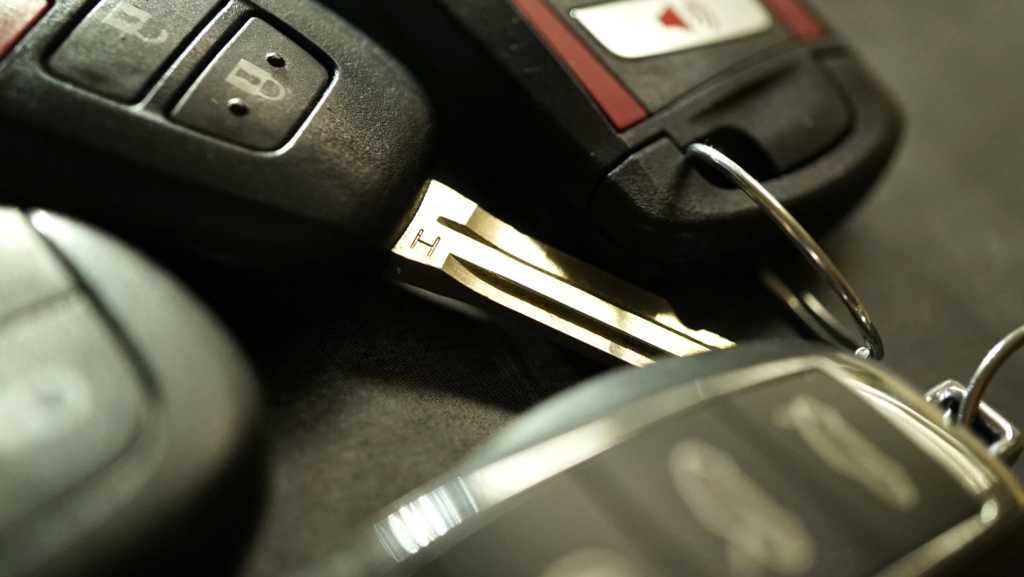
Signals and Communication: What Happens When You Press the Button?
When you activate a function on your key fob, the device sends a specific radio signal encoded with a digital command. The car’s receiver listens for these signals and, upon receiving the correct code, executes the corresponding action. For example:
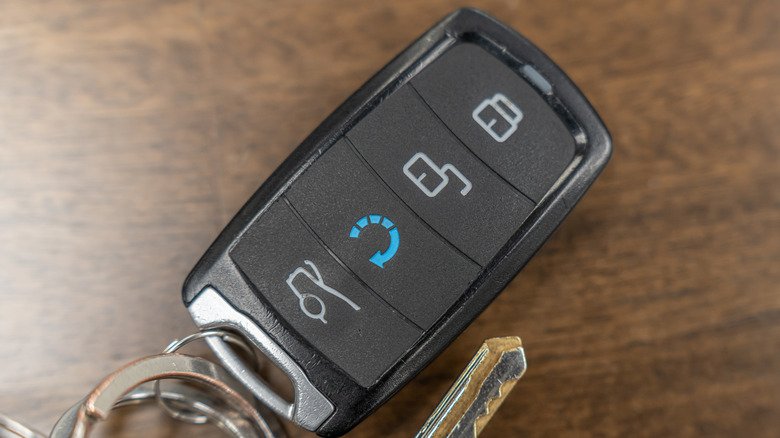
- Lock/Unlock: The fob sends a command to engage or disengage the door locks.
- Trunk Release: Some remotes include a button to open the trunk or hatchback remotely.
- Panic Alarm: Activating this feature causes the car’s horn and lights to flash, helping you locate your vehicle or deter potential thieves.
- Remote Start: In vehicles equipped with this feature, the fob can start the engine from a distance, allowing the car to warm up or cool down before you get in.
The communication between the fob and the car is typically limited to a range of 5 to 20 meters, depending on the environment and battery strength. Interference from other electronic devices or physical barriers can sometimes affect performance.
Types of Car Remotes and Keyless Entry Systems
Not all key fobs are created equal. Over the years, manufacturers have developed several types of remotes and entry systems, each with its own features and security protocols. Some common varieties include:
- Basic Remote Key: Offers simple lock/unlock and sometimes trunk release functions.
- Transponder Key: Contains a chip that communicates with the car’s immobilizer system, preventing the engine from starting without the correct key.
- Smart Key: Enables push-button start and passive entry, often found in newer vehicles.
- Switchblade Key: Combines a mechanical key with a folding remote for compact storage.
Each system is designed to balance convenience with security, and the technology continues to evolve as carmakers introduce new features and protections.

Troubleshooting Common Key Fob Problems
Even the most reliable key fobs can experience issues. Here are some typical problems and solutions:
- Dead Battery: The most common issue. Replacing the battery usually restores function.
- Signal Interference: Electronic devices, metal objects, or even nearby radio towers can disrupt communication. Try moving to a different location or removing obstructions.
- Desynchronization: Occasionally, the fob and car may lose sync. Consult your owner’s manual for instructions on reprogramming.
- Physical Damage: Dropping or exposing the fob to moisture can damage internal components. In such cases, a replacement may be necessary.
If you’re unable to resolve the issue, contacting a professional locksmith or your vehicle’s dealership is often the best course of action.
Maintaining and Replacing Your Car Remote
To keep your key fob working reliably, consider these maintenance tips:
- Replace the battery every 1–2 years or when you notice reduced range.
- Avoid exposing the remote to water or extreme temperatures.
- Store the fob in a safe place when not in use to prevent accidental damage.
- If your fob is lost or stolen, have your vehicle’s system reprogrammed to prevent unauthorized access.
Replacement remotes can often be purchased from dealerships, locksmiths, or reputable online retailers. Some vehicles require special programming tools, so professional assistance may be necessary for setup.
Frequently Asked Questions
Can I program a new key fob myself?
Some vehicles allow owners to program a new remote using a sequence of steps outlined in the owner’s manual. However, many modern cars require specialized equipment or dealer access to pair a new fob with the vehicle’s security system.
What should I do if my key fob stops working?
First, replace the battery and check for any visible damage. If the issue persists, try reprogramming the fob or consult a locksmith or dealership for further assistance.
Is it possible for someone to hack my car remote?
While advanced encryption makes it difficult, no system is completely immune. Thieves have developed methods like relay attacks to capture and relay signals from smart keys. Using a signal-blocking pouch or storing your fob away from entry points can help reduce risk.