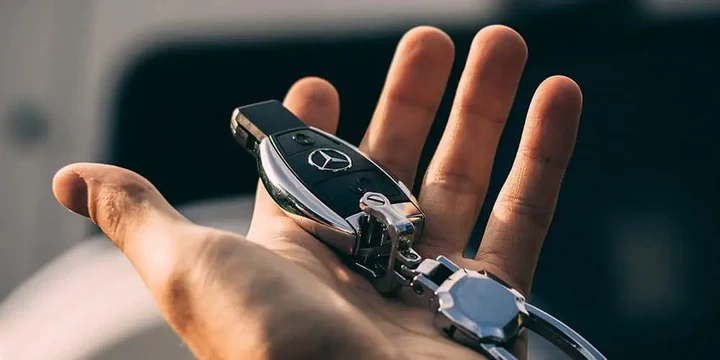
Modern vehicles rely on advanced technology for security and convenience, and one of the most critical components is the small electronic chip inside your key fob. Understanding how chips inside key fobs work can help you appreciate the seamless experience of unlocking, starting, and securing your car with just a button press or a touch. These chips are responsible for secure communication between your key and your vehicle, preventing unauthorized access and enabling features like remote start and keyless entry.
In this article, we’ll break down the technology behind these chips, explain the different types of systems used, and address common questions about their operation and security. If you’re curious about the science that keeps your car safe and easy to use, read on for a practical guide to automotive key fob chips.
For those interested in the technical side of car keys, you might also want to explore what frequency do key fobs use to understand how wireless signals play a role in this process.
What Are Key Fob Chips and Why Are They Important?
At the heart of every modern key fob is a tiny microchip, often referred to as a transponder or RFID chip. These chips are designed to communicate securely with your vehicle’s onboard computer. When you press a button on your fob or bring it close to your car, the chip sends a unique, encrypted signal that the vehicle recognizes. This process ensures that only authorized keys can unlock or start the car, providing a critical layer of security.
Key fob chips have evolved over the years, moving from simple radio transmitters to sophisticated microprocessors capable of handling complex encryption. Their importance can’t be overstated—they not only make your daily routine more convenient but also protect your vehicle from theft.
How Do Key Fob Chips Communicate With Your Car?
The communication between a key fob and a vehicle is based on wireless signals, typically using radio frequency identification (RFID) or other short-range radio technologies. When you approach your car or press a button, the chip inside the fob emits a coded signal. The car’s receiver listens for this signal and, if it matches the expected code, performs the requested action—such as unlocking the doors or starting the engine.
In many cases, this process uses a technique called “rolling code” or “hopping code,” where the code changes every time the fob is used. This makes it extremely difficult for thieves to intercept and reuse the signal. For a deeper dive into the wireless technology behind this process, check out our guide on does a key fob use bluetooth.
Types of Key Fob Chips and Their Functions
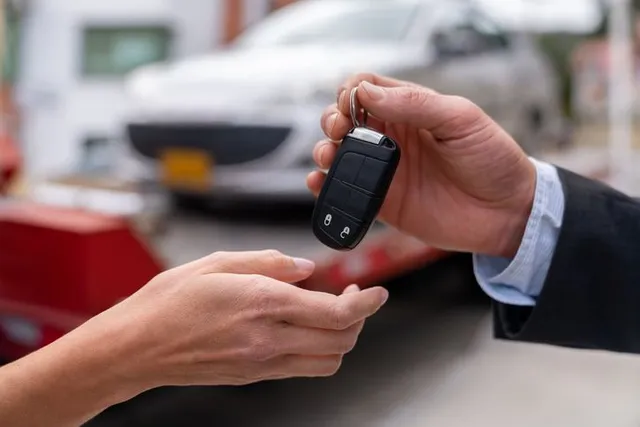
Not all key fob chips are created equal. Depending on your vehicle’s make and model, you may encounter different types of chips and systems:
- Transponder Chips: These are commonly embedded in the plastic head of traditional keys or inside fobs. They communicate with the car’s immobilizer system to allow engine start.
- Remote Keyless Entry (RKE) Chips: These chips enable remote locking and unlocking of doors, often with additional buttons for trunk release or panic alarms.
- Smart Key Chips: Found in proximity-based systems, these chips allow for passive entry and push-button start without removing the fob from your pocket or bag.
Each type of chip serves a specific purpose, but all rely on secure, wireless communication to interact with your vehicle. If you’re curious about the differences between these systems, our article on key fob vs smart key covers this topic in detail.
How Security Is Maintained in Key Fob Chips
Security is a top priority in the design of automotive key fob chips. Manufacturers use several methods to prevent unauthorized access:
- Encryption: Signals sent between the fob and the vehicle are encrypted, making it difficult for hackers to decode or replicate them.
- Rolling Codes: Each time the fob is used, a new code is generated, preventing replay attacks.
- Physical Pairing: Many vehicles require the fob to be physically paired with the car’s computer, adding another layer of protection.
These features make it extremely challenging for thieves to bypass the system. However, it’s still important to be aware of potential vulnerabilities, such as relay attacks, and to take precautions like storing your key fob in a signal-blocking pouch when not in use.
Common Issues With Key Fob Chips and Troubleshooting Tips
While key fob chips are generally reliable, problems can occur. Some common issues include:
- Dead Battery: If your fob stops working, the most likely cause is a depleted battery. Learn more about this in our guide on do key fobs use batteries.
- Signal Interference: Nearby electronic devices or strong radio signals can disrupt communication between the fob and your car.
- Damaged Chip: Physical damage or exposure to moisture can render the chip inoperable, requiring repair or replacement.
- De-Synchronization: Occasionally, the rolling code system can become out of sync, especially if buttons are pressed out of range. In such cases, reprogramming may be necessary.
If you experience persistent problems, it’s best to consult a professional locksmith or your vehicle’s dealership for diagnosis and repair.
How to Replace or Program a Key Fob Chip
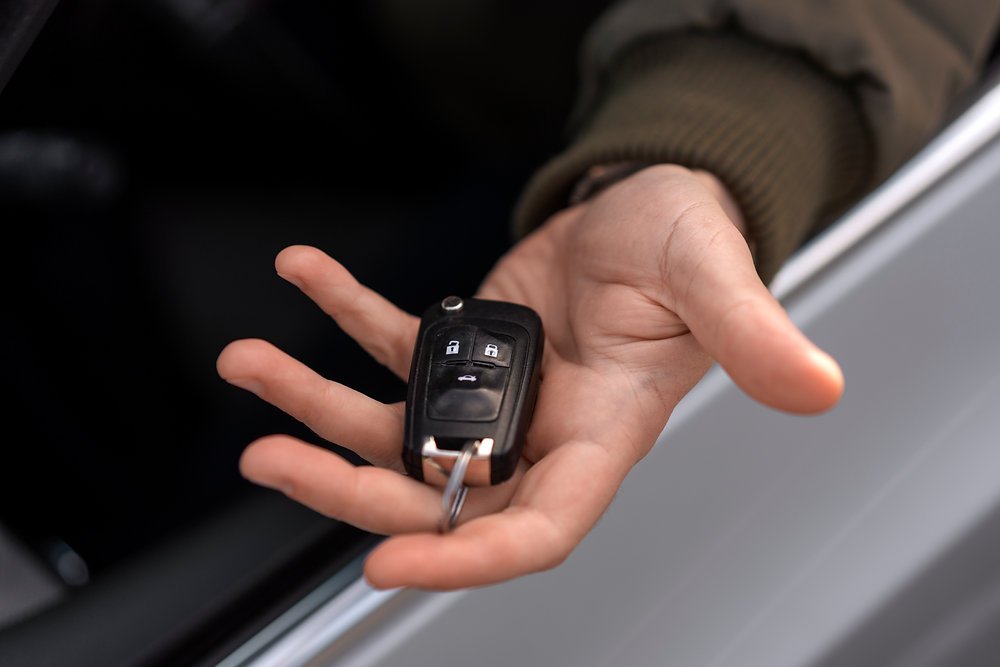
If your key fob chip is lost or damaged, replacing or reprogramming it typically requires specialized equipment. Most modern vehicles require the new chip to be paired with the car’s computer, a process that often involves both the vehicle and the original key (if available). While some basic programming can be done at home for older models, newer cars usually require a visit to a dealership or a certified locksmith.
For more information on the different types of car keys and their features, you can read this comprehensive overview of car key types.
FAQ: Key Fob Chips and Vehicle Security
Can a Key Fob Chip Be Hacked?
While modern key fob chips use strong encryption and rolling codes to protect against hacking, no system is completely immune. Some sophisticated attacks, such as relay attacks, can capture and relay the signal between your fob and car. Using a signal-blocking pouch and staying aware of your surroundings can help reduce risk.
What Should I Do If My Key Fob Stops Working?
The first step is to check and replace the battery. If the problem persists, inspect the fob for physical damage or signs of water exposure. If these steps don’t resolve the issue, seek help from a locksmith or your dealership to diagnose and repair or replace the chip.
Is It Possible to Start My Car Without a Working Key Fob Chip?
For most modern vehicles, the answer is no. The immobilizer system requires a valid chip signal to allow the engine to start. If your chip is lost or damaged, you’ll need a replacement or a reprogrammed fob to regain access and start your vehicle.
How Long Do Key Fob Chips Last?
The chips themselves are designed to last many years, often outliving the battery. However, physical damage or exposure to moisture can shorten their lifespan. Regularly checking your fob and replacing the battery as needed can help ensure reliable operation.
Conclusion
The technology behind automotive key fobs is both fascinating and essential for modern vehicle security and convenience. By understanding how chips inside key fobs work, you can better appreciate the seamless experience they provide and take steps to protect your vehicle from potential threats. Whether you’re troubleshooting a malfunctioning fob or simply curious about the technology in your pocket, staying informed is the key to making the most of your car’s features.