Vehicle security has evolved rapidly over the past few decades, with electronic systems now playing a crucial role in protecting cars from unauthorized access. Among these advancements, car key immobilizers stand out as one of the most effective deterrents against theft. Understanding how car key immobilizers work can help drivers appreciate the technology safeguarding their vehicles and make informed decisions about security features when purchasing or maintaining a car.
In this article, we’ll break down the technology behind immobilizer systems, explain their main components, and discuss their effectiveness against modern car theft techniques. If you’re interested in related topics, such as what frequency do key fobs use or how push-to-start systems function, you’ll find helpful resources linked throughout this guide.
The Basics of Car Immobilizer Technology
At its core, an immobilizer is an electronic security device that prevents a vehicle’s engine from starting unless the correct key or token is present. This system was introduced to combat the rise in car thefts that exploited traditional mechanical keys, which could be easily duplicated or bypassed.
Immobilizers are now standard in most modern vehicles. They work by creating a secure communication link between the car’s ignition system and a transponder chip embedded in the key or fob. If the system does not detect the correct digital code, it disables critical engine components such as the fuel pump or ignition circuit, rendering the car inoperable.
Key Components of an Immobilizer System
To understand how these systems function, let’s look at their main components:
- Transponder Chip: This small microchip is embedded inside the car key or key fob. It stores a unique digital code that is transmitted to the vehicle when the key is inserted or brought near the ignition.
- Immobilizer Control Unit: Located within the vehicle, this electronic module receives the code from the transponder and verifies its authenticity.
- Engine Control Unit (ECU): The ECU manages engine operations. If the immobilizer unit confirms the code, it allows the ECU to start the engine. If not, it blocks engine functions.
- Communication Antenna: Usually positioned around the ignition barrel or inside the push-to-start button, this antenna reads the transponder’s signal.
How Car Key Immobilizers Prevent Unauthorized Access
The security offered by immobilizers lies in their ability to authenticate the key before enabling the engine. Here’s a step-by-step overview of the process:
- When the driver inserts the key or brings a smart fob near the ignition, the car’s antenna energizes the transponder chip.
- The chip sends its unique code to the immobilizer control unit.
- The control unit checks the code against its database. If it matches, the immobilizer signals the ECU to allow engine start.
- If the code is missing or incorrect, the immobilizer keeps the engine disabled, preventing theft.
Types of Immobilizer Keys and Fobs
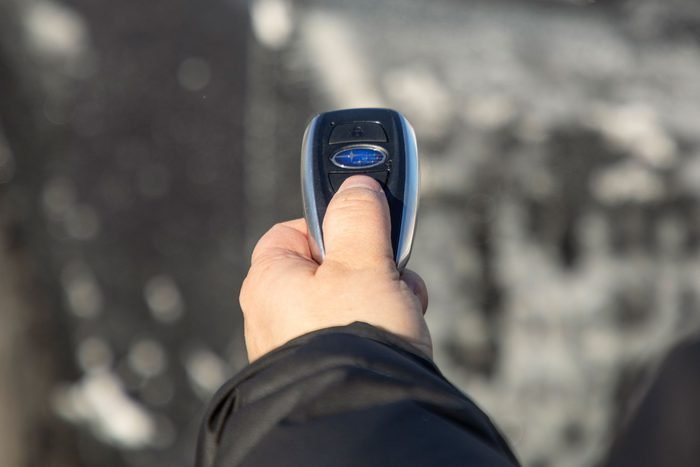
Immobilizer systems are compatible with several types of keys and fobs. Traditional keys with embedded transponders were the first to use this technology. Today, many vehicles use remote key fobs or smart keys that communicate wirelessly with the car.
For a deeper dive into the differences between key fobs and smart keys, see key fob vs smart key. Additionally, if you’re curious about the power sources that keep these devices running, check out do key fobs use batteries.
Common Immobilizer Issues and Troubleshooting
While immobilizers are highly effective, they can sometimes cause headaches for owners. Common issues include:
- Key Not Detected: The car may fail to recognize the key due to a damaged transponder, dead battery in the fob, or interference.
- Faulty Antenna or Wiring: Problems with the antenna coil or wiring can prevent the immobilizer from reading the key.
- ECU or Immobilizer Malfunction: Rarely, electronic faults in the control units can disrupt the system.
If you experience issues, try replacing the key fob battery or using a spare key. For persistent problems, professional diagnostics from a qualified locksmith or dealership are recommended.
Effectiveness of Immobilizers Against Modern Theft Techniques
Immobilizer systems have significantly reduced vehicle theft rates worldwide. According to industry studies, cars equipped with electronic immobilizers are far less likely to be stolen compared to those with only mechanical locks.
However, thieves have developed new methods, such as relay attacks and key cloning, to bypass some systems. These techniques often target vehicles with keyless entry and start. To stay ahead, manufacturers continually update immobilizer technology, incorporating rolling codes and advanced encryption.
For more on how these systems compare to other security features, and to understand the technology behind keyless entry, see what is a push to start system.
Enhancing Your Vehicle’s Security
While immobilizers offer robust protection, combining them with additional security measures can further reduce the risk of theft. Consider the following tips:
- Park in well-lit, secure areas whenever possible.
- Install visible deterrents such as steering wheel locks.
- Keep your key fob in a signal-blocking pouch to prevent relay attacks.
- Regularly update your car’s software if applicable.
- Consult a professional locksmith for advice on advanced security upgrades.
For a comprehensive overview of car keys and their security features, visit this definitive guide to car keys.
Frequently Asked Questions
Can an Immobilizer Be Bypassed by Thieves?
While immobilizers are highly effective, no system is completely foolproof. Some sophisticated thieves use electronic devices to intercept or clone key signals, especially in vehicles with older or less advanced immobilizer technology. Regularly updating your car’s security and combining immobilizers with other deterrents can minimize this risk.
What Should I Do If My Car Doesn’t Recognize My Key?
First, check if the key fob battery needs replacement. If that doesn’t solve the issue, try using a spare key. Persistent problems may indicate a fault with the immobilizer system or antenna, requiring professional diagnostics from a locksmith or dealership.
Are All Modern Cars Equipped with Immobilizers?
Most vehicles manufactured after the late 1990s come standard with immobilizer systems. However, the level of sophistication and integration with other security features can vary. Always check your vehicle’s manual or consult the manufacturer for details about your car’s security technology.
Do Immobilizer Systems Require Maintenance?
Immobilizers are generally maintenance-free, but it’s important to keep your keys and fobs in good condition. Replace batteries as needed and avoid exposing electronic keys to moisture or physical damage. If you notice any issues, address them promptly to avoid being locked out of your vehicle.
Conclusion
Understanding the principles behind immobilizer technology helps drivers appreciate the security protecting their vehicles. By combining electronic authentication with robust engine control, these systems have become a cornerstone of modern automotive safety. Staying informed about how these systems function—and how to supplement them—ensures your vehicle remains as secure as possible in an ever-evolving landscape of car theft techniques.