


The history of key fobs traces a fascinating journey from simple mechanical keys to the sophisticated electronic devices drivers use today. Over the decades, vehicle access technology has evolved rapidly, driven by the need for greater security, convenience, and user experience. Understanding how these compact devices transformed the way we interact with our cars offers valuable insight into both automotive innovation and the future of personal security.
From the earliest days of car ownership, securing and unlocking vehicles has been a central concern. Mechanical keys once dominated, but as theft methods advanced and consumer expectations changed, manufacturers responded with new solutions. Today, keyless entry systems and smart fobs are standard on most modern vehicles, reflecting decades of technological progress.
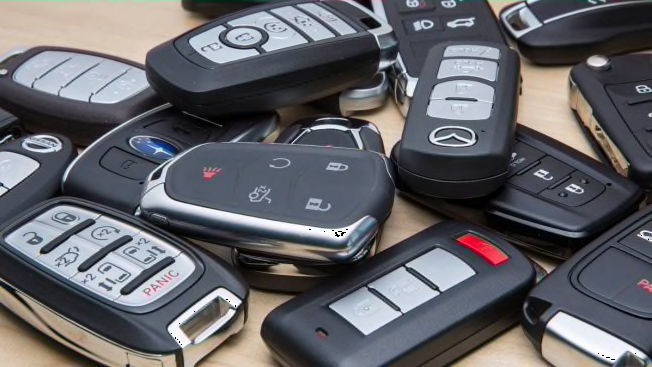
For those interested in a deeper dive into the technology behind these devices, our what is a key fob resource provides a comprehensive overview of their functions and features.
The Early Days: Mechanical Keys and the Birth of Remote Entry
Before the arrival of electronic solutions, car owners relied solely on traditional metal keys. These early keys were simple, cut to match the unique tumblers inside a vehicle’s lock cylinder. While effective for basic security, mechanical keys were vulnerable to picking, duplication, and forced entry.
The 1980s marked a turning point in the history of key fobs with the introduction of remote keyless entry (RKE) systems. Early RKE devices used infrared signals to lock and unlock doors from a short distance. Although primitive compared to today’s standards, this innovation laid the groundwork for the wireless convenience drivers now expect.
As technology advanced, manufacturers shifted from infrared to radio frequency (RF) communication. This change improved reliability and range, making it possible to unlock a vehicle from across a parking lot. The convenience and added security of these early fobs quickly made them a popular feature in new vehicles.
Advancements in Security: Transponders and Rolling Codes
As car theft methods became more sophisticated, automakers responded by integrating electronic chips into key fobs. The 1990s saw the widespread adoption of transponder keys, which contain a small chip programmed with a unique code. When inserted into the ignition, the car’s onboard computer verifies the code before allowing the engine to start.
This technology dramatically reduced the risk of hot-wiring and unauthorized duplication. However, as criminals developed ways to intercept and clone signals, manufacturers introduced rolling code systems. These systems generate a new code each time the fob is used, making it nearly impossible for thieves to reuse intercepted signals.
For a detailed explanation of how these devices communicate with vehicles, see our article on how does a key fob work.
Modern Innovations: Smart Keys and Passive Entry Systems
The 21st century ushered in a new era of convenience with the rise of smart keys and passive entry systems. Unlike earlier fobs that required button presses, these advanced devices allow drivers to unlock and start their vehicles simply by having the fob nearby. Using low-frequency antennas and encrypted signals, the car detects the presence of the authorized device and grants access automatically.
Push-button start, hands-free trunk release, and personalized vehicle settings are now common features enabled by modern fobs. Some luxury brands have even introduced smartphone-based access, allowing drivers to use their mobile devices as digital keys.

The move toward keyless and digital entry has also raised new security challenges. Relay attacks, where criminals amplify the fob’s signal to unlock and start a car remotely, have prompted manufacturers to develop additional safeguards such as motion sensors and signal-blocking pouches.
Types of Key Fobs and Their Role in Vehicle Security
Today’s market offers a variety of key fob designs, each tailored to different security and convenience needs. Some vehicles still use traditional remote fobs with physical keys, while others rely entirely on proximity-based smart devices. For a breakdown of the different styles and their features, our types of car key fobs guide explores the options available to drivers.
The evolution of these devices reflects a constant balancing act between user convenience and robust protection. As technology continues to advance, we can expect future access systems to become even more integrated with digital platforms and biometric authentication.
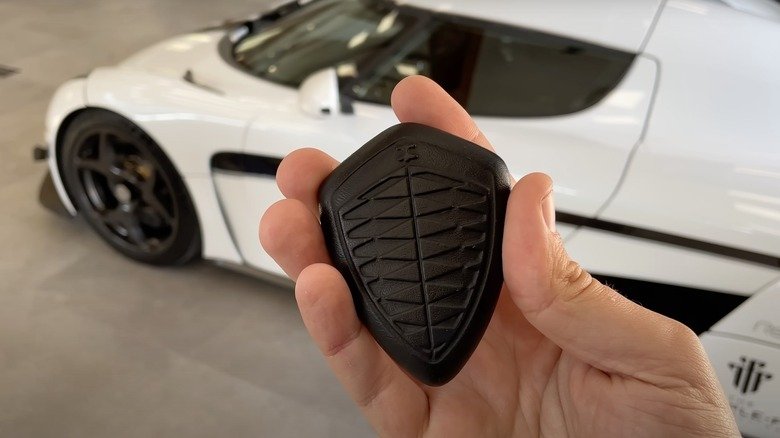
Comparing Key Fobs and Transponders
While often used interchangeably, key fobs and transponders serve distinct roles in vehicle access. Transponders are typically embedded in the key itself and communicate with the ignition system, while fobs may offer remote locking, unlocking, and other features. Understanding the difference between key fob and transponder is essential for drivers seeking the right balance of convenience and security.
As manufacturers continue to innovate, the line between these technologies is blurring, with many modern devices combining multiple functions into a single compact unit.
Key Fobs in Everyday Life: Durability and Practical Concerns
Beyond security and convenience, practical considerations such as durability and water resistance have become increasingly important. Many drivers wonder, are key fobs waterproof? While some models offer limited protection against moisture, most are not fully waterproof and should be handled with care.
Battery life, replacement costs, and compatibility with aftermarket systems are additional factors that influence the ownership experience. Regular maintenance and prompt attention to malfunctioning devices can help prevent lockouts and ensure reliable access.
Looking Ahead: The Future of Vehicle Access Technology
The evolution of key fobs is far from over. As vehicles become more connected and autonomous, access systems are likely to incorporate biometric authentication, encrypted wireless protocols, and integration with smart home ecosystems. Manufacturers are also exploring ways to enhance user privacy and protect against emerging threats.
For a broader perspective on how car keys have changed over time, this overview of car key types highlights the major milestones in automotive security.
Frequently Asked Questions
When did remote keyless entry systems first appear in vehicles?
Remote keyless entry systems began appearing in vehicles in the early 1980s. Initially, these systems used infrared technology and were limited to luxury models, but they quickly became standard across many brands as technology improved.
How do modern key fobs prevent car theft?
Modern key fobs use encrypted signals, rolling codes, and transponder chips to communicate securely with the vehicle. These features make it extremely difficult for thieves to duplicate or intercept the access codes, significantly reducing the risk of unauthorized entry.
Can a smartphone replace a traditional key fob?
Some automakers now offer digital key solutions that allow drivers to use their smartphones to unlock and start their vehicles. These systems typically rely on secure apps and Bluetooth or NFC technology, providing similar convenience and security as physical fobs.

