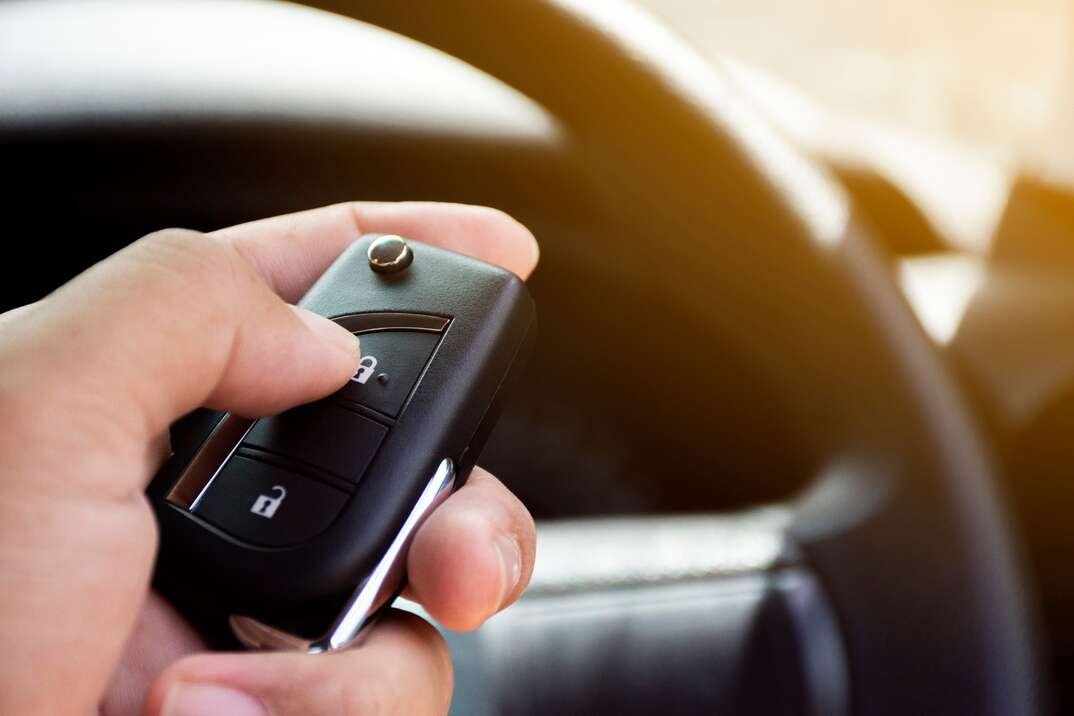
Keyless entry systems have become a standard convenience in modern vehicles, allowing drivers to unlock doors, start engines, and even open trunks with a simple press of a button. As car technology evolves, many drivers wonder about the wireless technology behind these devices—specifically, does a key fob use Bluetooth or another type of wireless communication? Understanding how these systems work can help you make informed decisions about security, compatibility, and troubleshooting.
In this article, we’ll break down the wireless technologies used in key fobs, explain the differences between Bluetooth, radio frequency (RF), and other protocols, and help you identify what your vehicle uses. We’ll also touch on the security implications and what to expect as automotive tech continues to advance. For a deeper look at the history of key fobs and how they’ve evolved, check out our dedicated guide.
Understanding the Wireless Technology in Key Fobs
When you press a button on your car’s remote, it sends a signal to your vehicle to perform an action—such as unlocking the doors or starting the engine. But what kind of signal is it? The answer depends on the make, model, and year of your vehicle.
Most traditional key fobs use radio frequency (RF) technology, typically operating at 315 MHz or 433 MHz. These signals are short-range and designed for secure, one-way communication between the fob and the car. Some newer vehicles, however, have begun to incorporate additional wireless protocols, including Bluetooth Low Energy (BLE) and Near Field Communication (NFC), especially in advanced “smart key” systems or phone-as-key features.
Does Your Key Fob Use Bluetooth or RF?
The majority of keyless entry remotes on the road today still rely on RF technology, not Bluetooth. RF key fobs are simple, reliable, and have been used for decades. When you press a button, the fob transmits a coded signal to a receiver in your vehicle. This system is fast and doesn’t require pairing or a constant connection.
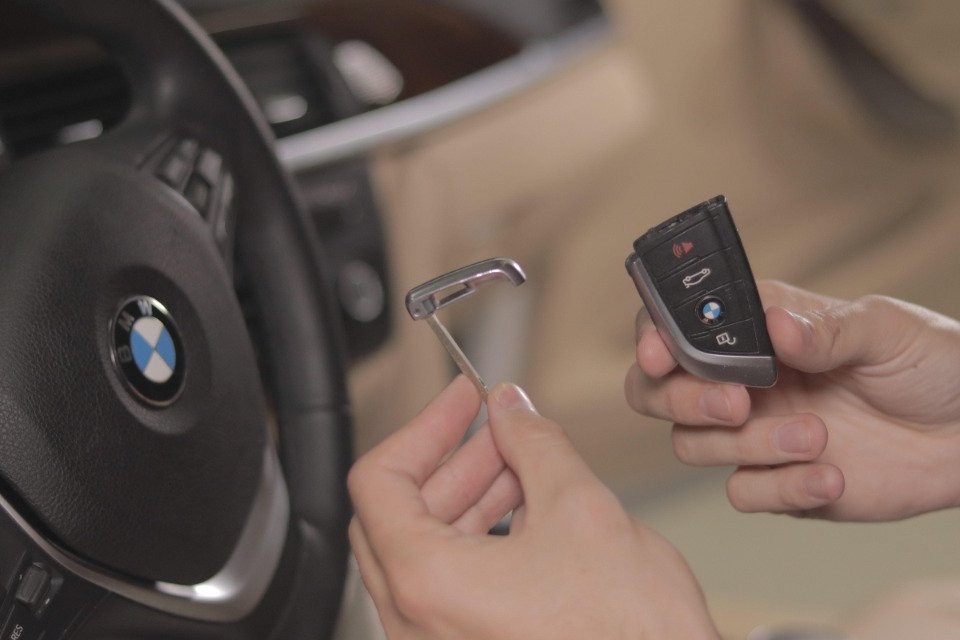
Bluetooth-enabled key fobs are less common but are starting to appear in select high-end or recent models. These systems often allow for more advanced features, such as unlocking your car as you approach, remote start from your smartphone, or even sharing digital keys with others. However, unless your vehicle specifically advertises Bluetooth key functionality, it’s likely using RF.
If you’re unsure, consult your owner’s manual or look for Bluetooth pairing instructions in your vehicle’s infotainment system. You can also check for smartphone integration features, which are a strong indicator of Bluetooth or NFC technology.
Comparing Bluetooth, RF, and NFC in Vehicle Access
To better understand the distinctions, here’s a quick comparison of the main wireless technologies used in car remotes:
| Technology | How It Works | Common Uses |
|---|---|---|
| RF (Radio Frequency) | One-way coded signal sent from fob to car receiver | Traditional keyless entry, remote start, trunk release |
| Bluetooth | Short-range wireless communication, often paired with phone | Smartphone-as-key, proximity unlocking, digital key sharing |
| NFC (Near Field Communication) | Very short-range (a few centimeters), requires close contact | Tap-to-unlock, secure digital keys, some mobile payment systems |
While Bluetooth offers greater flexibility and connectivity, RF remains the standard for most vehicles due to its simplicity and reliability. NFC is primarily used in the latest digital key systems, where you tap your phone or card near a sensor to unlock the car.
Security Considerations for Wireless Key Fobs
Security is a major concern with any wireless technology. RF key fobs use rolling codes to prevent replay attacks, but they can still be vulnerable to relay attacks if thieves use special equipment to extend the signal. Bluetooth and NFC systems often include additional encryption and authentication, but they also introduce new potential vulnerabilities if not properly implemented.
For a detailed look at modern safety features and how secure these devices are, see our article on how secure are key fobs.
How to Tell What Wireless Protocol Your Car Uses
Identifying the wireless technology in your vehicle’s remote is important for troubleshooting, replacement, or upgrading. Here are a few steps you can take:
- Check your owner’s manual for details about your key system.
- Look for Bluetooth or NFC symbols on your key fob or in your car’s infotainment settings.
- See if your car supports smartphone integration or digital key sharing.
- Contact your dealership or a professional locksmith for clarification.
If your fob only works when you press a button and doesn’t require pairing, it’s likely RF-based. If your car unlocks as you approach or you can use your phone as a key, Bluetooth or NFC may be involved.
Future Trends: Digital Keys and Smartphone Integration
The automotive industry is moving toward more advanced wireless access systems. Digital keys, which use Bluetooth, NFC, or even ultra-wideband (UWB) technology, are becoming more common in luxury and electric vehicles. These systems allow drivers to unlock, start, and share access to their cars using smartphones or smartwatches, often with enhanced security features.
As these technologies become more widespread, expect to see a gradual shift from traditional RF remotes to more connected, app-based solutions. For now, however, most vehicles on the road still use RF-based key fobs.
Common Types of Car Keys and Their Functions
There are several types of car keys in use today, each with its own features and technology. If you’re interested in learning more about the differences between traditional keys, transponder keys, smart keys, and digital keys, check out this comprehensive guide to car key types and their functions.
FAQ: Key Fob Wireless Technology
Can I Use My Smartphone as a Key Fob?
Some newer vehicles allow you to use your smartphone as a digital key, typically through Bluetooth, NFC, or a dedicated app. This feature is most common in recent luxury models and electric vehicles. Check your car’s documentation or manufacturer’s website to see if your vehicle supports this functionality.
What Should I Do If My Key Fob Stops Working?
First, try replacing the battery in your key fob. If that doesn’t resolve the issue, there could be a problem with the fob’s internal electronics or the vehicle’s receiver. In some cases, reprogramming or professional assistance may be required. For more details on troubleshooting and range issues, see our article on how far does a key fob signal reach.
Are Bluetooth Key Fobs More Secure Than RF Remotes?
Bluetooth-enabled systems often include additional security features, such as encryption and authentication, but they can also introduce new vulnerabilities if not properly implemented. Both RF and Bluetooth systems have strengths and weaknesses, so it’s important to follow best practices for key security, such as keeping your fob in a signal-blocking pouch when not in use.
As wireless technology continues to evolve, understanding the differences between RF, Bluetooth, and other protocols can help you make the most of your vehicle’s features and keep your car secure.